This post may contain affiliate links. Please see our full Disclosure Policy for details.
DIY mason jar planters are one of the simplest and most rewarding ways to bring greenery indoors or dress up outdoor spaces. They’re affordable, customizable, and perfect for beginners who want attractive plant décor without complicated tools or skills. Whether you’re growing herbs on a windowsill, creating gifts, or decorating for a season, mason jar planters offer endless creative possibilities.
Related: How to Display Plants Indoor
What Are Mason Jar Planters?
Mason jar planters are glass jars repurposed as plant containers, commonly used for:
- Indoor plants
- Herbs
- Succulents
- Flowers
- Seasonal décor
They can be clear, painted, frosted, wrapped, or hung, making them one of the most versatile DIY planters.
Best Plants for Mason Jar Planters
Not all plants thrive in the high-humidity environment of glass jars. Choose wisely for success.
Best Plants
- Herbs: basil, mint, parsley, cilantro, chives
- Succulents: echeveria, haworthia, jade
- Low-water plants: air plants (no soil)
- Small houseplants: pothos cuttings, philodendron cuttings, spider plants, lucky bamboo
Plants to Avoid
- Large plants
- Plants that require heavy watering
- Deep-rooted plants
Essential Materials
To ensure your plants thrive (and don’t just survive), you’ll need more than just a jar and some dirt.
- Glass Mason Jars: Wide-mouth jars (pint or quart size) are best for airflow.
- Drainage Layer: Small river rocks, pebbles, gravel, or expanded clay pebbles (Hydroton).
- Activated Charcoal: This is the “secret ingredient” that prevents bacteria and mold in containers without holes.
- Potting Mix: Use a high-quality organic mix. (Cactus mix for succulents, standard potting mix for herbs).
- Plants or Seeds: Herbs like basil and mint, or hardy indoor plants like Pothos.
Step-by-Step: How to Make a Mason Jar Planter
1: Create a “False Bottom”
Since glass jars don’t have drainage holes, water can pool at the bottom and cause root rot. Fill the bottom 1–2 inches of the jar with pebbles or rocks. This creates a space for excess water to sit away from the roots.
2: Add the Charcoal Filter
Sprinkle a ½-inch layer of activated charcoal over the rocks. Charcoal acts as a natural filter, absorbing impurities and preventing the “stagnant water smell” that often plagues jar gardens.
3: Layer the Soil
Add your potting mix, leaving about 1 inch of space at the top for easy watering.
4: Planting
Gently loosen the roots of your plant and place it in the center. If you are starting from seed, follow the depth instructions on the seed packet (usually twice as deep as the seed is wide).
Tips: Drainage Solutions for Mason Jar Planters
Since mason jars don’t have drainage holes, proper setup is essential. Some Drainage Options include:
- Pebble + charcoal layers
- LECA clay balls
- Self-watering inserts
- Water-conscious plant choices
Overwatering is the #1 cause of failure in mason jar planters.
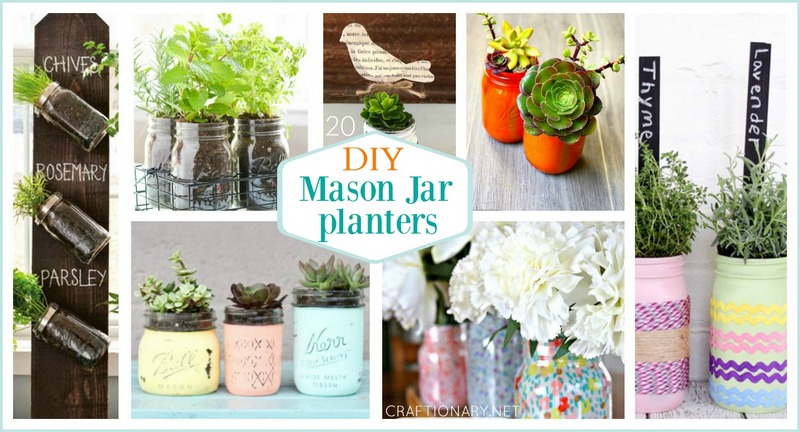
DIY Mason Jar Planter Ideas
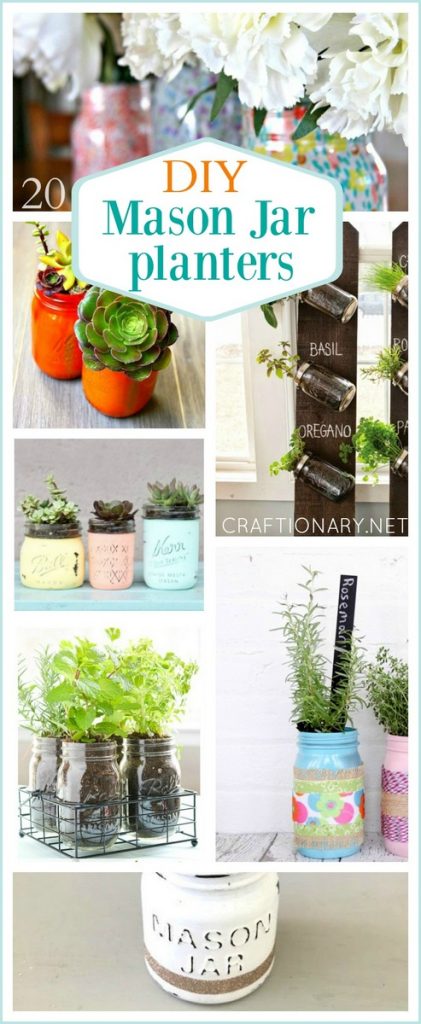
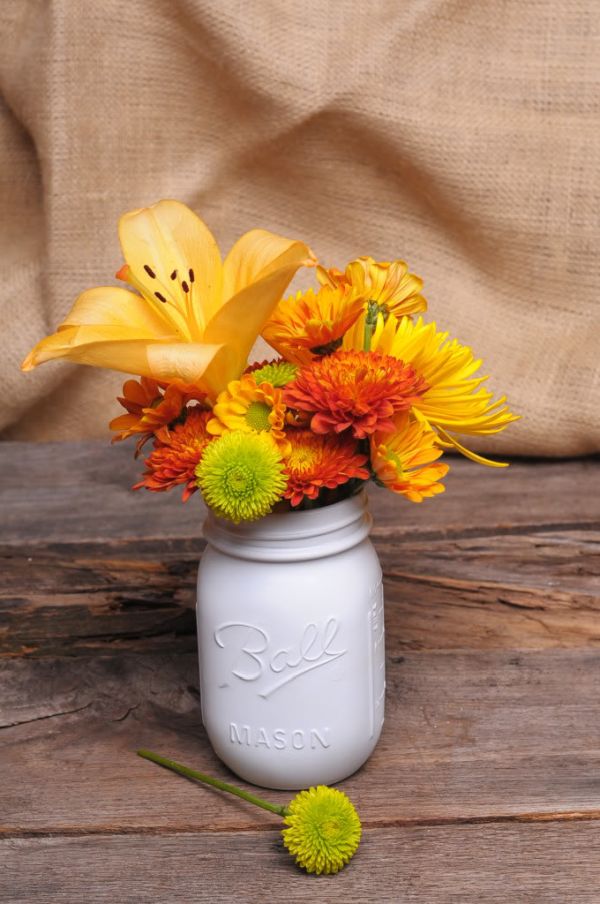
Flower Pots and Vases:
1. Simple and Colorful Mason Jar Centerpiece
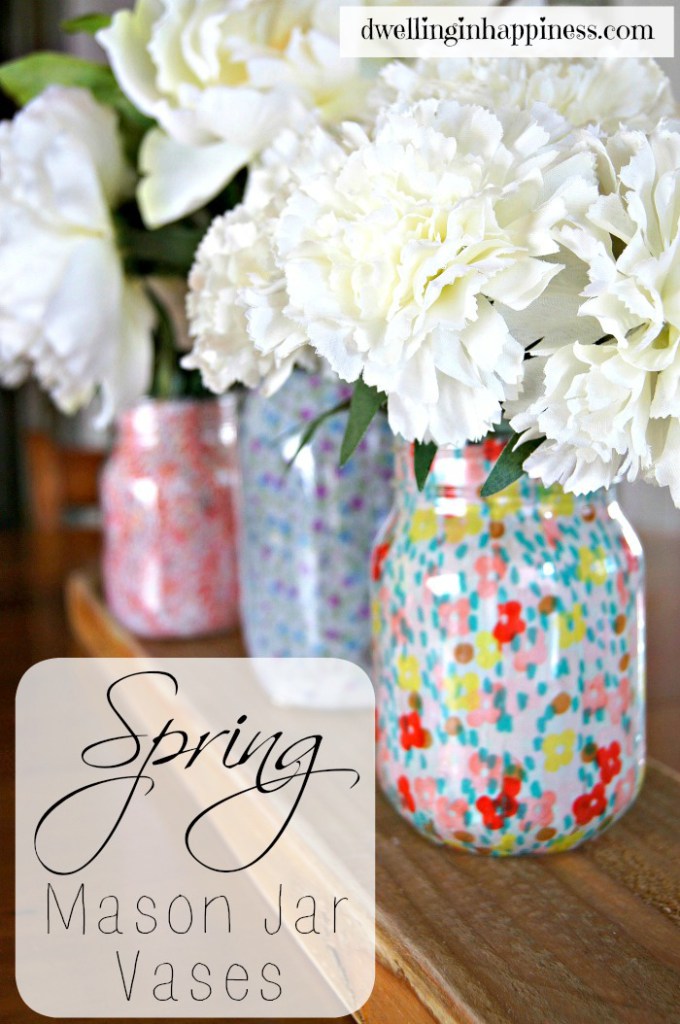
2. Spring Flower Mason Jar Vases
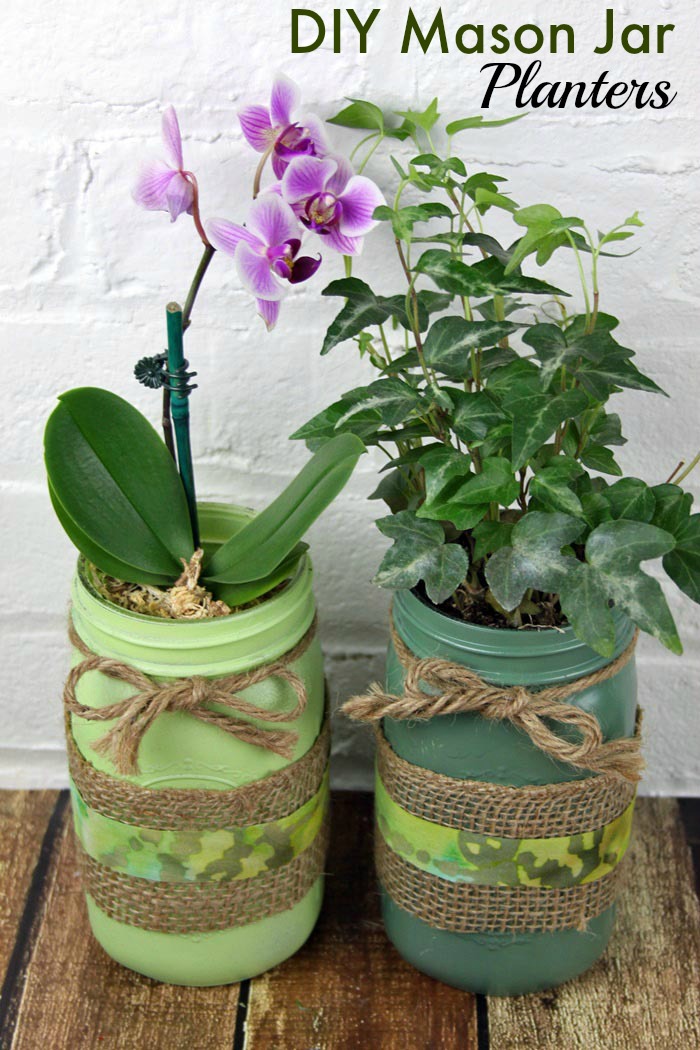
3. Green Mason Jar Orchid Planter makes good teacher appreciation, wedding and housewarming gift.
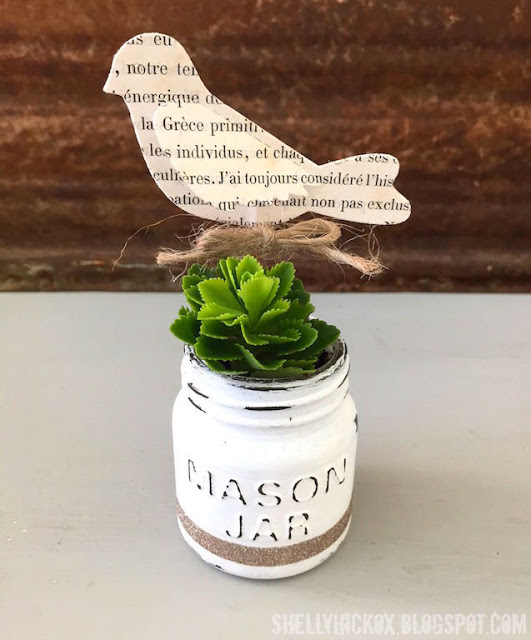
4. Deco Art Chalk Paint Mini Mason Jar Starter Kit
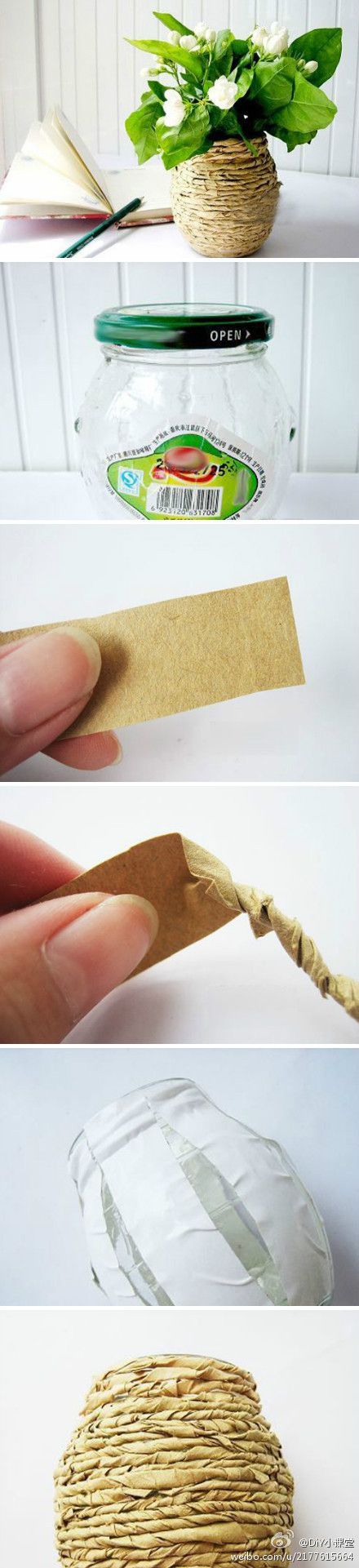
5. DIY Paper Decorated Flower Vase
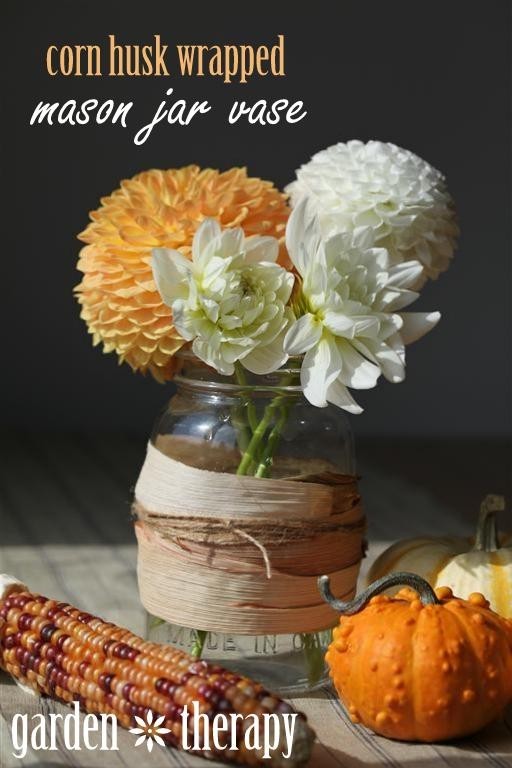
6. Mason Jar Wrapped with corn husk
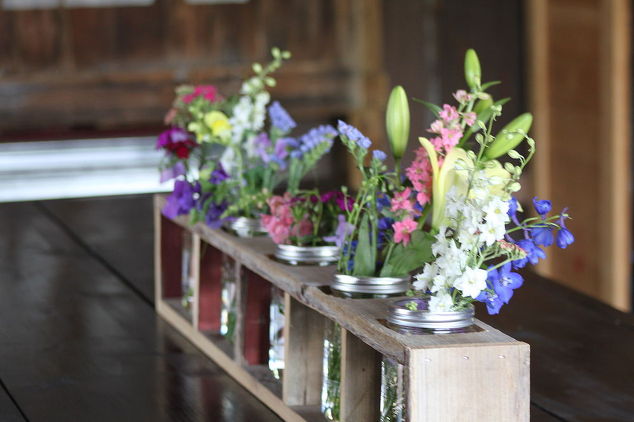
7. Creating a Mason Jar Center Piece from Old Barn Wood or Pallets
Mason Jar Succulent Planters
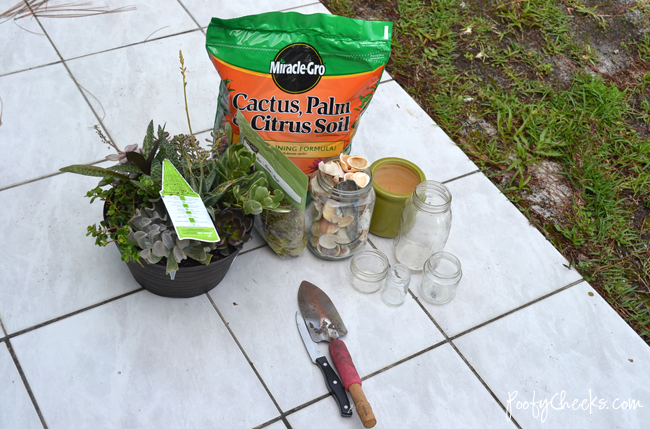
8. Sea Shell Succulent Desk Jars
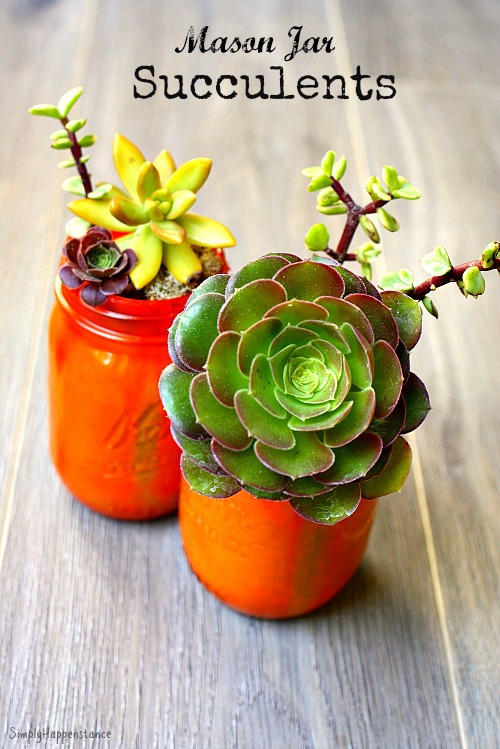
9. Shelf-style Succulent jars
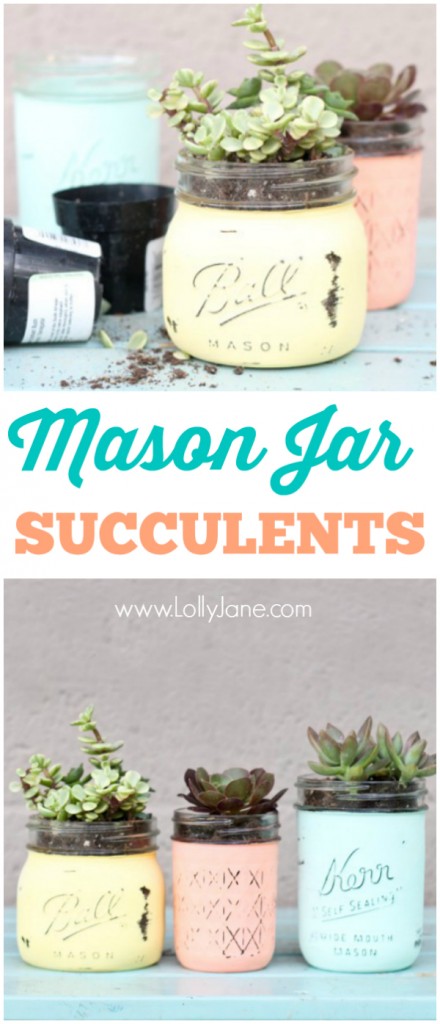
10. Painted mason jar planter Gift Idea
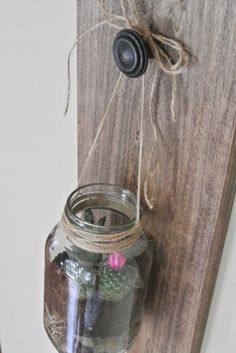
11. Succulent Mason Jar Terrarium
Mason Jar Herb Gardens
12. Patio lantern planters with wire wrapped hanging
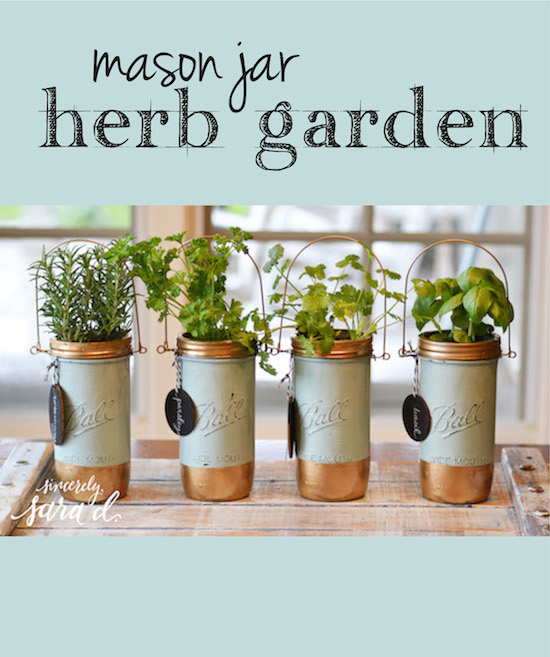
13. DIY Mason Jar Vertical Herb Garden with clasps and wood plank
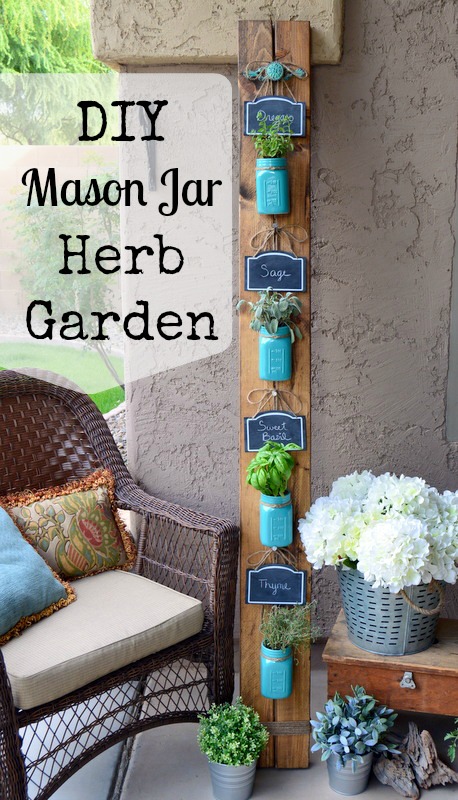
14. DIY Kitchen Vertical Herb Station with fairy lights
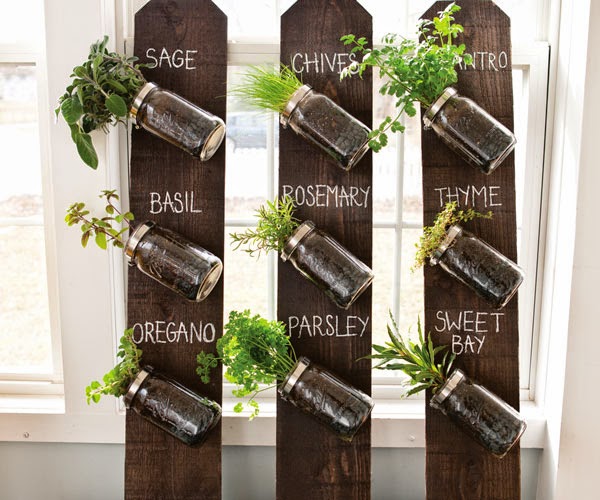
15. DIY planter with Chalkboard Garden Marker
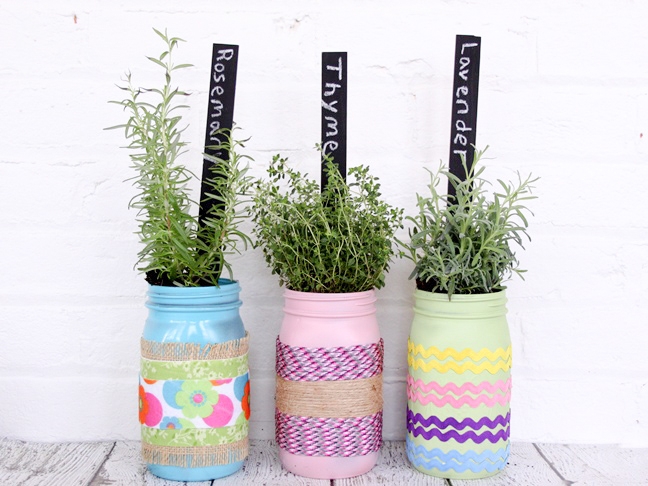
16. Self watering planters from mason jar
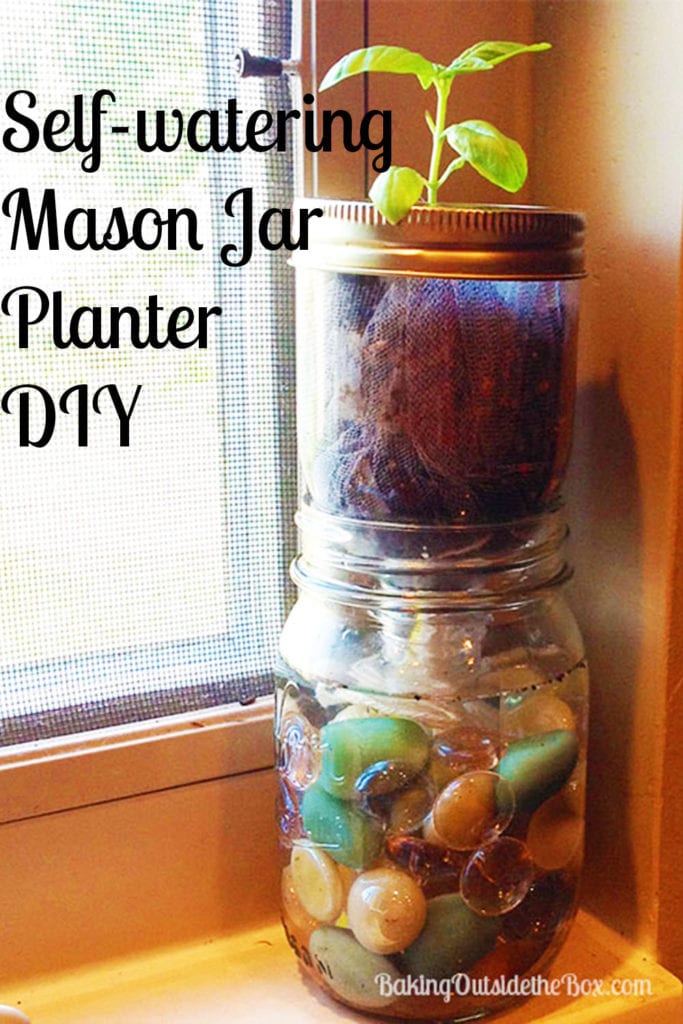
17. Mason Jar herb garden plant gift idea
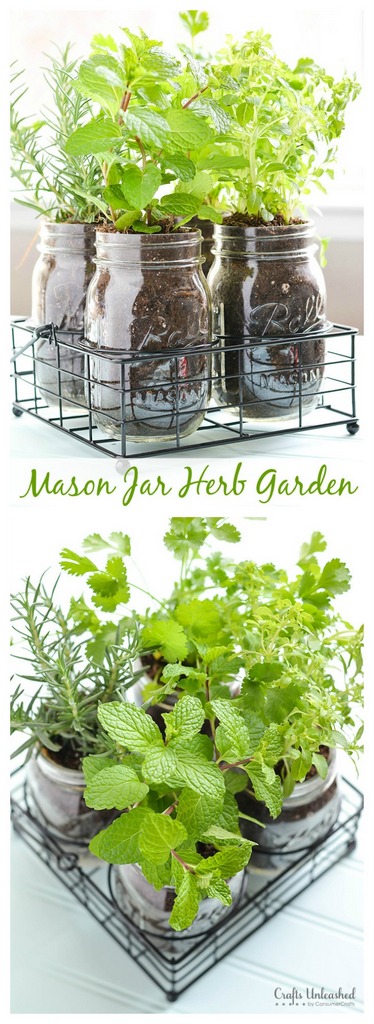
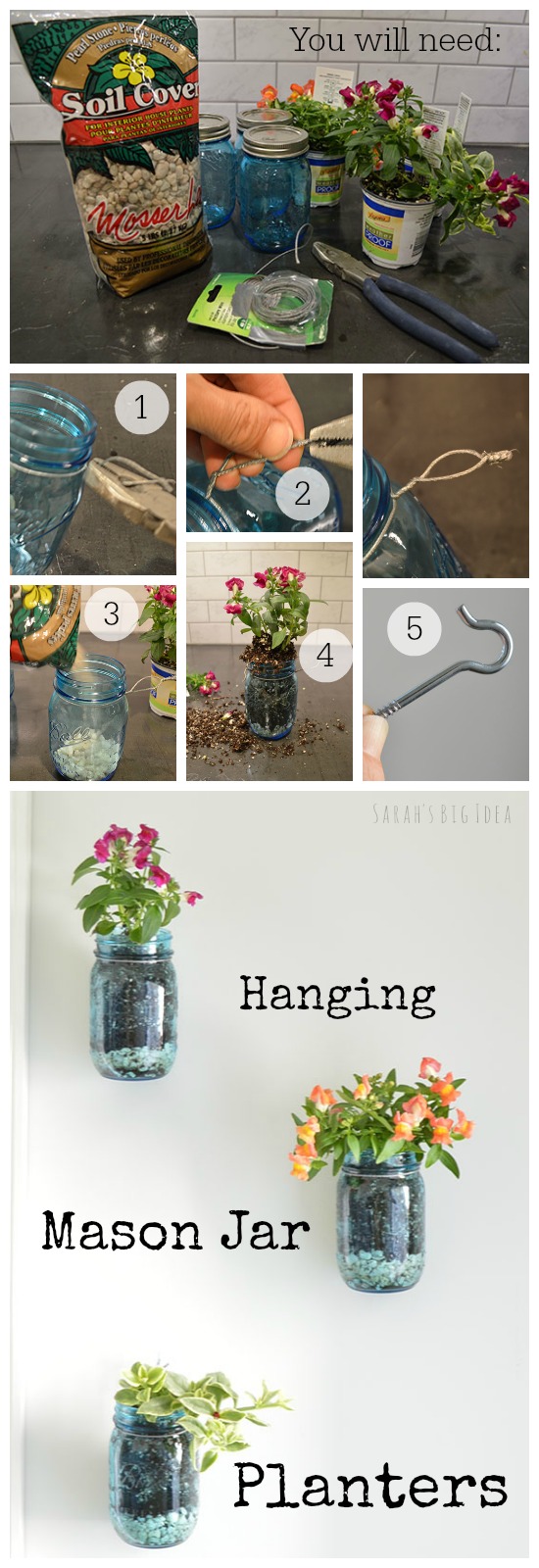
Mason Jar Hanging Planters
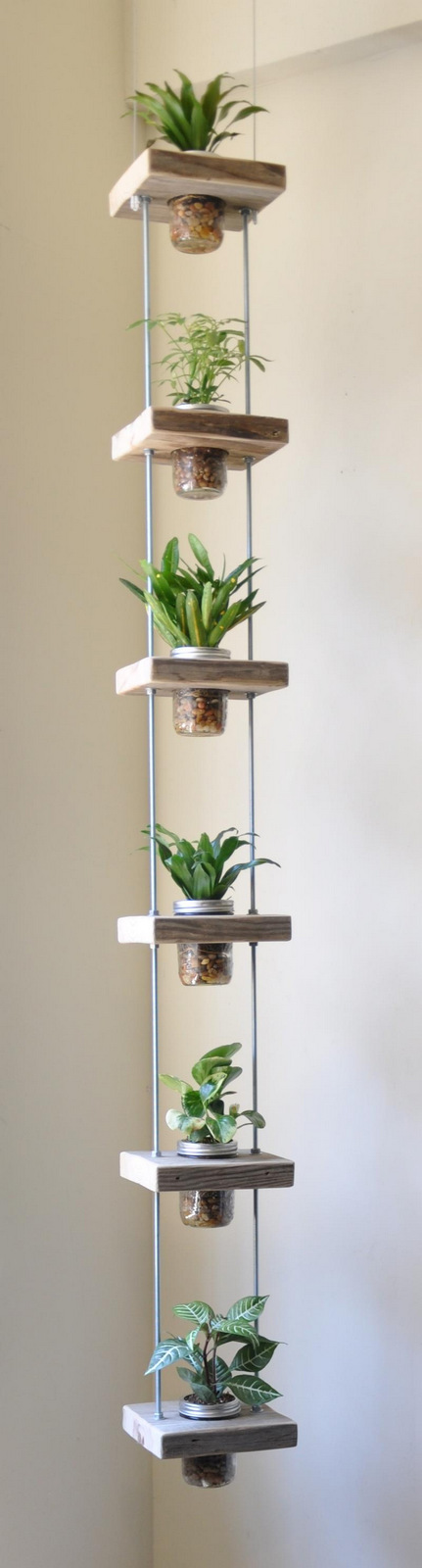
19. Hanging Jar Display
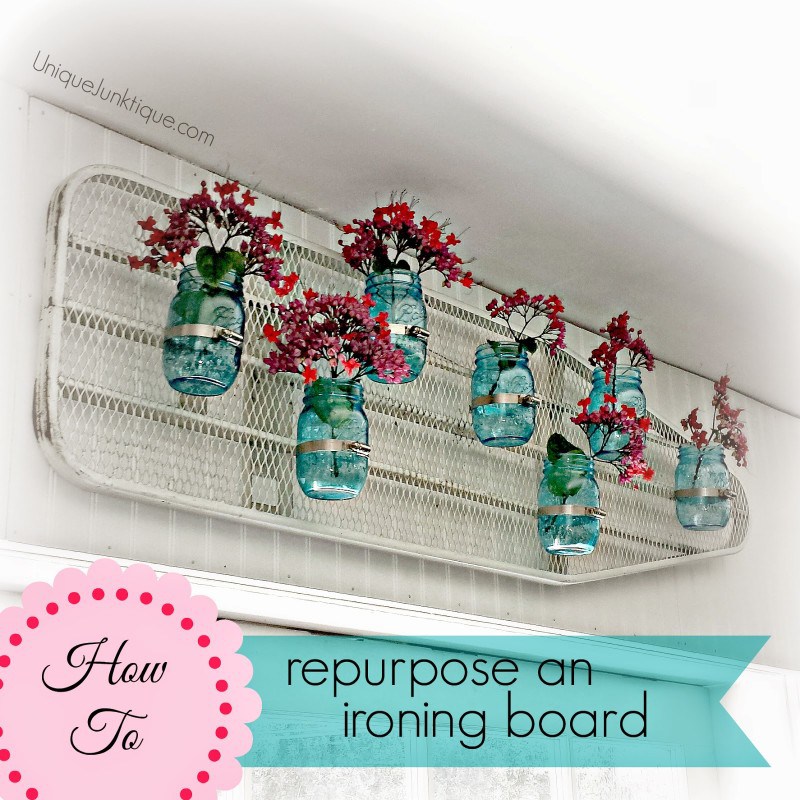
20. How to Repurpose and Ironing Board
How to Care for Mason Jar Planters</h2>
1. Watering
- Water sparingly
- Check soil moisture before watering
- Succulents need very little water
2. Light
- Bright indirect light for most plants
- Avoid harsh direct sun on glass (can overheat roots)
3. Maintenance
- Trim herbs regularly
- Remove yellow leaves
- Refresh soil every few months
Common Questions (FAQs)
1. How do you prevent root rot in a jar?
The combination of the drainage layer (rocks) and activated charcoal is your best defense. Additionally, never overwater. Wait until the top inch of soil is dry before adding more water.
2. Can you drill holes in the glass?
Yes! If you want “true” drainage, you can use a diamond-tipped drill bit and a little water to keep the glass cool while drilling. This is the safest way to ensure your plants don’t get “wet feet.”
3. Do mason jar planters need a lot of sun?
Most herbs need at least 6 hours of sunlight. If your jars are in a dark kitchen, consider using a small LED grow light to keep them from becoming “leggy”.
DIY mason jar planters are a beautiful blend of function, sustainability, and creativity. With the right plants, proper setup, and simple care, they can thrive for months—or even years—while adding charm to any space.
Whether you’re decorating your home, growing herbs, or making heartfelt gifts, mason jar planters are a timeless DIY worth trying.