This post may contain affiliate links. Please see our full Disclosure Policy for details.
The kitchen is the heart of the home—but also the place most prone to mess, bacteria, and lingering odors. A clean kitchen isn’t just about appearances; it’s essential for food safety, hygiene, and stress-free cooking. From greasy stove burners to smelly food jars, every surface presents a unique cleaning challenge. The good news? With a mix of smart hacks and homemade cleaning solutions, you can tackle tough messes without harsh chemicals or endless scrubbing.
Find 20 expert-level kitchen cleaning tips and hacks, covering everything from everyday maintenance to deep-cleaning problem areas. We’ll answer the most common questions to help you work smarter, not harder, and reclaim your kitchen’s shine.
Before we get started let’s look at the basics:
What are the essential tools for a clean kitchen?
A good cleaning arsenal includes microfiber cloths, a non-abrasive scrubber, a bottle brush, a squeegee for streak-free surfaces, and natural cleaners like white vinegar, baking soda, and lemons.
How often should you clean the kitchen?
Regular cleaning prevents cross-contamination, keeps pests away, and makes cooking more enjoyable.
1. Daily Kitchen Cleaning Checklist
- Wipe down counters and stovetops after meals.
- Wash and dry dishes or load the dishwasher.
- Sweep the floor to prevent crumbs and pests.
- Empty trash if it contains food scraps.
- Wipe faucet and sink with a disinfecting solution.
2. Weekly Kitchen Cleaning Tasks
- Clean microwave and small appliances.
- Wipe cabinet doors and handles.
- Sanitize sponges or switch to fresh ones.
- Mop the floor with a disinfecting cleaner.
- Check fridge for expired food.
3. Monthly Cleaning List
A deep-clean of the oven, refrigerator, and dishwasher is recommended every 1-3 months, or as needed.
What’s the best way to clean as you cook?
The “clean as you go” method is a game-changer. Keep a small trash bowl on your counter for scraps, and a bowl of soapy water in your sink for utensils. Wipe up spills immediately and put ingredients away after use. This prevents a mountain of a mess at the end of the meal.
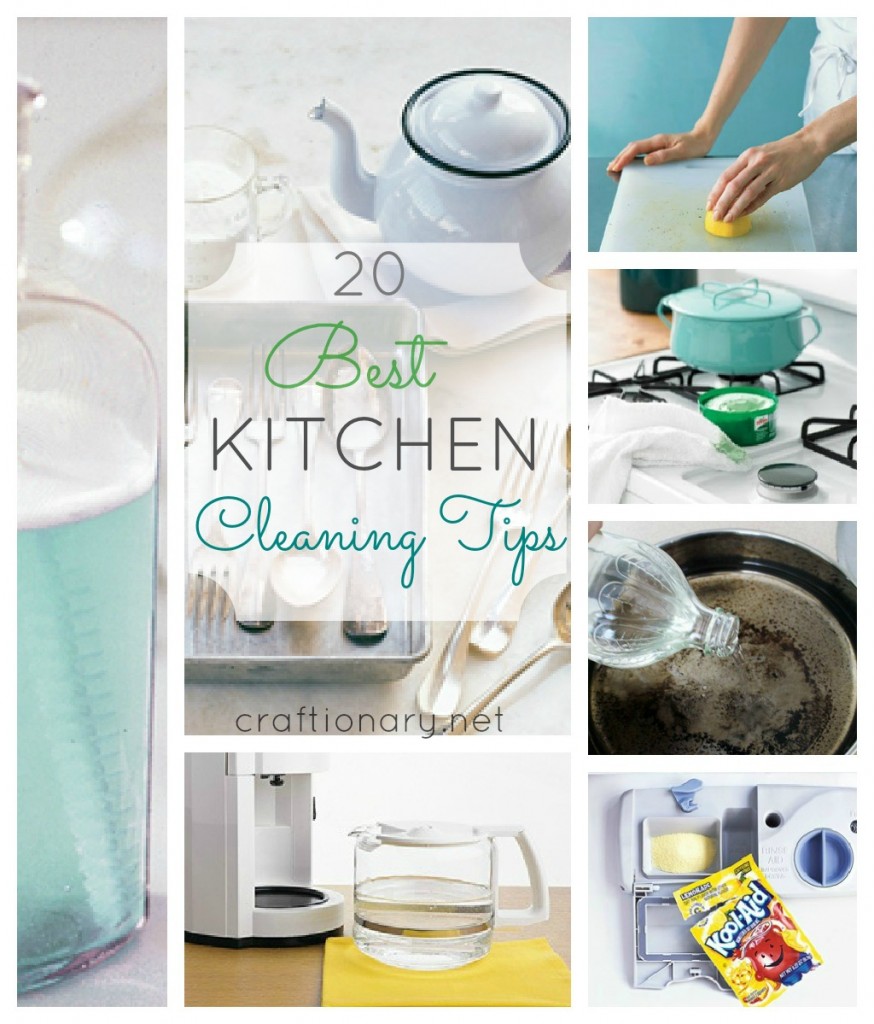
20 Pro Kitchen Cleaning Tips and Hacks
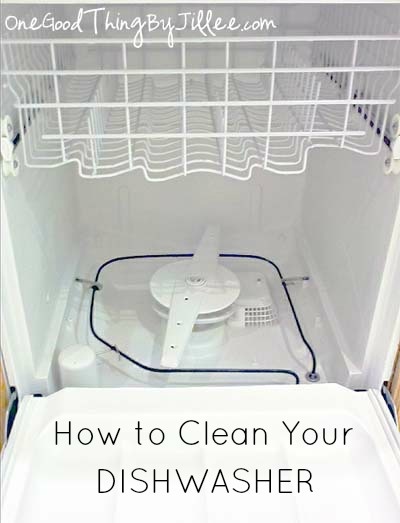
1. How to Clean your Dishwasher for Sparkling Results
Even though it cleans dishes, your dishwasher needs a cleaning too! Place a dishwasher-safe cup filled with white vinegar on the top rack. Run a hot water cycle without detergent. The vinegar will break down grime and mineral deposits. For extra power, sprinkle a cup of baking soda on the bottom of the dishwasher and run a short, hot cycle. You can also use dishwasher cleaning pods and run it on the self-cleaning mode.
2. Clean Sponges Clean and Sanitized
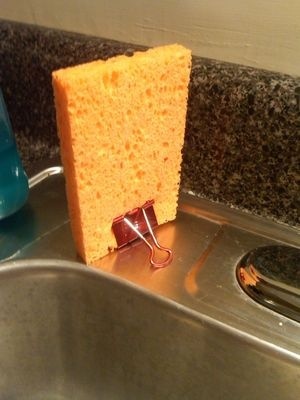
Kitchen sponges are a haven for bacteria. We all know how gross sponges get while lying flat on the counter. Use binder clips or sponge holder to keep it standing. It air dries much quicker and lasts longer.
Soak in a mix of one part bleach or vinegar to nine parts water for 5 minutes or microwave the damp sponge for 1 minute to kill bacteria. Replace sponges every 2–3 weeks.
3. Cleaning Stove Burners without Scrubbing
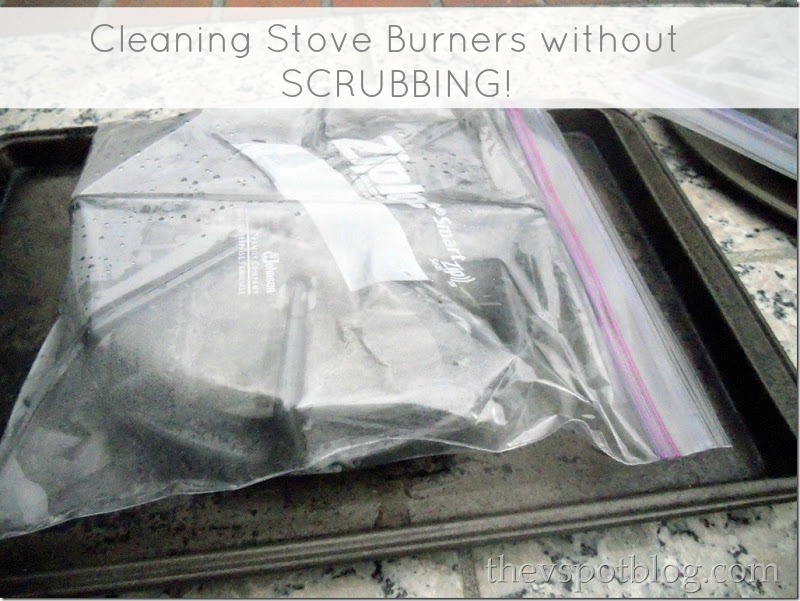
For gas stove grates and electric stovetop coils, soak them in a sealed Ziploc bag with 1/4 cup of ammonia overnight. The next morning, the grime will have softened, allowing you to easily wipe it away. For a quick stovetop clean, make a paste with baking soda and water, apply it to the surface, let it sit for 20-30 minutes, and then wipe with a damp cloth.
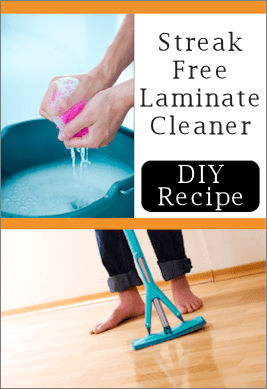
4. Streak Free Laminate Cleaner
Say goodbye to streaks on your laminate floors. Mix:
- 1 part water
- 1 part white vinegar
- 1 part 70% isopropyl (rubbing) alcohol
- A few drops of dish soap in a spray bottle
Spray a fine mist and wipe with a microfiber mop for a brilliant, streak-free shine. This also maintains the high gloss of laminate flooring.
5. Tarnish Cleaning
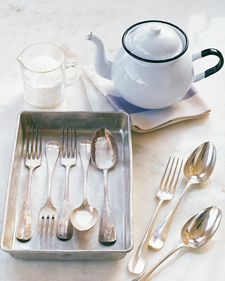
A simple chemical reaction can remove the tarnish naturally.
In a bowl, sprinkle baking soda on tarnished utensils and pour white vinegar. A simple chemical reaction can remove the tarnish naturally. After the fizz settles, pour boiling hot water. Let your tarnished items soak for two to three hours then rinse, and buff with a soft cotton cloth. The tarnish will dissolve, leaving them looking new.
6. Cleaning Bottles and Reusable Containers
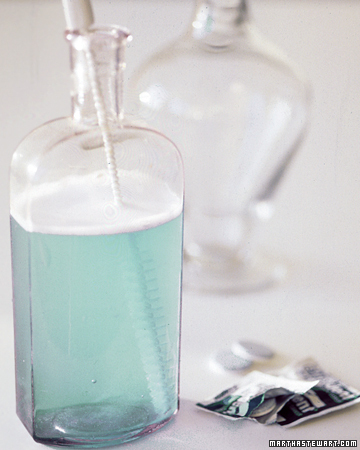
Clean long neck bottles and apothecary jars. Don’t just rinse them out. Use a bottle brush to scrub the inside of bottles and their caps. For stubborn odors, fill the bottle with bottle and drop a tablet or two of denture cleaner like Efferdent. Leave it overnight and scrub with a nylon brush.
7. Cleaning Burnt Pans
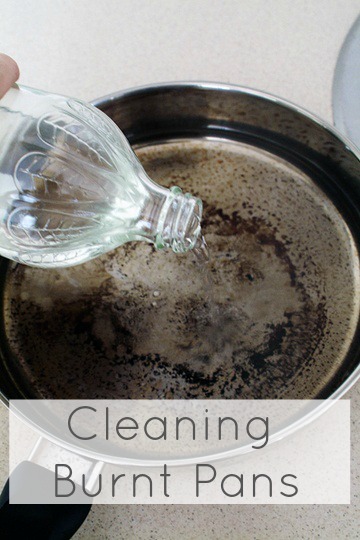
No need for intense scrubbing! Add equal parts water and white vinegar to the burnt pan and bring to a boil. Remove from heat and add a few tablespoons of baking soda; watch it fizz and lift the burnt residue. For tougher spots, a ball of scrunched-up aluminum foil can be used as a non-abrasive scourer.
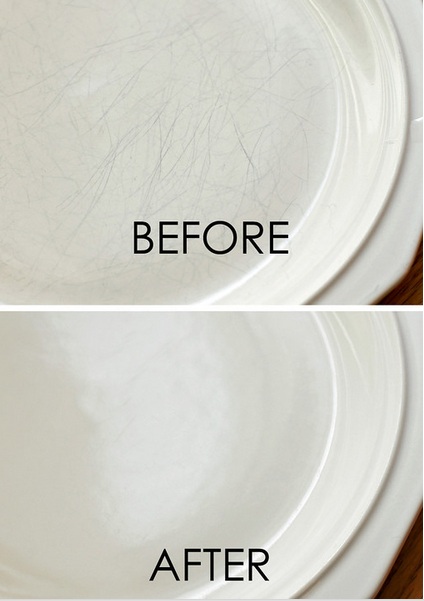
8. Remove Scratch Marks From Dishes
Those pesky grey marks on your ceramic dishes are not scratches but rather residue from your cutlery. To remove them, create a paste with a gentle cleanser like Bon Ami (substitute baking soda) and water. Use a soft cloth to gently buff out the scuff marks. It polishes away gray utensil marks without damaging dishes.
Want more Kitchen Cleaning Tips?
Let’s continue.
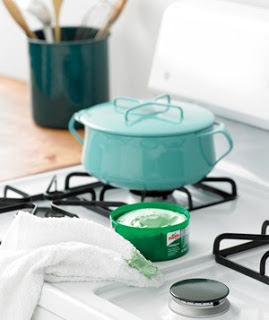
9. Cleaning Stove
Apply a thin layer of car wax and wipe it off. It prevents future spills and dust to stick hard to the stove and makes it easy to clean.
10. Deodorize Smelly Jars
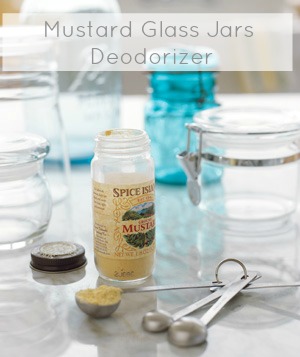
Sometimes a simple wash isn’t enough to get rid of a stubborn smell. After washing, place the jars and their lids (open) in direct sunlight for a few hours. The sun’s UV rays are a powerful natural disinfectant and deodorizer.
For stubborn smells soak jars in a vinegar-water solution then rub with mustard powder. Let sit for 30 minutes before rinsing.
11. Vanilla as Freezer Freshener
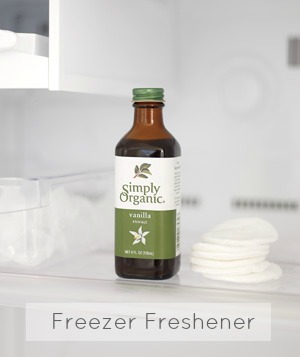
If your freezer has a persistent odor, try this trick. After cleaning the interior, dampen a cotton ball or paper towel with a few drops of pure vanilla extract. Place it in an open container in the back of the freezer. The vanilla scent will help neutralize lingering odors.
Keep a small bowl filled with baking soda in the corner of the refrigerator to maintain freshness. Change every 2-3 months.
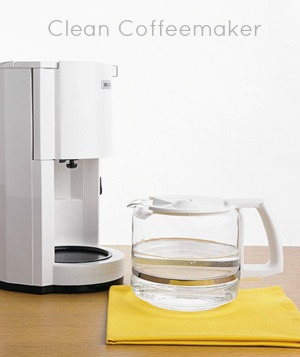
12. Cleaning Coffeemaker or Tea Kettle
To descale a coffeemaker or tea kettle, fill it with a solution of equal parts white vinegar and water. Run a full brew cycle on your coffeemaker or bring the solution to a boil in your kettle. Let it sit for 30 minutes, then rinse thoroughly. Then run 2 cycles with plain water to flush. This removes limescale and coffee residue.
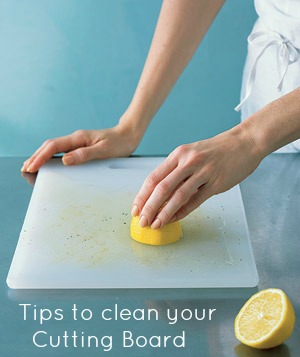
13. Sanitize Cutting Boards
Regularly clean your cutting board with hot, soapy water. To sanitize and deodorize, sprinkle a generous amount of coarse salt over the board, then use a lemon half (cut side down) to scrub the surface. The salt acts as a gentle abrasive while the lemon’s acidity cleans and freshens.
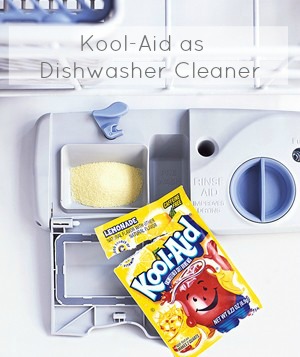
14. Cleaning Dishwasher
Run an empty circle of dishwasher with lemonade Kool-Aid (in the detergent cup). It will clean lime deposits and iron stains.
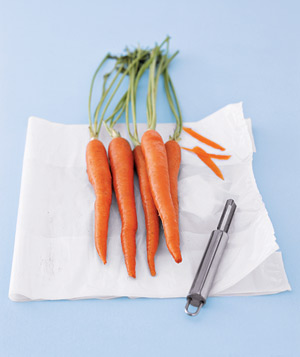
15. Peeling Tips for Easy Clean
Use a bowl or plastic bag to peel vegetables and fruits instead of cutting boards or sink. As you peel, drop all the scraps directly into the bowl. This keeps your countertop tidy and makes for a quick cleanup. Just toss it into the trash bag when you are done.
16. Cleaning Egg Spill
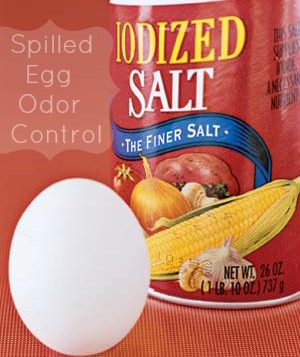
A raw egg on the floor can be a slick, sticky mess. To clean it up easily, generously sprinkle the spill with salt or baking soda. Let it sit for 10-15 minutes; the salt will solidify the egg, making it much easier to scoop up with a paper towel.
17. Homemade Stain Remover
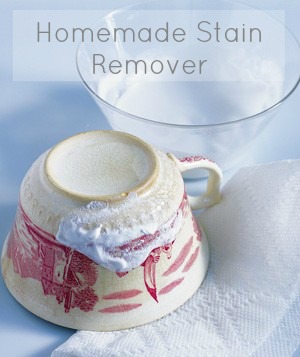
- For fresh food stains on fabric, mix a few drops of liquid dish soap with cold water and blot the stain.
- For tougher stains, combine a tablespoon of dishwashing liquid with 2 tablespoons of white vinegar and soak the stained area before washing.
- For discoloration, mix 2 parts baking soda with 1 part hydrogen peroxide into a paste. Apply to stains on discolored teacups, teapots, containers or countertops. Let it sit and then rinse.
18. Newspaper Drawer Liner
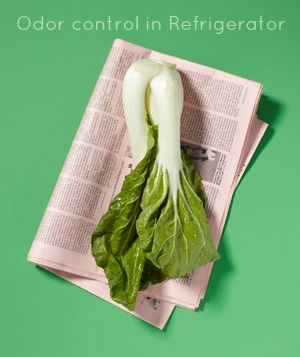
Use newspaper or brown bag as refrigerator drawer liners. Newspapers absorb odor from vegetables.
19. Keep Faucet Spotless and Shiny
- Hard water stains can make a clean kitchen look dirty. Mix a 50/50 solution of white vinegar and water in a spray bottle. Spray it on your faucet and let it sit for a few minutes before wiping it away.
- For stubborn buildup, wrap a vinegar-soaked cloth around the faucet and secure it with a rubber band for 30 minutes.
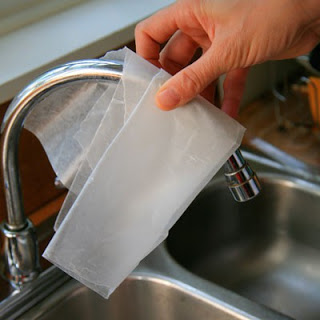
Rinse and buff the faucet with a piece of wax paper to clean water spots. The wax will keep it prevented from watermarks for longer.
20. Steam Clean your Microwave
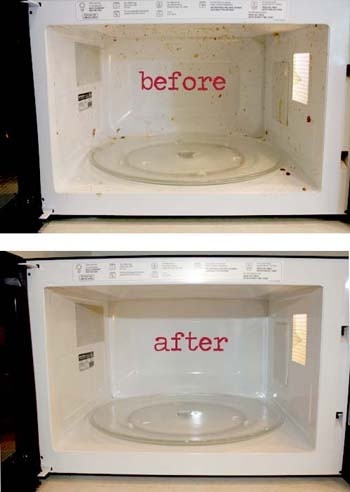
Place a microwave-safe bowl with 1 cup of water and a few lemon slices (or a splash of white vinegar) inside the microwave. Heat on high for 2-5 minutes, allowing the steam to fill the interior. The steam will loosen stuck-on food, making it easy to wipe away with a paper towel.
21. Deep Clean an Oven
Forget harsh chemicals. Make a thick paste with baking soda and water (about 1/2 cup of baking soda with 3 tablespoons of water). Spread the paste all over the inside of the oven, avoiding the heating elements. Let it sit overnight, then spray with white vinegar and wipe clean. The vinegar will react with the baking soda to lift the grime.
How to Maintain a Clean Kitchen?
1. The “Clean Your Sink Last” Rule
The kitchen sink is often the dirtiest spot. By leaving it for last, you can use it to dispose of dirty water and clean all your other tools before giving it a final, thorough cleaning with a cleanser and a rinse.
2. The “Do It Now” Mindset
The single most effective kitchen cleaning tip is to adopt a proactive mindset. Wipe up spills immediately, put away dishes as they dry, and perform a quick wipe-down of surfaces after each meal. This prevents grime from building up, making deep cleaning sessions far less daunting.
3. Maintain a Fresh Kitchen Daily
- Wipe spills immediately.
- Empty trash frequently.
- Run exhaust fans while cooking.
- Keep baking soda in the fridge to absorb odors.
4. Natural Cleaning Ingredients That Work Best in Kitchens
- Baking Soda – deodorizes and scrubs without scratching.
- Vinegar – cuts grease and disinfects naturally.
- Lemon Juice – removes stains and leaves a fresh scent.
- Salt – adds scrubbing power for stubborn messes.
- Hydrogen Peroxide – tackles food stains and disinfects surfaces.
Common Questions About Kitchen Cleaning
Can vinegar be used on all surfaces?
No—avoid using vinegar on natural stone (granite, marble) as it can etch the surface.
What’s the fastest way to clean greasy kitchen cabinets?
Mix dish soap and warm water, then wipe with a microfiber cloth. For stubborn grease, add a little baking soda.
How do you keep your sink smelling fresh?
Run baking soda with 1 cup vinegar down the garbage disposal weekly.
Keeping your kitchen sparkling clean doesn’t require expensive products or hours of scrubbing. These 20 proven kitchen cleaning hacks will save you time, money, and frustration while making your cooking space safer and more enjoyable.
Whether you’re deodorizing jars, cleaning burnt pans, or making a DIY streak-free cleaner, these tips will help you maintain a spotless, fresh-smelling kitchen every day.
You will also like:
30 Kitchen Towel Display Ideas for tea towel and dish cloth
How to get organized? Top Practical Home Tips
Kitchen cleaning products that are good for environment naturally







This is very useful post, although I know baking soda uses, learned so much here.
Nice input! I find this post really very helpful as I am looking for such easy cleaning tips from so long. I will try to implement these tips. Cleaning seems to be so daunting task but in real it is always fun and by using smart cleaning tips we can save our lots of time and money as well.
Great list, thanks! Just one observation, make sure to read manufacturers instructions before cleaning any appliances such as dishwasher to make sure you don’t void warranty.
Tang breakfast drink was recommended for cleaning dishwashers 30 years ago. I imagine any lemonade mix would also work. it is the citric acid that does the trick.
I was just planning to clean my kitchen, thank you so much for these amazing tips! I hope they’ll work!
This is grate and effective post. This post describe how to how to cleaning the kitchen and kitchen tools. This very effective and useful post. I appreciate this post.
This is a very informative and helpful post. I appreciate this post. Thank you for sharing this post.
These all kitchen tips are going to be really helpful for the homeowners! Thanks for sharing such useful information!
Thanks for sharing all these cleaning hacks and tricks! This post is very helpful for homeowners!