This post may contain affiliate links. Please see our full Disclosure Policy for details.
Butterflies not only add to the beauty of our garden but they also help with pollinating flowers. There are over 500 known species of butterflies in Canada and United States, that help the flowers grow. You will find easy handmade ways to make DIY butterfly feeder. These are great for attracting bugs and birds along with butterflies in your garden/ backyard and are fun for gardening with kids.
You can use a variety of materials to make simple butterfly feeders like hanging a plate with soaked sugar water sponge on a tree branch. You can also use wall mounted plate holder, terra cotta saucer feeder, mason jars, DIY feeder jug, pie tin, and even glass dish. Consider adding ant moat to deter pests from homemade butterfly feeders.
Place the feeder near the house or colorful flower border near the window so they can easily find it. Keep it in a sunny spot that is not windy. Provide landing area such as rocks and sponges. To make the ideal butterfly feeder one must understand the butterfly behavior and feeding practices first. You will also find tips on setting a feeder up, attracting butterflies, and long-term strategy for a successful butterfly feeder with ethical reminder and troubleshooting common questions.
Why Add a Butterfly Feeder?
Butterfly feeders are a fun, hands-on way to invite pollinators into your yard and help kids observe butterflies up close. That said, feeders are best used as a supplement to good habitat (native nectar plants, host plants for caterpillars, shelter and water). Planting for butterflies provides the long-term food and life-cycle support they need—feeders simply give an extra food source during peak seasons.
What Do Butterflies Really Eat?
- Nectar from flowers is the main natural food source.
- Overripe or rotting fruit (bananas, oranges, melon) also attracts many species.
- Butterflies sometimes visit sugar-water feeders or “puddlers” (shallow mineral sources) for salts and minerals.
Important: Avoid using commercial dyes or red food coloring — they’re unnecessary and may be harmful. Natural colors of feeders (bright flowers, fruit) are enough to attract butterflies. (Same guidance commonly given for hummingbirds.)
Butterfly Nectar and Food
Butterflies have a modified mouthpart called a proboscis, which works like a drinking straw. They consume only liquid food, making the type of nectar or fruit you provide crucial.
1. Make Butterfly Nectar:
Mix 4 parts water with 1 part granulated white sugar and boil for a few minutes until the sugar dissolves. Cool the nectar thoroughly before adding it to the feeder. Large batches can be made and stored in the fridge for 3-4 weeks.
2. Make Fruit Feeder:
Always cut fruit into slices or place mashed fruit on a brightly colored sponge or directly on the plate in sugar water or nectar. You may make fruit feeder with water and fruits only. Butterflies love banana (mashed or sliced), orange/citrus slices, watermelons, pineapples, mangoes, kiwis and apples
3. Puddler (mineral source):
Butterflies sometimes seek minerals and salts from muddy puddles or damp sand. You can make a “puddler”:
- Use a shallow dish, fill with sand or gravel, then keep it moist with a mixture of water and a pinch of salt or compost tea.
- Place flat stones or perches nearby so butterflies can land.
- Keep moist but not stagnant; refresh water regularly.
IMPORTANT FOOD SAFETY:
- Avoid Honey: Honey can carry fungal spores (like Paenibacillus larvae) that are deadly to butterflies.
- Avoid Artificial Sweeteners/Brown Sugar: Butterflies cannot digest these complex sugars and they offer no nutritional value.
- Overripe Fruit: Overripe, slightly fermenting fruit is preferred by many butterfly species, as the scent is a strong attractant.
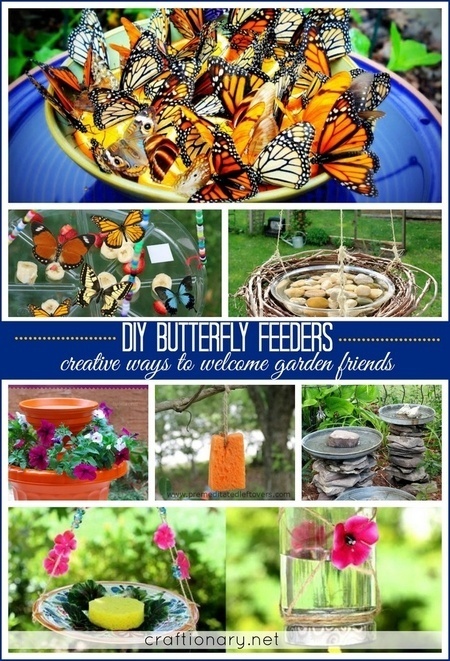
Butterfly Feeder Types That Work
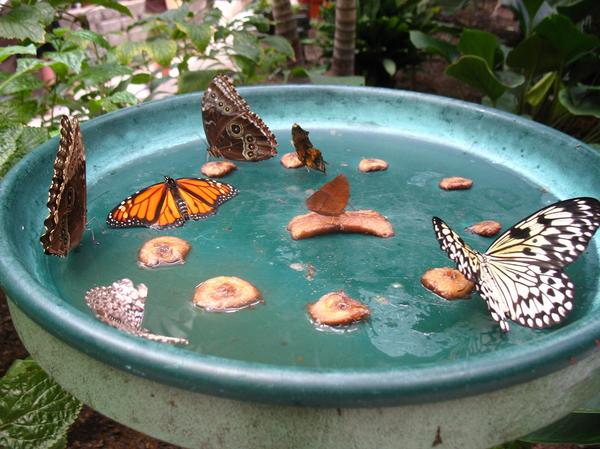
1. Shallow dish / puddler
Shallow plate with sand, mineral-rich mud, or a salt/sugar solution where butterflies can sip and gather minerals. Great for puddling species like Blues and Swallowtails.
Why a sponge? The sponge gives butterflies a dry landing place and prevents them from drowning in liquid. Sea sponges or natural cellulose work best because they don’t break down as quickly.
2. Fruit butterflies feeder (Best for simplicity)
A butterfly paradise made in a porcelain bowl. Skewered or plated pieces of overripe fruit pieces (bananas, oranges) in fruit nectar placed on shallow dishes or hung. Attracts many species that prefer fruit.
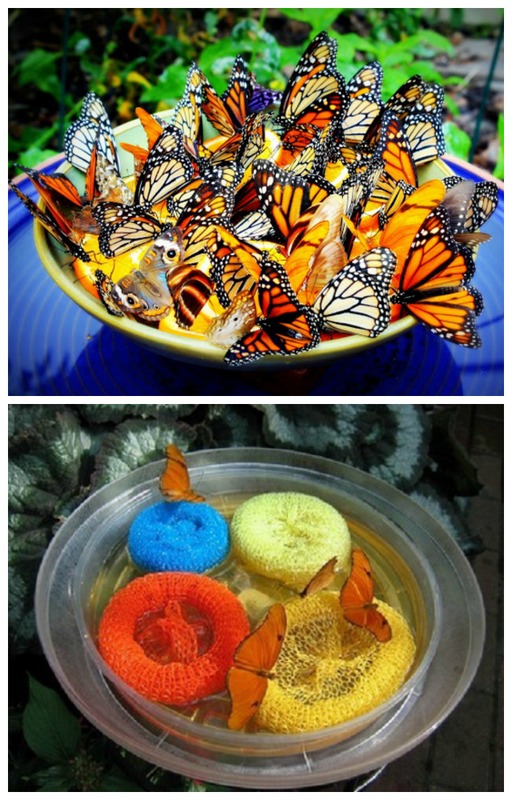
3. Instant butterfly sugar feeder
Instant feeder for your garden made from sponges and plastic plate. Butterflies love red, orange, purple and yellow, they have good color vision.
Tip: butterflies may get stuck in the wire sponge, use the foam sponge instead. This provides a soft landing for our delicate beauties.
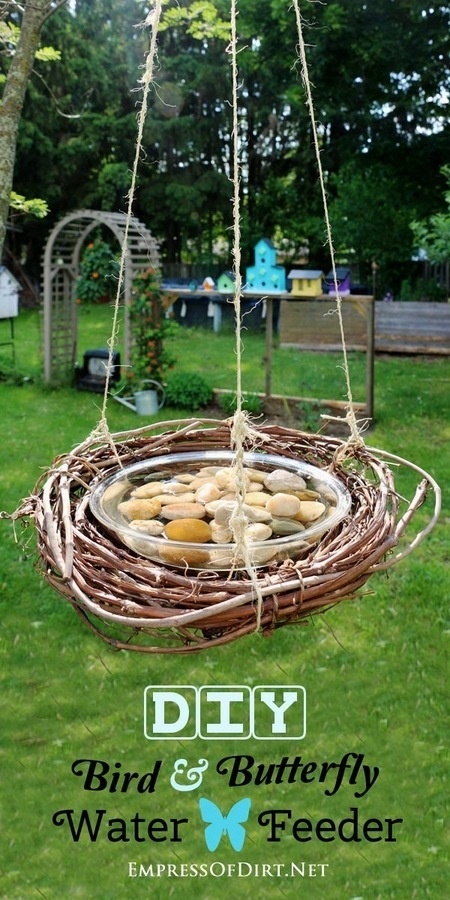
4. DIY Hanging Bird Butterfly Plate Water Feeder (Best for Fruit)
Multi purpose DIY butterfly feeder that serves as a bird water/ bird bath too. This macrame-style hanger is ideal for serving overripe fruit, a favorite of species like Red Admirals and Painted Ladies.
Materials:
- A bright-colored dish (plastic plant saucer, ceramic pie plate, or plastic lid)
- Thick twine or yarn (about 10-12 feet total)
- Grapevine wreath
- rocks
- Overripe fruit (banana, orange slices, or melon)
Step-by-Step Instructions:
- Prepare the Hanger: Cut four equal lengths of twine (approx. 3 feet each). Gather them and tie one large knot at the top, leaving a small loop for hanging.
- Divide and Knot (The Basket): Separate the strings into four pairs. Measure down 3-4 inches from the top knot and tie a knot at four sides of the wreath to make a balanced base.
- Finalize: Place your dish in the center and hang.
- Add Food: Place slices of very overripe banana, orange, or a sponge soaked in sugar water (see food section below). Add a few small, clean landing rocks for the butterflies to perch on.
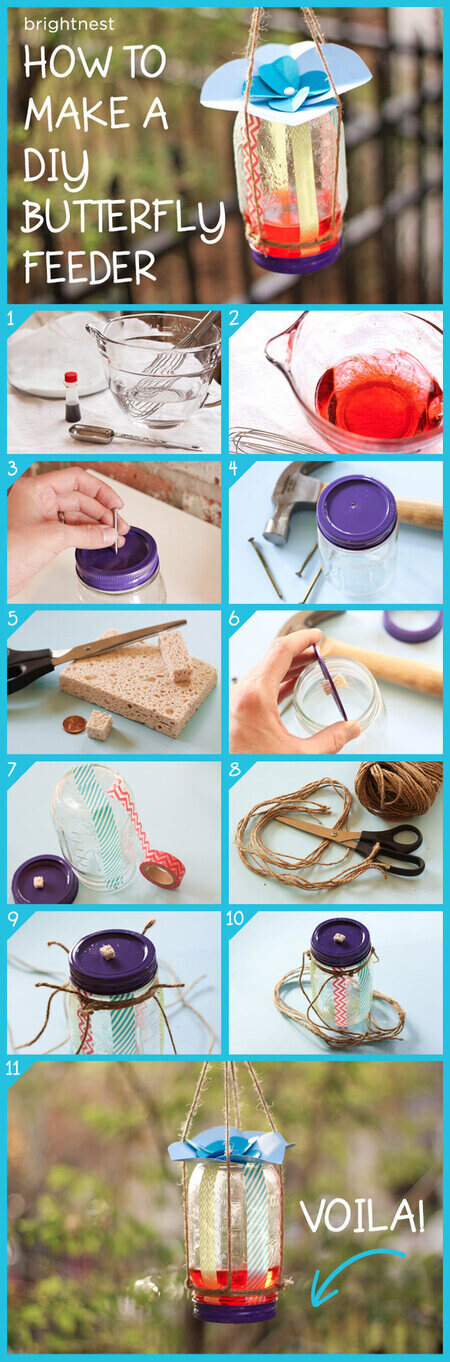
5. Upside Down Mason Jar Butterfly Feeder (Best for nectar)
This design mimics a hummingbird feeder and keeps your nectar fresh and mess-free.
Materials:
- A small jar with a lid (mason jar, jam jar).
- Hammer and nail (adult supervision required).
- A colorful, clean sponge (red, yellow, or blue).
- Twine or wire for hanging.
Instructions:
- Punch a Hole: Using the hammer and nail, carefully punch a single hole in the center of the jar lid. Safety Note: Be mindful of sharp edges.
- Insert the Nectar Wick: Cut a small strip of sponge and thread it through the hole. It should be a snug fit to prevent dripping. Leave about half an inch sticking out of the lid’s top—this acts as the “flower.”
- Prepare Hanger: Wrap twine or wire securely around the mouth of the jar, creating a loop to hang it from.
- Fill and Hang: Fill the jar with the cooled sugar solution (see below), screw the lid on tightly, and hang the feeder upside down.
6. Commercial butterfly feeders
Purpose-built feeders with wicks or trays make cleaning easy; some combine ant/moisture guards.
Setting Up Your Butterfly Feeder
The placement of your feeder is key to success and butterfly safety.
- The Best Spot: Hang the feeder in a partially shaded spot near nectar-producing plants. Direct midday sun will cause the sugar water to spoil or the fruit to dry out too quickly.
- Protection: Ensure the feeder is out of strong wind and away from dense shrubs or bushes where predators (like cats or birds) can hide.
- Away from Activity: Hang at roughly head-height or lower (2–6 feet) so you can watch without disturbing them.
- Cleaning is Critical: This is the most important step for the butterfly’s health! Clean your feeder with hot water and a mild vinegar solution every 3-5 days, or immediately if you see mold or cloudiness in the nectar. This prevents the spread of disease.
- Watch for ants and bees: Use ant moats or hang feeders away from ant trails; for bees, fruit feeders can attract them—try spacing feeders or offering small separate dishes for bees. Use shallow dishes that bees can land on safely.
- Conservation note: Overuse of feeders without adequate habitat can be counterproductive. Provide native nectar plants, host plants (e.g., milkweed for Monarchs), and pesticide-free areas for best results.
By providing a safe, clean, and nutritious source of food, you are making a positive, tangible contribution to your local ecosystem.
What butterflies you might attract
Species vary by region. Fruit feeders and puddlers commonly attract:
- Monarchs — love milkweed nectar and sometimes fruit/sugar feeders. (Provide milkweed for caterpillars.)
- Painted Ladies, Swallowtails, Sulphurs, Red Admirals — often visit fruit feeders and puddlers.?Local field guides or your regional butterfly conservation group can tell you which species to expect.
Habitat and plant list — the number-one long-term strategy
Feeders help, but planting for butterflies is the long-term, most beneficial approach. Include a mix of nectar plants (for adults) and host plants (for caterpillars) with staggered bloom times.
Top nectar plants (general):
Coneflower (Echinacea), butterfly bush (Buddleia — use responsibly; some regions restrict it), lantana, asters, zinnias, milkweed (host for Monarchs), Joe-Pye weed, verbena, lavender.
Water and minerals:
Create a puddler (shallow damp sand) or place a shallow dish with pebbles for water/mineral access.
Make DIY Butterfly Feeder
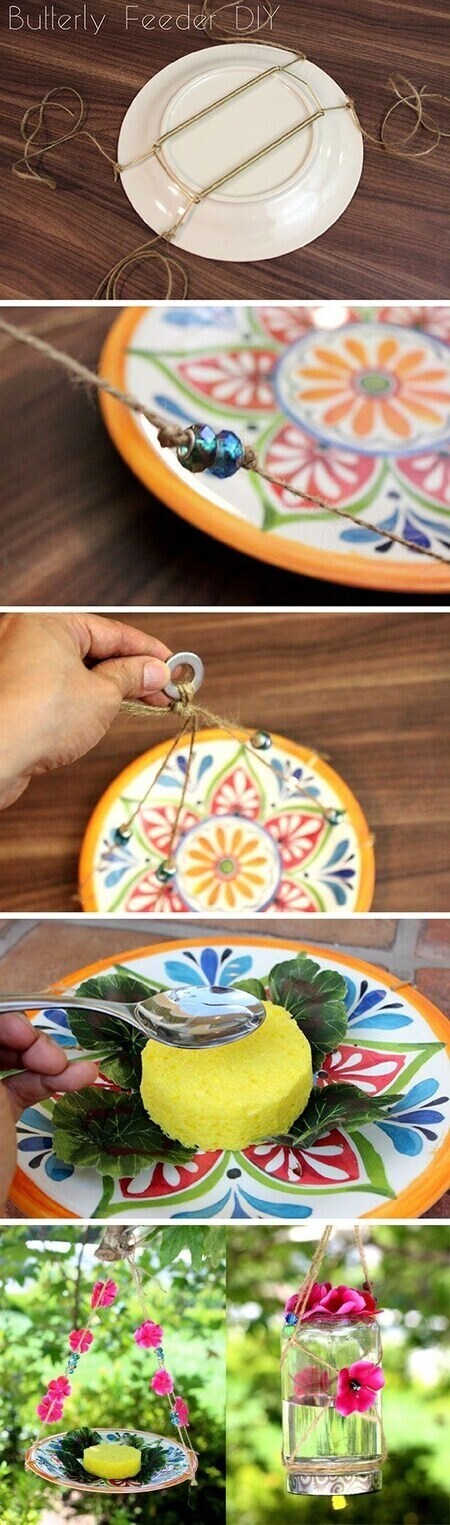
1. Decorative plate butterfly feeder
Add a decorative accent to your garden with beautiful ceramic plate feeder for the lovely garden friends. Use a plate hanger to securely hang it.
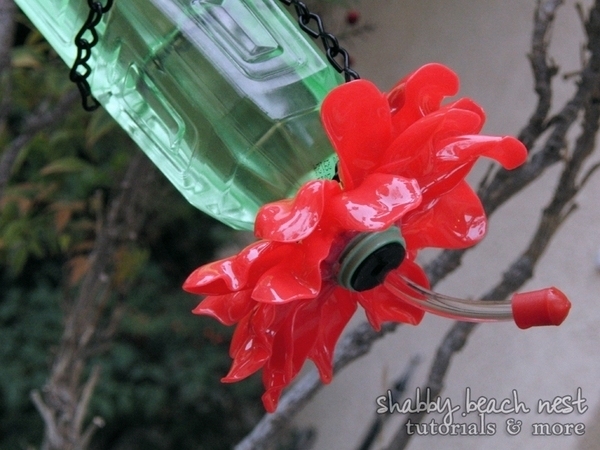
2.Repurposed butterfly feeder
An upcycled humming bird feeder made from plastic bottle, feeder tube and plastic spoons.
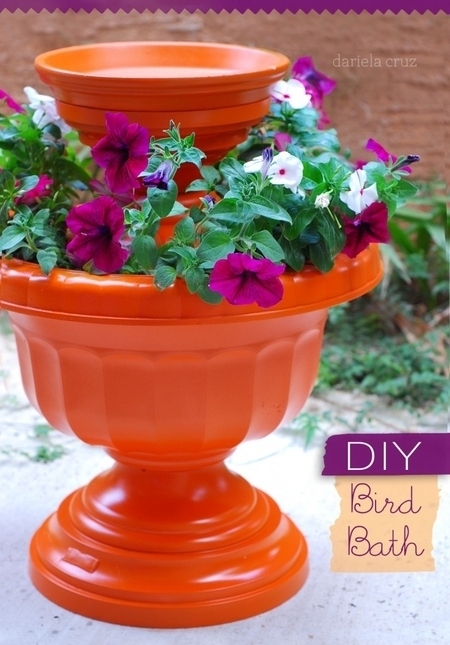
3. Butterfly feeder planter
This one is my favorite. An innovative planter/ bird bath/ DIY feeder for your garden. I also love it’s bright orange color. Here’s a tutorial to make a DIY urn for less, if you like.
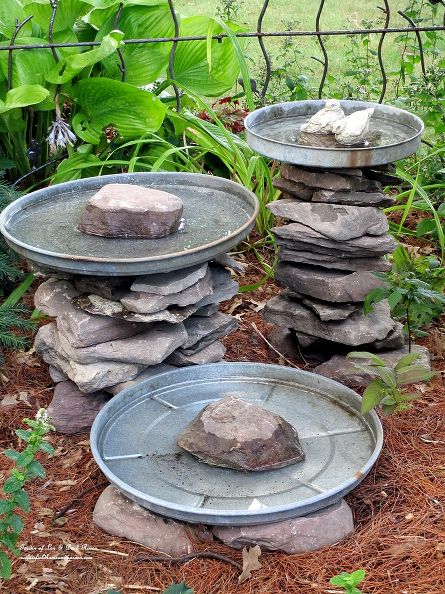
4. Galvanized tin tray feeder
Make a natural looking homemade feeder and bird water for your backyard with stones and metal trays.
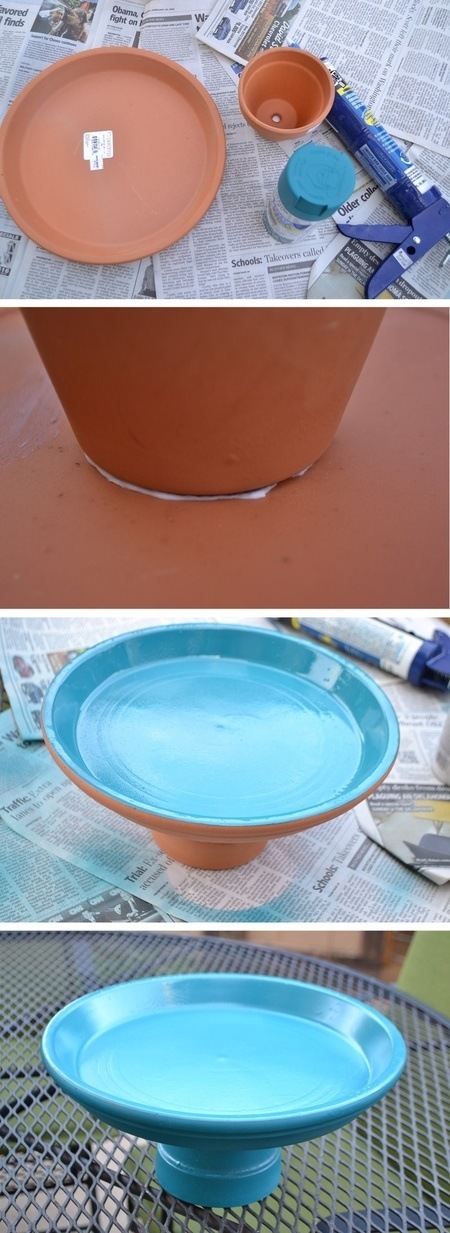
5. Terra cotta saucer
Terra cotta bird bath and butterfly feeder, super easy and stunning project for your backyard.
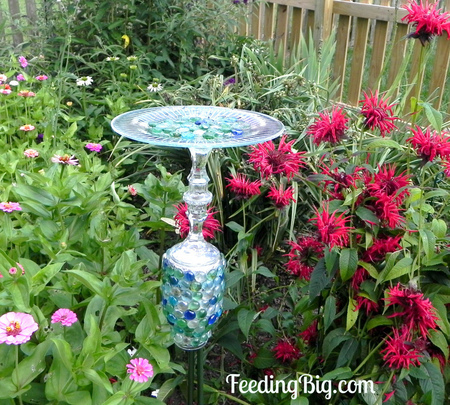
6. Glass dish butterfly feeding stand
Crafty feeder with thrift store mason jar, candle holder and plate.
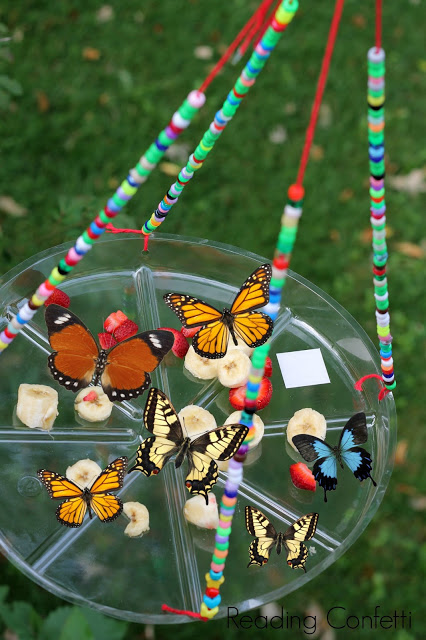
7. Kids butterfly feeders
Kid made easy butterfly feeder with beads and plastic plate. unknown source
You will also like:
- Buy or make DIY hummingbird feeder for your home garden
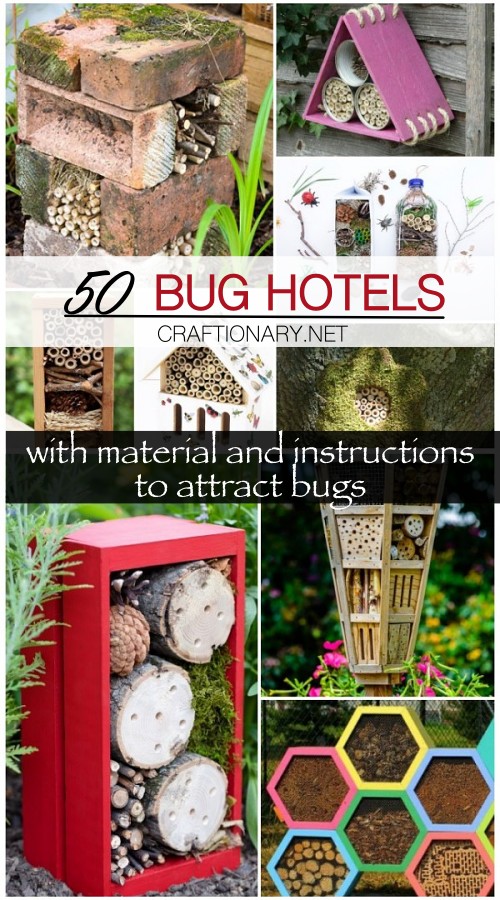
- 50 DIY bug hotels | material and instructions to attract bugs
8. Sponge nectar feeder
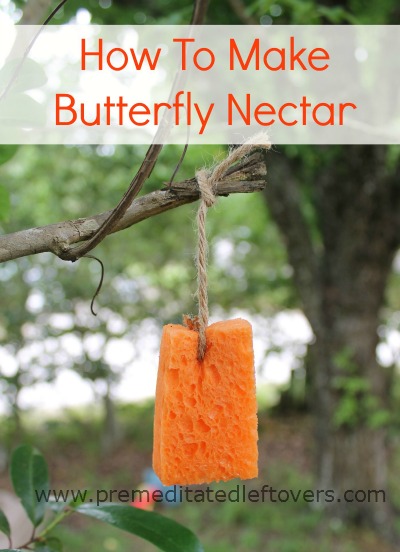
Super simple butterfly nectar made with sugar water, soak sponge and hang it in the backyard with twine.
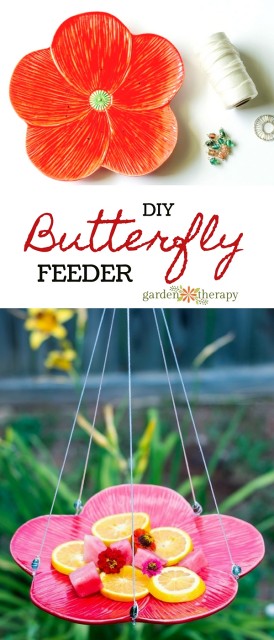
9. Hanging colorful butterfly feeder
Turn a decorative plate into feeder with mason line and beads. Use colorful fruits to attract butterflies. How to make a feeder via garden therapy.
Troubleshooting Common Questions
Feeder never gets visitors — why?
Feeders work best when placed near flowering plants, in partial shade, and on calm days. If your garden lacks nectar sources or host plants, butterflies may ignore feeders. Also check visibility—bright colors and nearby perches help.
How often should you clean a butterfly feeder?
Replace nectar and clean the feeder every 2–3 days in warm weather; sooner if cloudy or smelly. Clean promptly to prevent fungal/bacterial growth.
Will feeders attract unwanted insects?
Fruit feeders can attract bees, wasps, and ants. Use shallow trays, space feeders apart, mount them away from human activity, and keep them clean to reduce problems. Consider small separate dishes for bees if needed.
Final tips and ethical reminder
- Use feeders as a temporary supplement, not a replacement for native plantings.
- Never add dyes or honey — stick to plain sugar solutions or fruit.
- Clean feeders often and monitor for signs of insect disease.
- Get involved with local butterfly counts or conservation organizations to learn which plants support your regional species best.
Read more:
You will also like:
Looking for more great ideas?
Check out the GARDEN category.
Some links are unknown. If you know the original source please leave a comment.




Great ideas!
Lauren
Hello…
I’m interested in the Butterfly feeder with the multi-colored sponges. What I don’t see is what is in the feeder. Is it water? sugar water?
I would appreciate your help.
Thank you,
Christyne
The sponges are soaked in sugar water. I hope this helps!
Love the butterfly feeder with coloured sponges but how do you keep ants and wasps away, the also like sugar water?
For keeping ants away you can try hanging it somewhere, and wasps I think will come if there is too much of sugar water in a sponge. Try using an appropriate amount! I hope this helps.
What a great idea. I am doing this first thing in Spring. I feel badly that I never thought of this myself.I have so many butterflies in my yard, I just assumed they went to one of my many birdbaths to drink.Well now they will have their own little “watering holes”. Thanks so much for sharing!!
I love these ideas and can’t wait to try a few! Quick question though, would the standing water attract mosquitoes?
Thank you.
The standing water only attracts mosquitos when it has not been replaced and is stale. For birds and butterflies it’s good to have fresh water, especially in summer the water evaporates so you have to refill it anyways.
I can’t wait to try this. Thank you for the idea.
I love all these many ideas to help the butterflies. I had no idea about the stones for them to land on, good idea while eating or drinking the water. Good idea.