This post may contain affiliate links. Please see our full Disclosure Policy for details.
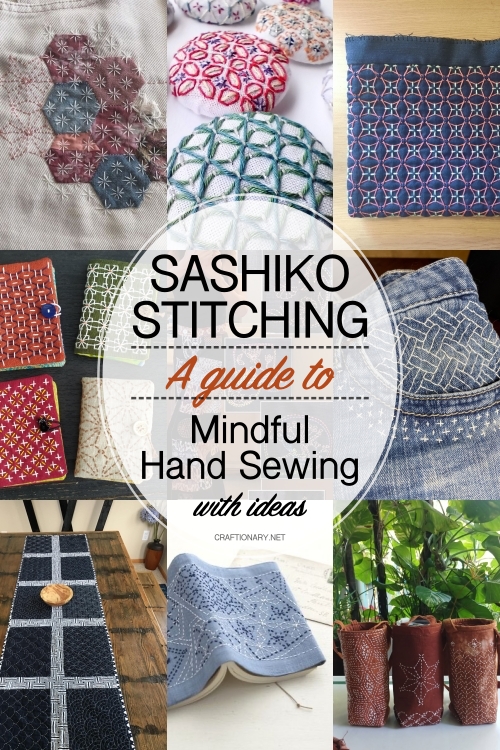
In an age of fast fashion and disposable goods, Sashiko stitching has emerged as a powerful antidote. This ancient Japanese embroidery technique, which translates literally to little stabs, has transitioned from a rural necessity to a global movement in sustainable fashion and mindfulness.
Whether you are looking to save a favorite pair of jeans through visible mending or want to create intricate geometric art, we will cover the history, tools, and techniques needed to master Sashiko.
What Is Sashiko Stitching?
Sashiko stitching is a traditional Japanese needlework technique that uses small, repetitive running stitches, where a needle passes in and out of fabric, to create geometric patterns. The term Sashiko means little stabs, which represents the Mottainai (literally “don’t be wasteful”) mentality, a Japanese philosophy which values making the most of resources. This concept emphasizes the importance of repairing rather than discarding old and worn-out clothes.
Sashiko was first used by the poor in rural Japan as a tool for warmth and fabric preservation. Traditionally, it blends indigo-dyed fabric with white cotton thread and patterns inspired by nature.
Sashiko is divided into two types:
- Moyozashi (patterns made with straight, non-crossing lines)
- Hitomezashi (patterns formed by overlapping individual stitches)
The method is consistent with wabi-sabi, the Japanese aesthetic concept that finds beauty in imperfection. Sashiko emphasises the beauty of imperfect parts and the value of repair for durability.
Related: Slow Stitching: A Guide to Mindful Hand Sewing with Creative Ideas
Supplies Needed for Sashiko Stitching
1. Basic Tools
To achieve the extraordinary results seen in professional Sashiko, you need the right tools. Standard embroidery supplies will work, but traditional tools change the experience entirely.
- Sashiko needle (longer and has a large eye for thick thread): Unlike standard needles, these are long, sharp, and strong. Their length allows you to load multiple stitches onto the needle before pulling the thread through.
- Sashiko Thread (thick and strong cotton thread): This is a 100% cotton, non-mercerized thread. It has a matte finish and a distinct twist that allows it to grip the fabric, becoming stronger over time as it slightly felts into the fibers.
- Thimble (Kanzashi): This is a ring-style thimble worn at the base of the middle finger. You use your palm to push the long needle through the fabric, rather than your fingertips.
- Indigo Fabric: Traditionally, heavy cotton or linen is used. Denim is a perfect modern substitute.
2. Optional
3. Useful Beginner Kits
- Sashiko Pattern Bundle
- Visible Mending Tool Kit
- Starter Sashiko Kit
- Sashiko Nature Embroidery Patterns
4. Best Fabrics for Sashiko Stitching
In Sashiko, fabric has a major effect on stitching quality as different fabrics react differently under the needle.
- Traditionally, indigo-dyed cotton was preferred for its beauty and durability.
- Medium-weight cotton, denim, or linen blends work best for Sashiko because they allow stitches to slide without puckering or straining the hands.
- The most suitable fabric is one that is both flexible and sturdy, like choosing paper that allows artistic strokes to flow freely.
How to Start Sashiko Stitching?
1. Basic Sashiko Stitch (Running Stitch)
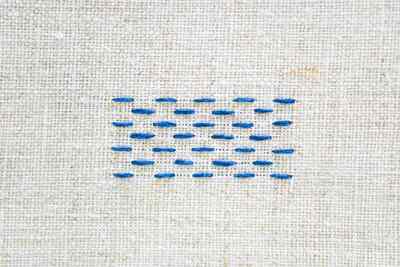
The entire art form is based on one stitch. The running stitch is the basis of Sashiko art; despite its simplicity, it is a powerful method to create rhythm, pattern, and structure.
Sashiko stitches are usually longer on the front and shorter on the back. This creates the signature look.
- Stitch forward in a straight line
- Keep stitches evenly spaced
- Maintain consistent tension
This technique includes loading a lot of stitches onto the needle before dragging the thread through, like the process of threading beads, which results in a smooth and continuous stroke.
Useful Tips:
- Get used to pulling the fabric, not the needle.
- Start with smaller projects.
- Use the right tools and materials.
- Keep the fabric smooth.
- Embrace any imperfections.
The Spruce Crafts
2. The Jujizashi (Rice Cross) Stitch
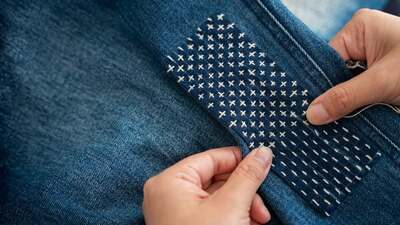
The Jujizashi is one of the most popular beginner patterns because it reinforces fabric in both horizontal and vertical directions.
- Grid Marking: Use a water-soluble fabric marker and a ruler to draw a 0.5 cm or 1 cm grid on your fabric.
- The Horizontal Pass: Stitch a simple running stitch across all horizontal lines.
- The Golden Rule: Leave a small loop of thread on the wrong side of the fabric at each turn. This prevents the fabric from puckering when it is washed.
- The Vertical Pass: Stitch the vertical lines. In Sashiko, stitches should never touch or cross in the center of a junction. They should meet at the corners to form a crisp + shape with a tiny gap in the middle.
- The 3:2 Ratio: Ideally, your stitch on the top of the fabric should be slightly longer than the space between stitches.
3. Sashiko for Visible Mending
One of the most searched uses today is repairing clothes beautifully. Commonly used for repairing jeans, fixing worn sleeves, or patching holes.
- Place a patch behind damaged fabric
- Stitch over using sashiko patterns
- Reinforce while adding decorative detail
Related: DIY Painted Fabric Patchwork Art: Easy No-Sew Fabric Crafts
Popular Sashiko Patterns
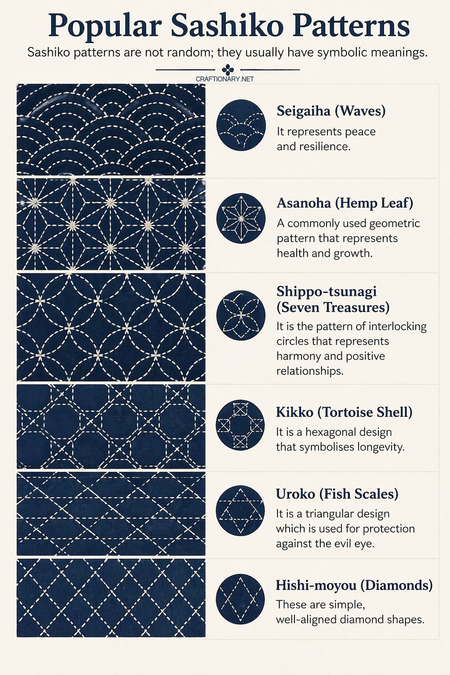
Sashiko patterns are not random; they usually have symbolic meanings.
- Seigaiha (Waves): It represents peace and resilience.
- Asanoha (Hemp Leaf): A commonly used geometric pattern that represents health and growth.
- Shippo-tsunagi (Seven Treasures): It is the pattern of interlocking circles that represents harmony and positive relationships.
- Kikko (Tortoise Shell): It is a hexagonal design that symbolises longevity.
- Uroko (Fish Scales): It is a triangular design which is used for protection against the evil eye.
- Hishi-moyou (Diamonds):These are simple, well-aligned diamond shapes.
Sashiko Stitching Ideas and Project Inspiration
Creative Sashiko stitching ideas inspire unique projects, blending tradition beautifully. Here we have listed the best ones for you.
Patterns for Beginner:
Sashiko stitching is not only for skilled people, but we have also listed a few beginner-friendly projects for you.
1. Tote Bag: You can make your plain tote beautiful with simple lines, creating a modern textured design.
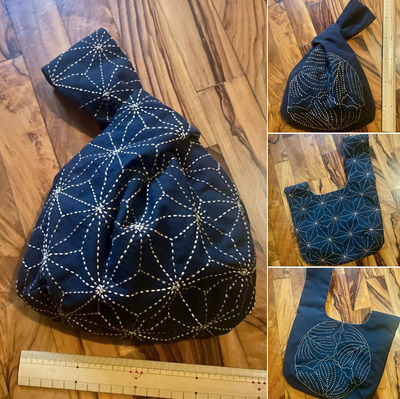
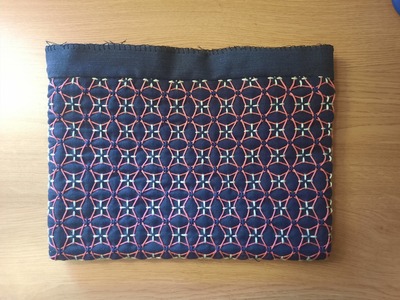
2. Handbag: Decorate your simple handbag into a stylish one by decorating fabric with repeating patterns for stylish durability.
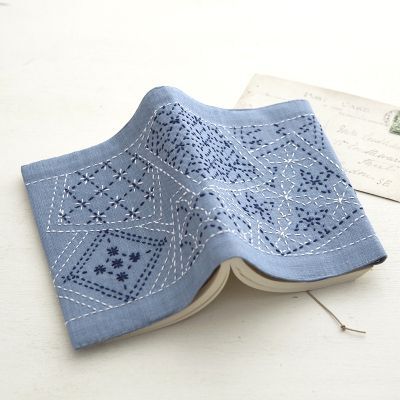
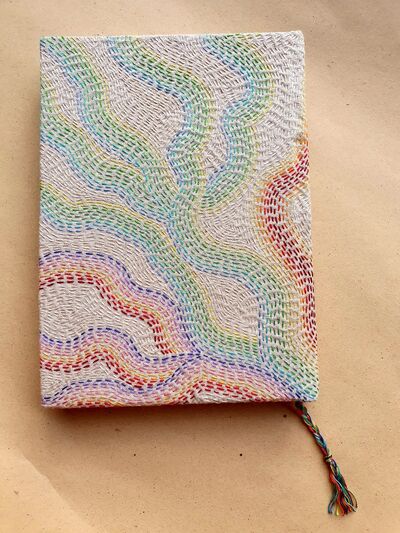
3. Embroidered Notebook Cover: Use a combination of patterns to decorate book covers.
Hobbyra Hobbyre
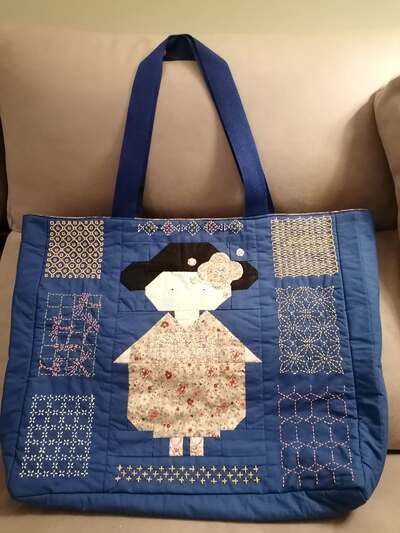
4. Handbag: For a unique look, fix the gaps and use bold stitching patterns.
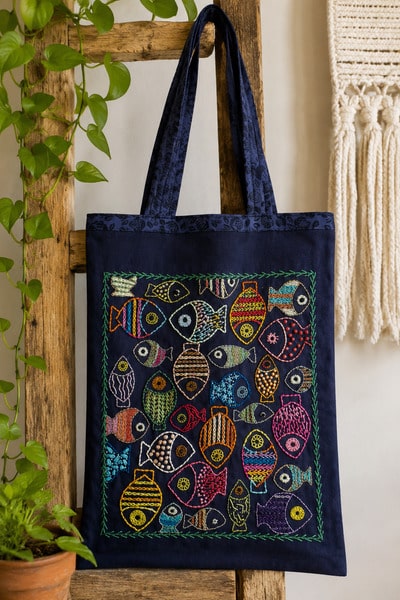
Here’s another creative tote bag with fish pattern.
Home Decor Ideas
You can decorate your home with these beautiful pieces.
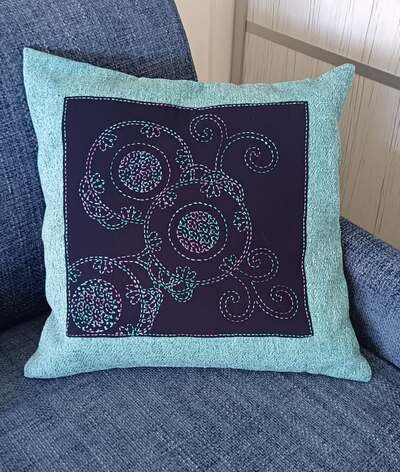
5. Cushion Cover: Add geometric stitching patterns to cushion covers for cozy texture.
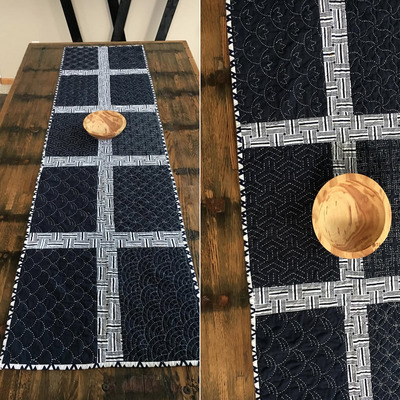
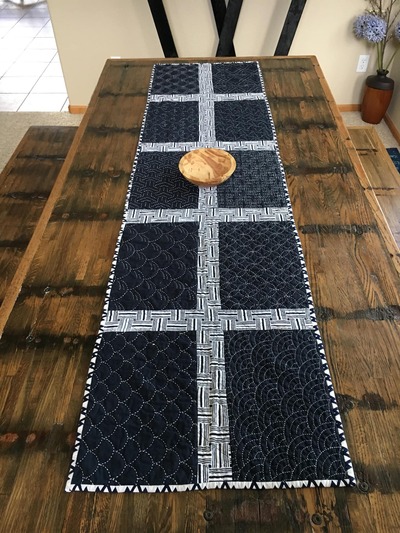
6. Table Runner: You can stitch different designs for an elegant dining table decoration.
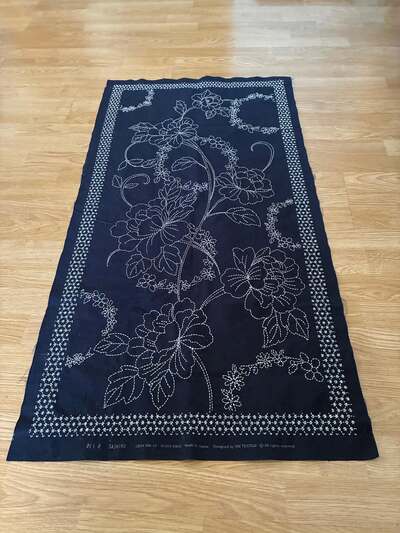
7. Wall Art: Traditional pattern artwork adds charm to your home, so you should create one.
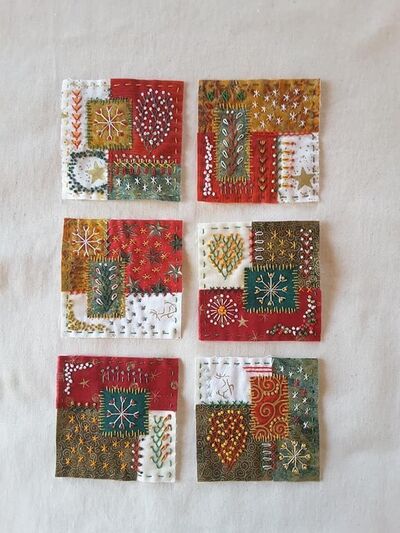
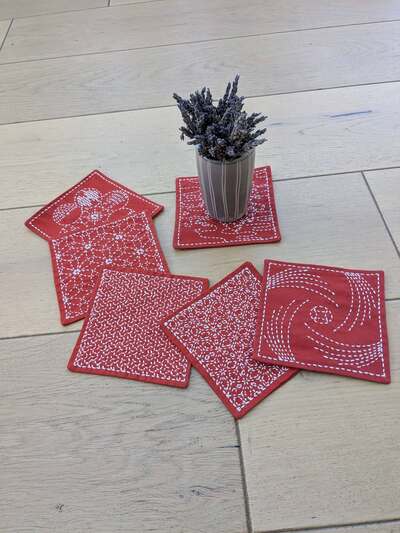
8. Coasters: Stitch small fabric squares to create durable and decorative drink coasters.
Visible Mending Projects
You create Sashiko stitched pieces that show visible mending projects.
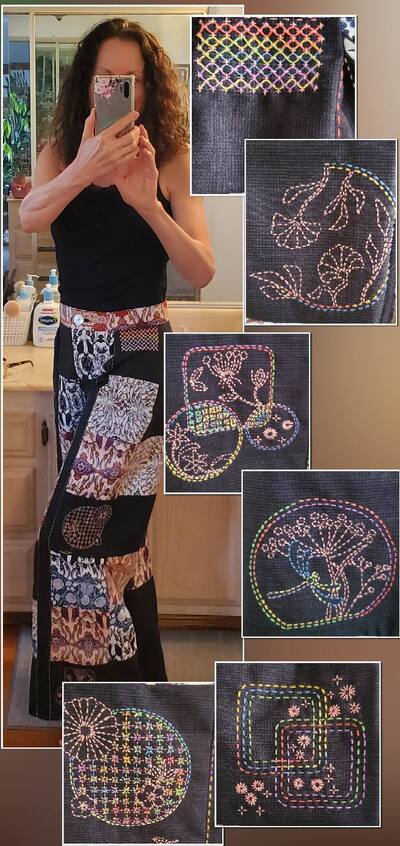
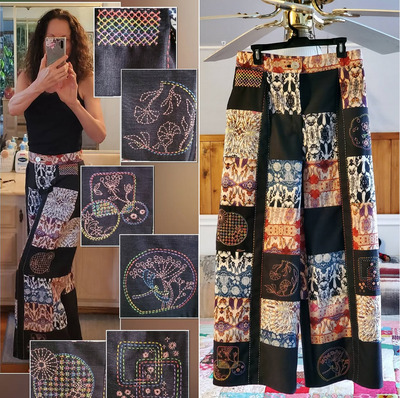
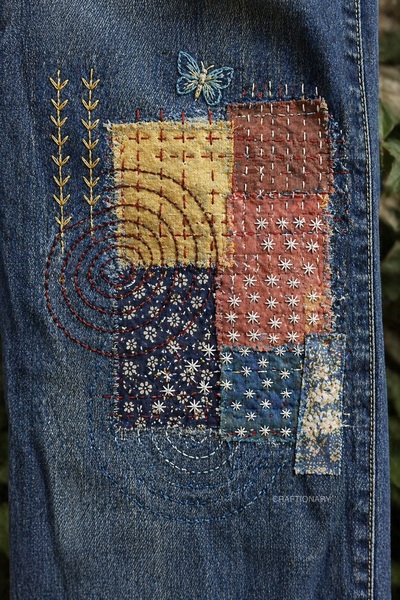
9. Pants: You can give your plain pants a new look by using contrasting stitches and fabric patchwork for visible artistic repair.
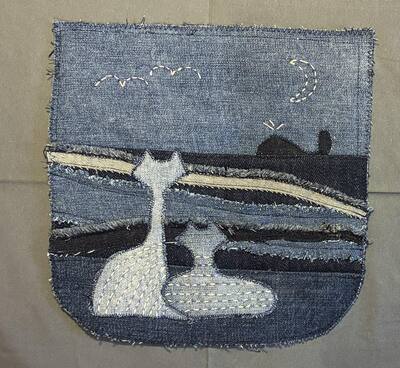
10. Old Jeans Artwork: Repurpose old pair of jeans into a useful project such a handbag by making layered Sashiko stitching landscape art.
Creative and Modern Craft Ideas
You can adorn your clothes and make them into beautiful wearable projects.
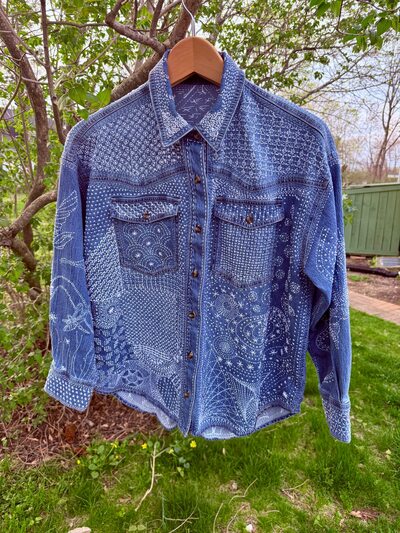
11. Jacket: Cover worn areas with bold stitched patterns for statement fashion. You can also find Hand Embroidered Jacket Ideas to get inspired.
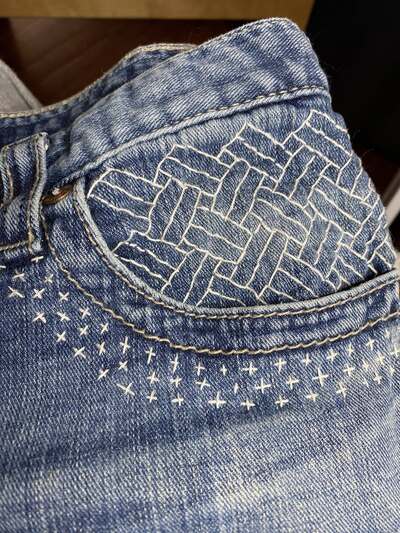
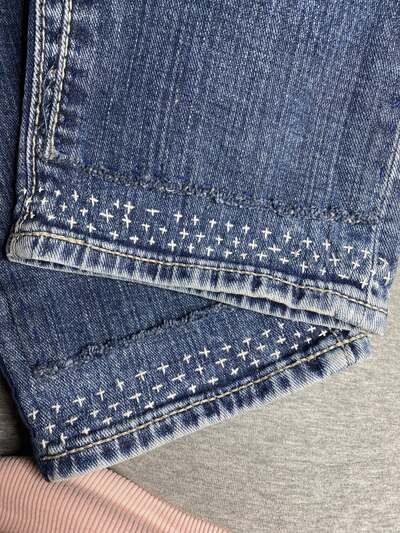
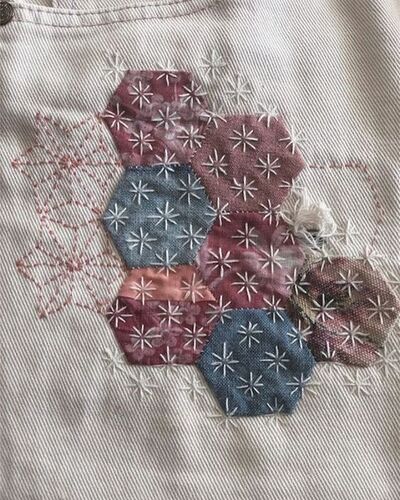
12. Jeans: Add a beautiful design with contrasting thread stitching.
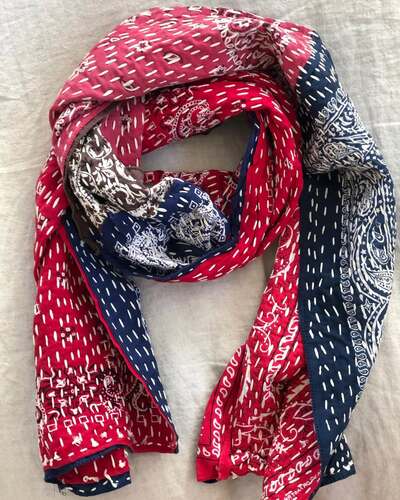
13. Scarf: Stitch lightweight patterns across fabric to create a soft, textured wearable accessory.
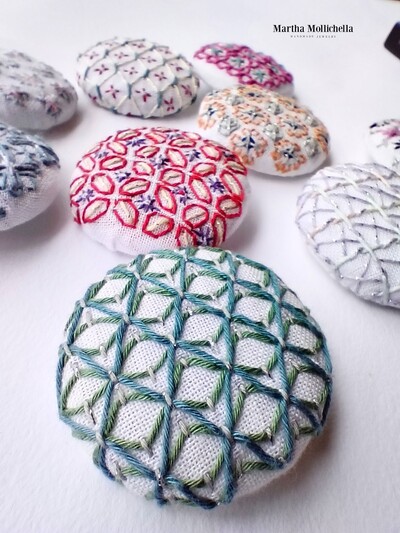
14. Brooches: Create small, stitched fabric brooches using layered geometric designs.
Upcycled Ideas
You can upcycle your material available at home to make useful pieces.
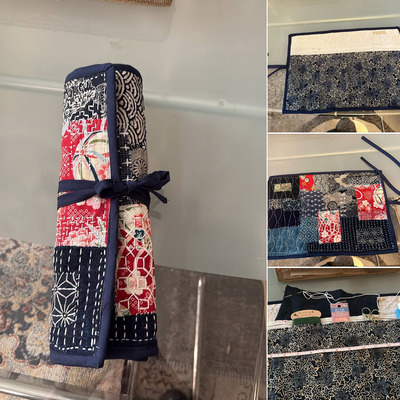
15. Project Travel Roll: You can design a roll-up pouch to organize tools using durable stitching.
16. Needle Book: You can craft a small book to store needles using layered stitched fabric.
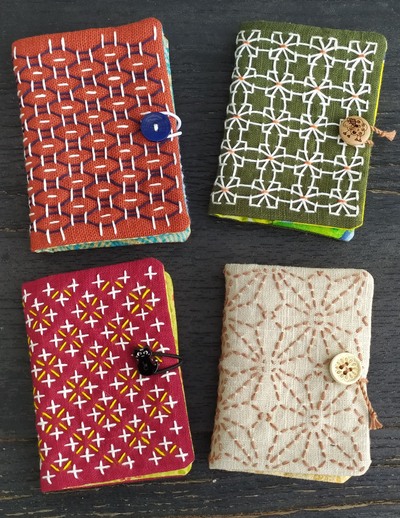
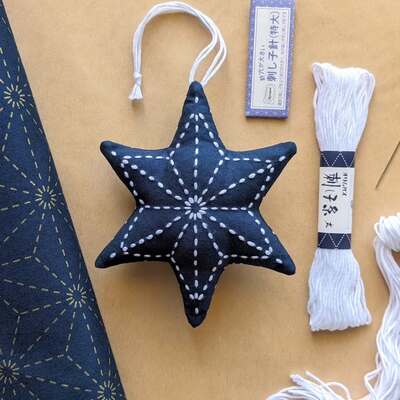
17. Christmas Star: Use fabric and basic Sashiko designs to create star-shaped ornaments for Christmas.
18. Bottle cover: You can wrap bottles in embroidered cloth for both ornamental and protective purposes.
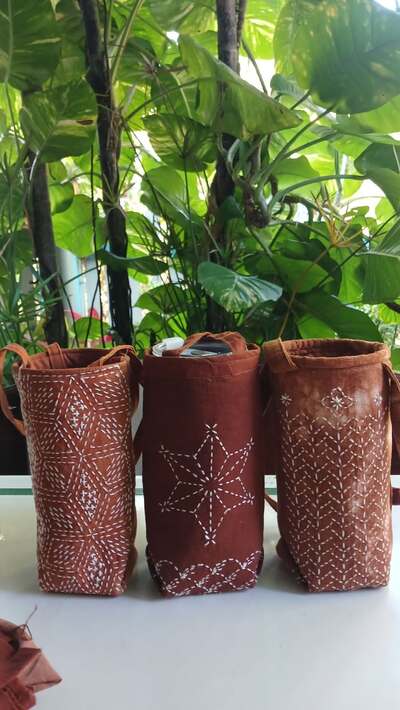
19. Spices Pouch: Make tiny, stitched bags that are perfect for safely keeping spices.
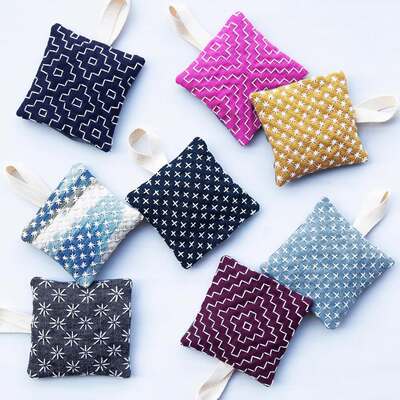
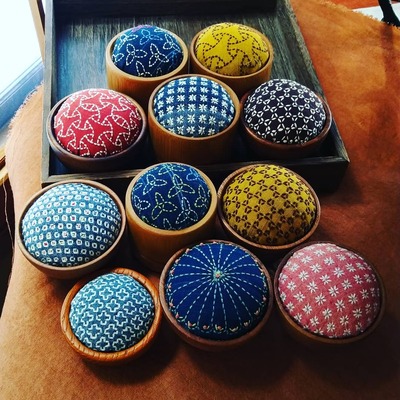
20. Pin Cushion: Use layered fabric and thick stitching to create a sturdy pin cushion.
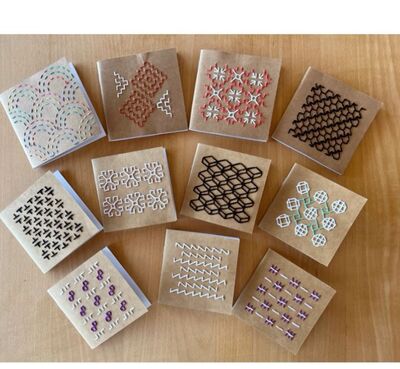
21. Greeting Cards: Make a variety of fun patterns in different colors on cardstock paper.
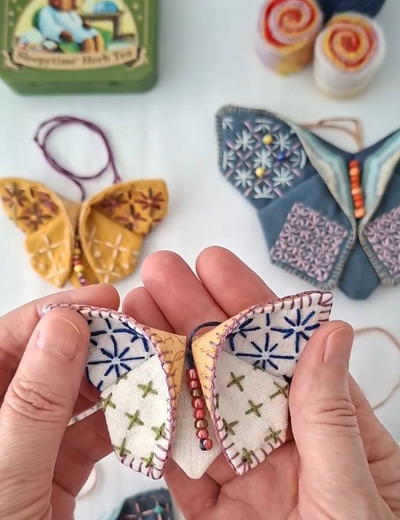
22. Textile Butterfly: For ornamental display pieces, create a fabric butterfly with embroidered wings.
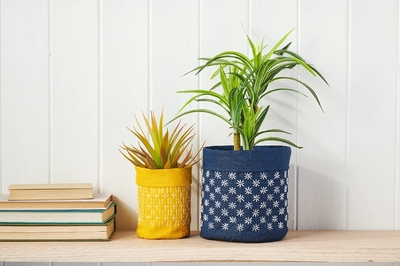
23. Embroidery Plant Pot: Add texture and visual appeal to pots by wrapping them in stitched fabric.
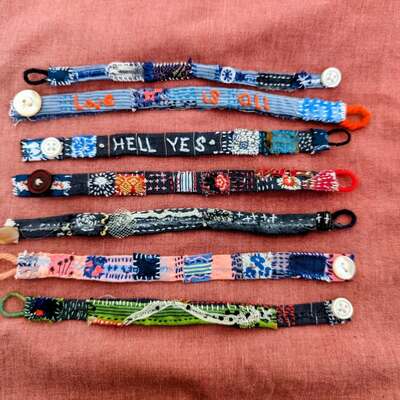
24. Scrap Fabric Bracelet: Create a fabric bracelet with pattern stitching for a special wearable accessory.
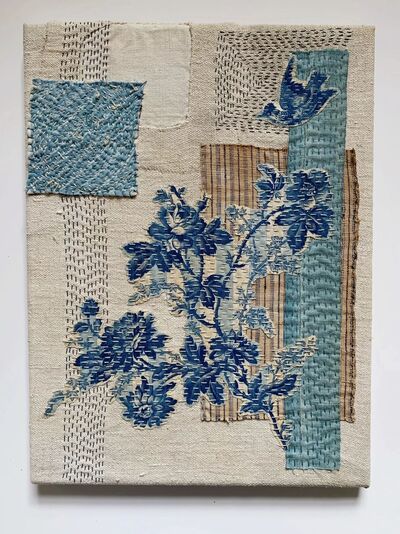
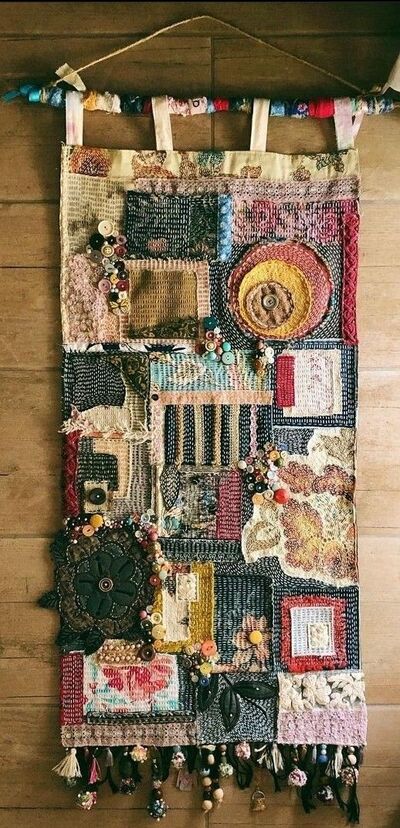
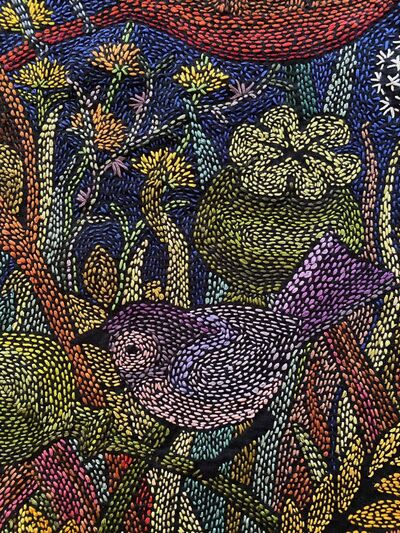
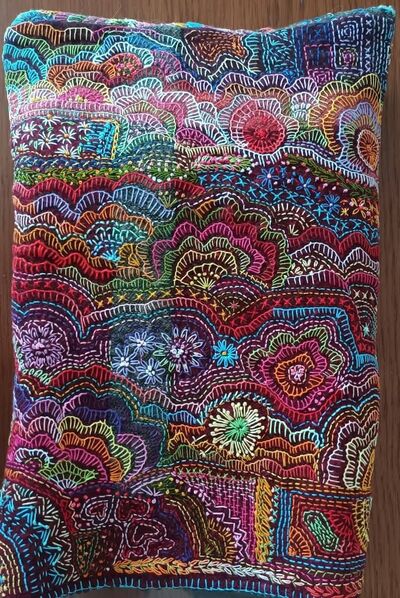
25. Sashiko and Patchwork: Use fabric scraps, hand sewing, and sashiko mixed media to create fantastic patterns.
Sashiko Artwork
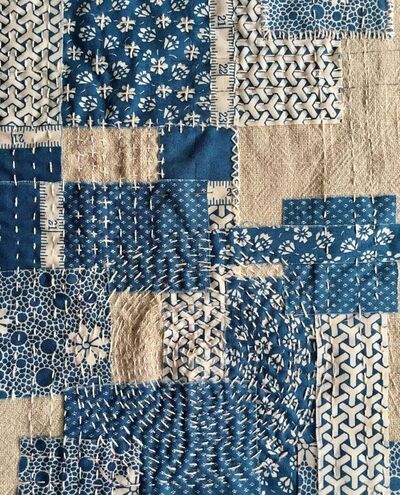

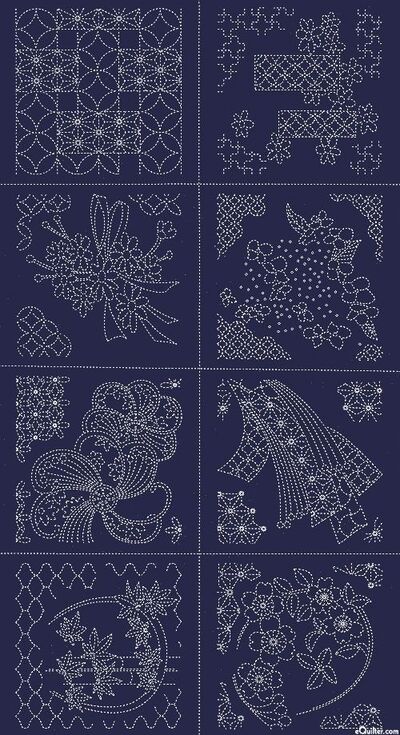
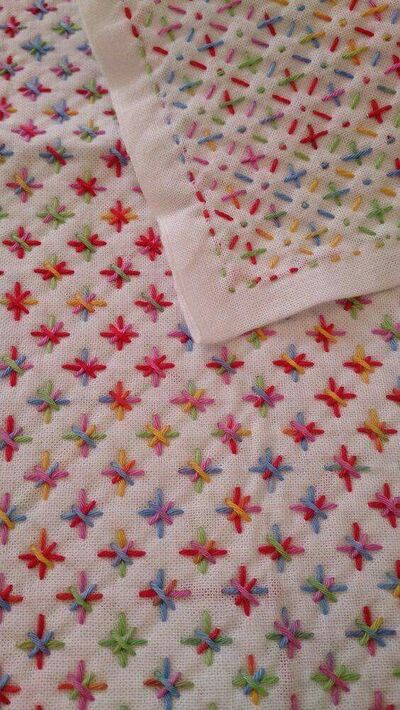
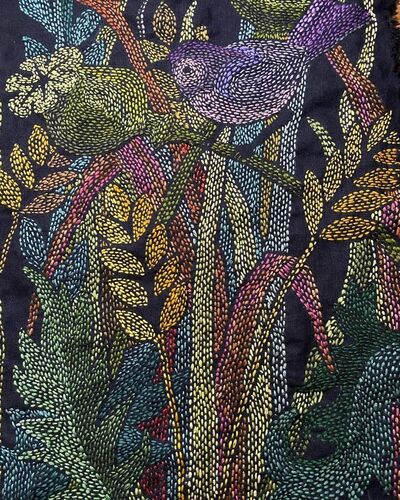
Fabric scraps and sashiko running stitch
Judy Coates Perez
30-Day Sashiko Stitching Pattern Challenge
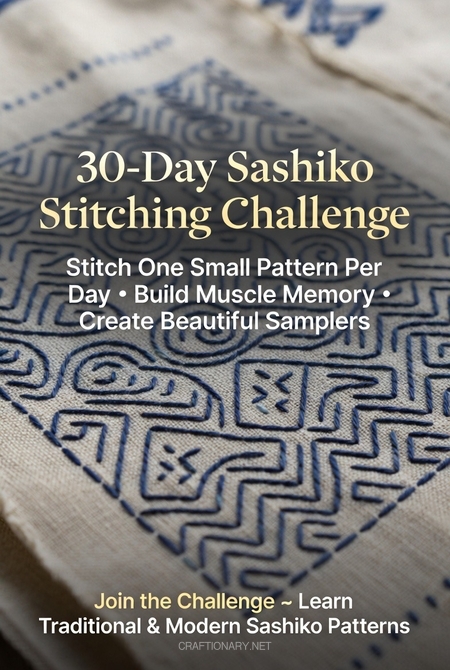
How to Use This Challenge?
- Stitch one small pattern per day (10–20 minutes)
- Use scrap fabric or create a sampler cloth
- Focus on even stitches, relaxed tension, and rhythm
- Repeat patterns if needed—progress matters more than speed
Week 1: Master the Basics (Build Muscle Memory)
Focus: straight lines, spacing, and stitch control
- Straight Running Lines: Practice evenly spaced horizontal lines.
- Vertical Lines: Focus on consistency and alignment.
- Diagonal Lines: Keep angles clean and stitches even.
- Grid Pattern: Combine horizontal + vertical lines.
- Parallel Line Practice: Maintain equal spacing between rows.
- Long vs Short Stitch Practice: Alternate stitch lengths for control.
- Simple Border Pattern: Create a clean stitched border.
Week 2: Beginner Patterns (Classic Foundations)
Focus: traditional geometric designs
- Checkerboard Pattern: Simple alternating squares.
- Cross Pattern: Intersecting lines forming crosses.
- Diamond Outline Pattern: Basic geometric repetition.
- Asanoha-Inspired (Simplified): Start with a basic star grid.
- Wave Lines (Seigaiha Inspired): Practice curved stitching.
- Zigzag Pattern: Focus on sharp angles.
- Triangle Repeat Pattern: Build consistency in shapes.
Week 3: Traditional Sashiko Patterns
Focus: authentic Japanese-inspired designs
- Asanoha (Hemp Leaf): Classic star pattern.
- Seigaiha (Ocean Waves): Layered semicircles.
- Kikk? (Tortoise Shell): Hexagon-based pattern.
- Yabane (Arrow Feathers): Sharp, repeating lines.
- Shippo (Seven Treasures): Overlapping circles.
- Sayagata (Linked Swastika Pattern): Continuous geometric flow.
- Star Grid Pattern: Combining symmetry and repetition.
Week 4: Creative and Modern Sashiko
Focus: personalization and artistic expression
- Freeform Stitching: No pattern—just flow.
- Minimalist Line Art: Abstract straight-line design.
- Nature-Inspired Pattern: Leaves, vines, or organic shapes.
- Visible Mending Patch: Repair fabric with decorative stitching.
- Layered Pattern Design: Combine two patterns.
- Mixed Direction Grid: Break symmetry intentionally.
- Personal Motif Design: Initials, symbols, or shapes.
- Dense Fill Pattern: Fill an entire section with stitches.
- Final Sampler Piece: Combine your favorite patterns into one project.
Pro Tips for the Challenge
- Keep Your Stitches Even
- Aim for consistent length—not perfection.
- Don’t Pull Too Tight
- Loose tension keeps fabric flat.
- Use Long Needles
- Load multiple stitches at once.
- Mark Patterns Lightly
- Use washable fabric markers
Creative Ways to Use Your Finished Pieces
By the end of 30 days, you can turn your sampler into:
- wall art
- cushion cover
- tote bag panel
- table runner
- patchwork quilt
Printable Challenge Tracker (Optional Idea)
You can create a printable with:
- 30 checkboxes
- mini pattern sketches
- space for notes
Sashiko is not about perfection—it’s about rhythm, patience, and mindful creativity.
Even 10 minutes a day can transform your skills in just one month.
Frequently Asked Questions
1. Can you use regular embroidery floss for Sashiko?
Yes, but it won’t look the same. Embroidery floss is shiny (mercerized) and meant to sit on top of the fabric. Sashiko thread is matte and meant to become part of the fabric. If using floss, use 4–6 strands for the right thickness.
2. Is Sashiko the same as Boro?
No. Sashiko is the stitching technique itself. Boro refers to the resulting garment that has been patched and repaired many times using Sashiko.
3. Do you need an embroidery hoop?
Actually, no! Traditional Sashiko is done without a hoop. Holding the fabric loosely in your hand allows you to pleat the fabric onto the long needle more efficiently.
4. Is Sashiko stitching the same as slow stitching?
Sashiko has specific methods and patterns, but they both take a mindful approach.
Sashiko stitching is ideal for both beginners and experts since it combines creativity, sustainability, and mindful crafting. Begin your Sashiko journey now, try out different patterns, and create meaningful artwork out of ordinary fabric. Explore new ideas, practice often, and create stunning, long-lasting patterns that truly reflect your unique style and imagination.
Drafted by: Alveena Nazir
Written by: Hani Shabbir
You will also like:
Slow Stitching: A Guide to Mindful Hand Sewing with Creative Ideas
Beginner’s Guide: Embroidery Journaling Your Threaded Story
15 Artistic Sewing Projects Tutorials to Elevate Your Stitching Skills