This post may contain affiliate links. Please see our full Disclosure Policy for details.
Have you ever picked up a needle and simply let your hands guide the thread, without worrying about perfect lines or patterns? That’s slow stitching—a mindful way to hand-sew where the joy comes from the process, not the finished piece. Using simple stitches on fabric scraps, it turns sewing into a tactile, calming experience. Inspired by Japanese Boro (Mending) and Sashiko, Indian Kantha, and traditional quilting, slow stitching has grown alongside the slow living and mindfulness movements, offering a creative break from busy, screen-filled days.
It’s for everyone—beginners wanting an easy start, artists exploring texture, quilters playing intuitively, or anyone seeking a calming, restorative craft.
What Is Slow Stitching?
Slow stitching is hand-sewing fabric scraps with simple, intentional stitches, where the focus is on the process rather than perfection. Unlike traditional embroidery that follows patterns, it celebrates small, imperfect marks that make each piece personal. It’s different from machine sewing, which is fast and uniform, or quilting, which relies on exact measurements. In slow stitching, you layer fabrics intuitively, choose threads instinctively, and let your piece evolve naturally—each stitch quietly tells your story.
Related: Sashiko Stitching: Art of Mindful Hand Sewing with Creative Ideas
The Philosophy and Popularity of Slow Stitching:
Slow stitching is about presence, intention, and celebrating imperfection—the gentle rhythm of hand-sewing calms the mind, turns scraps and old fabrics into meaningful creations, and allows each stitch to tell a story. Its appeal today comes from this combination of mindfulness, sustainability, and personal expression: people are drawn to the craft for stress relief, a break from screens, creative storytelling, and the joy of making something beautiful with their own hands, no matter their skill level.
Key Philosophy:
- Process over Product: There is no “right” way to do it.
- Imperfection is Beauty: Wonky lines and frayed edges add character.
- Sustainability: It’s a great way to upcycle old clothes and textile scraps.
How does it differ from other sewing?
- Embroidery: Pattern-focused, precise, decorative.
- Machine Sewing: Fast, even, functional.
- Quilting: Structured, measured, carefully planned.
- Slow Stitching: Intuitive, meditative, imperfect; the process is the reward.
Supplies Needed for Slow Stitching
Basic Tools
- Hand needle (milliners’ or sashiko needles work well)
- Cotton thread, Embroidery floss, or Perle cotton
- Fabric scraps (Linen, cotton, denim, muslin)
- Scissors
- Pins
Optional Tools
- Embroidery hoop (some prefer stitching without it for a better feel)
- Fabric Markers or chalk for light guidelines
- Found materials
- Old clothes and leftover fabric pieces
- Vintage linens and natural-fiber textiles
- Buttons from old shirts, lace, beads, and trims
- Hand-dyed cloth
Best Fabrics for Slow Stitching
The best fabrics for slow stitching are the ones that feel good in your hands and hold stitches well. You don’t need anything special—just materials that make stitching easy and enjoyable.
Good choices include:
- Linen and cotton for everyday stitching
- Muslin for practice and light projects
- Denim for visible mending and layered work
- Wool for warmth and texture
- Repurposed clothing for meaning and sustainability
Why does texture matter?
Fabrics with a bit of weight and weave hold stitches better and make even simple lines look more expressive.
Essential Slow Stitching Techniques
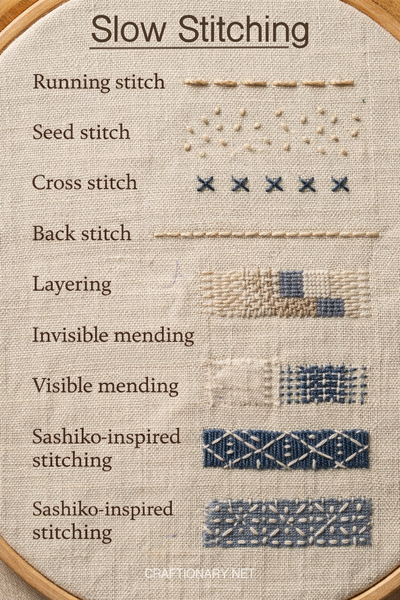
Slow stitching is simple. Its power comes from letting your hands and fabric guide the story. You don’t need advanced embroidery skills to get started. These simple stitches are perfect for beginners:
- Running Stitch: The basic stitch that flows across the fabric, giving a relaxed, rhythmic feel.
- Seed Stitch: Tiny, scattered stitches that add subtle texture and life.
- Cross Stitch: Adds texture and pattern.
- Back Stitch: Stronger lines for shaping or reinforcing, without losing handmade charm.
- Layering: Stack scraps to create depth and richness even in small pieces.
- Invisible vs Visible Mending: Turn holes into discreet repairs or bold design features; every stitch tells a story.
- Sashiko-Inspired Stitching: Repetitive, rhythmic patterns for decorative effect.
Note: Many slow stitchers borrow from traditional methods like Sashiko, but slow stitching isn’t a technique itself—it’s a mindful, personal way of working.
How to Start Slow Stitching?
1. Prepare Your Space
Find a comfortable, well-lit corner. Many practitioners like to light a candle or play soft music to enhance the mindfulness aspect of the craft.
Related: How to make a cozy home? (9 best tips for any decor style)
2. Select Your Base:
Pick a sturdy fabric like linen, cotton, or denim. Stronger fabrics hold stitches well and make layering or visible mending easier.
3. Arrange Scraps Intuitively:
Take your foundation fabric and begin layering your scraps on top without pins or rigid planning. You don’t need glue; you can use pins or “tacking” (long, loose stitches) to hold them in place temporarily. Let shapes, colors, and textures guide your design naturally.
4. Choose Thread Colors:
Let the fabric inspire your thread choice. Contrasting threads highlight texture; tonal threads blend for subtle effects.
5. Take the First Stitch:
Begin in a small area. Keep stitches loose to avoid puckering, and don’t stress about straight lines—imperfection adds charm.
6. Let the Needle Lead:
Don’t overthink the design. If you feel like adding a blue thread next to a red scrap, do it. If your stitches aren’t perfectly straight, let them wander. This is where the creative calm happens.
7. Know When It’s Done:
Stop when the piece feels complete, not perfect. Overworking flattens texture; each stitch should tell a little story. Enjoy the process — there are no mistakes
Beginner Level Slow Stitching Projects
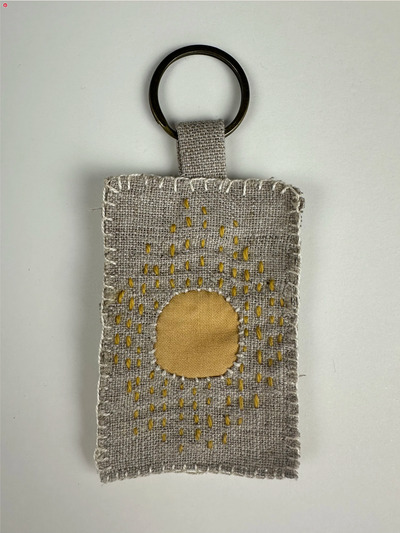
1. Slow Stitched Keyrings:
Tiny fabric pieces stitched with simple running stitches to practice spacing and tension.
Rebeka Johnston
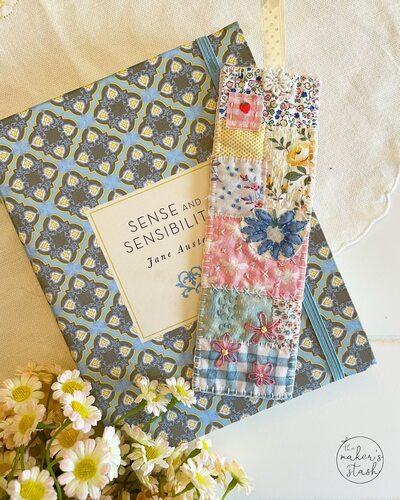
2. Slow Stitch Bookmarks:
Repurpose fabric scraps from a sewing project to make sweet slow stitched bookmarks.
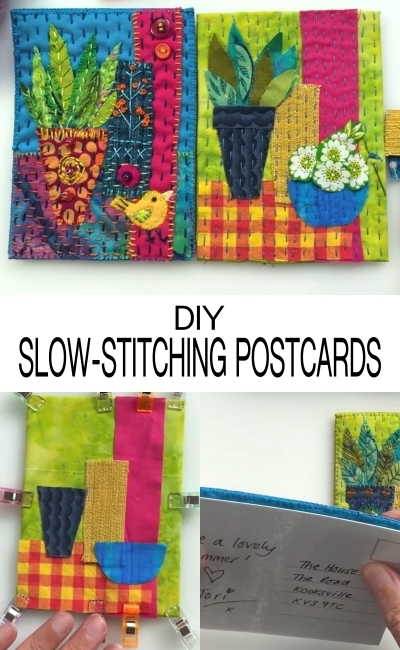
3. Slow Stitching Fabric Post Cards:
Flat fabric cards stitched with words or motifs and backed with cardstock.
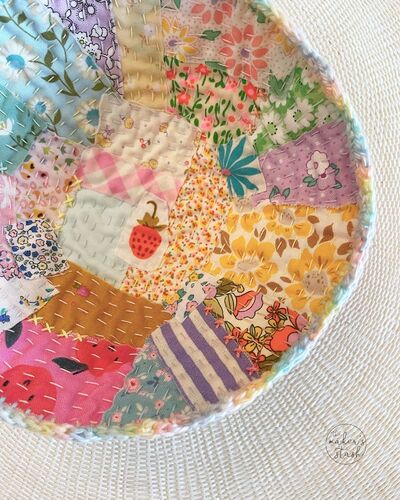
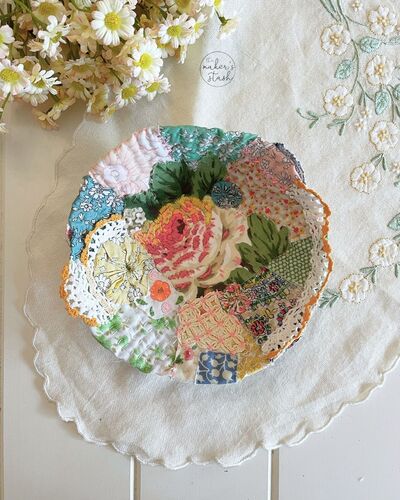
4. Slow Stitching Textile Bowl:
Slow stitch on modern quilting fabric scraps and stitch them together to form a fabric pinch pot.
The Makers Stash
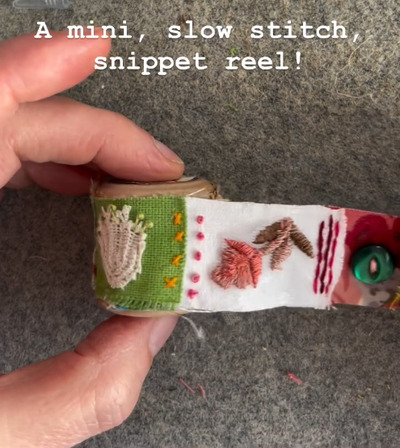
5. Slow Stitch Snippet Reel:
A stitched strip or wrap for holding scraps and threads — no measuring, no fitting. This is great for practicing mindfulness with no resulting product.
6. Slow Stitching Pincushions:
Save those tiny scraps from the bin and stitch up a cute pincushion instead, they make a perfect gift for your stitchy friends.
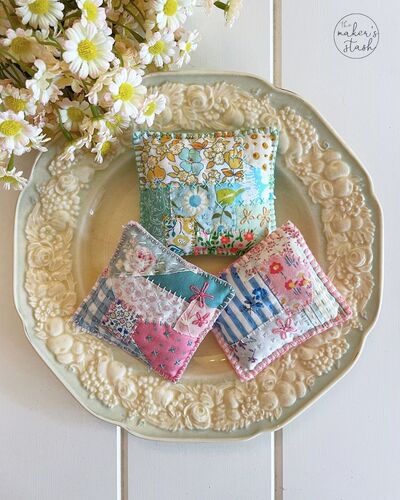
The Makers Stash
Intermediate Level Slow Stitching Projects
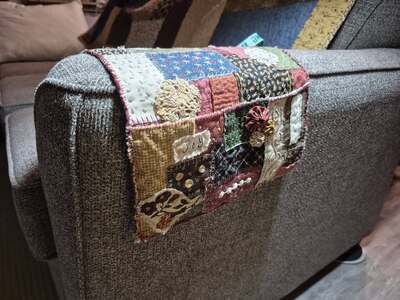
7. Slow Stitched Organizer:
Stitch the base panel first, add pockets by top-stitching layers, then edge bind to make a couch caddy with pockets for holding remote controllers.
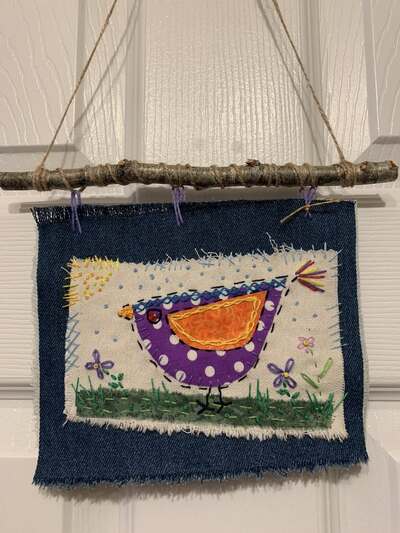
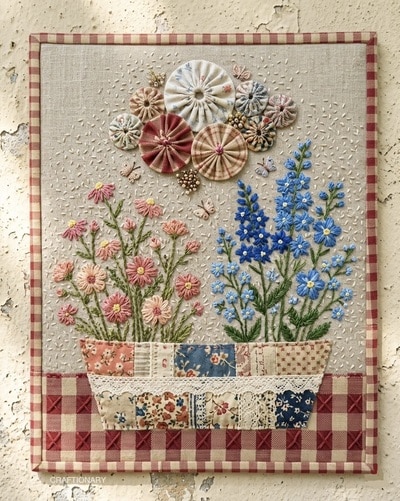
8. Slow Stitched Entryway Wall Hanging:
Stitch decorative panels, reinforce the top edge, and add hanging loops or a rod pocket.
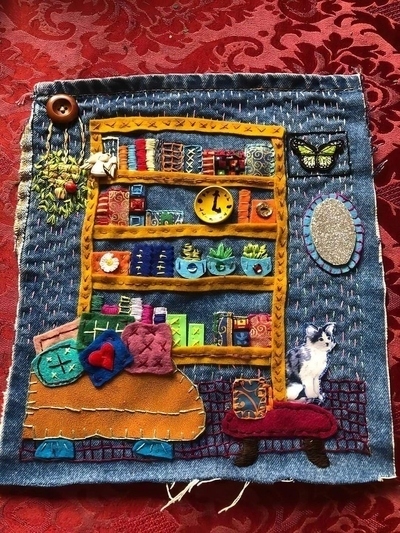
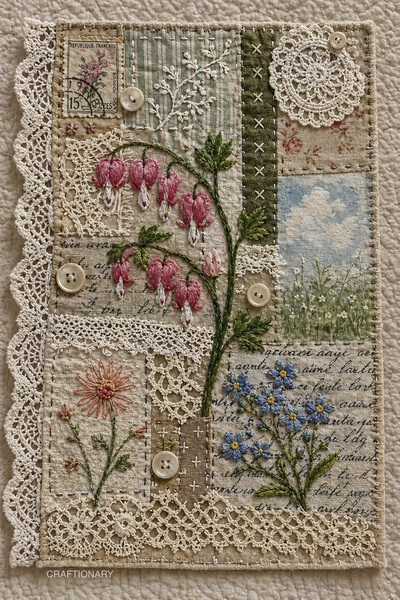
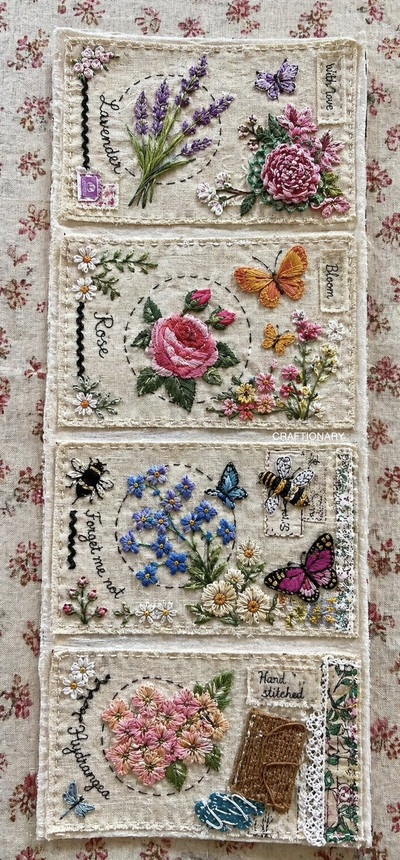
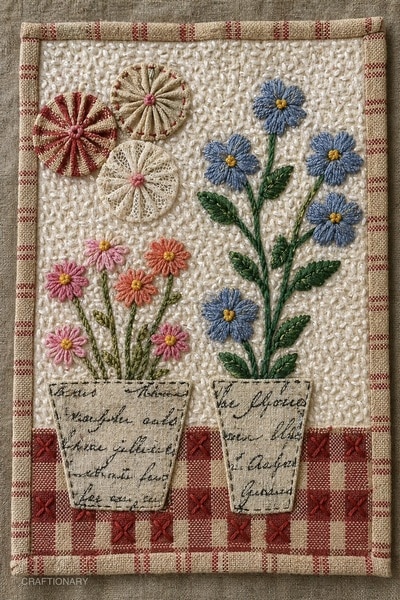
Fabric patchwork and yoyo flowers with hand embroidery.
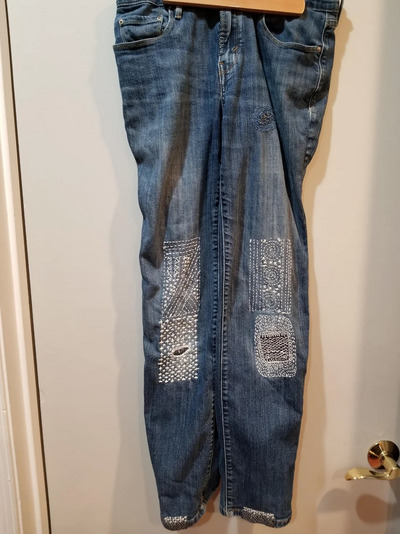
9. Slow Stitch to Reinforce Worn-out Jeans:
Place the patch under the worn area and stitch over it with strong running or sashiko-inspired stitches.
Related: 30 Most Popular Floral Hand Embroidered Jeans Ideas
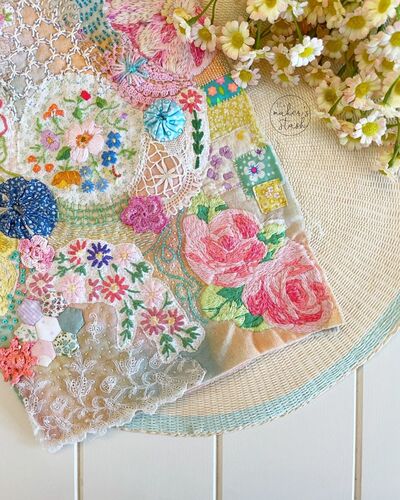
10. Slow-Stitched Table Runner:
Stitch long fabric panels with repeated patterns, then reinforce edges for durability to make coasters, desk mat, pot holders, place mats, or even lap blankets.
The Makers Stash
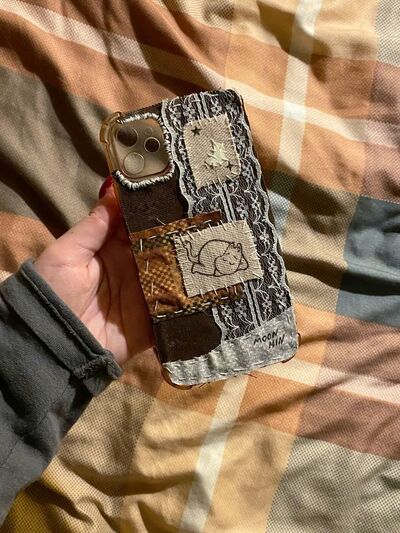
11. Slow-Stitched Phone Case:
Stitch fabric layers to the size of your phone case, then fold and edge stitch for structure to use as phone case insert.
Ollestk
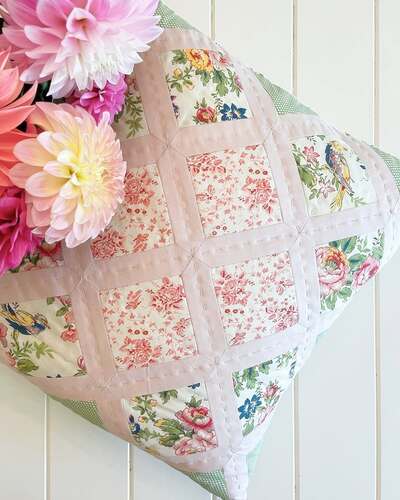
12. Slow Stitched Pillow Cover:
A combination of quilting techniques and slow stitching on your favorite quilt fabric.
The Makers Stash
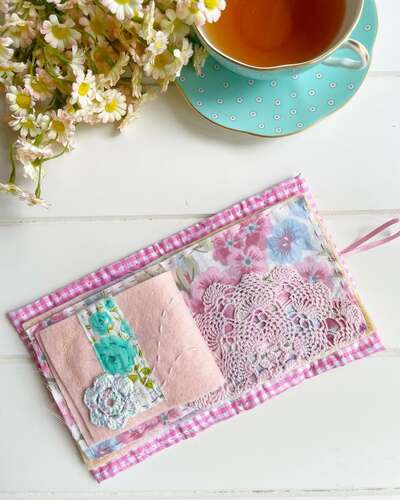
13. Slow Stitched Needle Book:
Fold fabric into pages, stitch layers together at the spine, and add a simple closure.
The Makers Stash
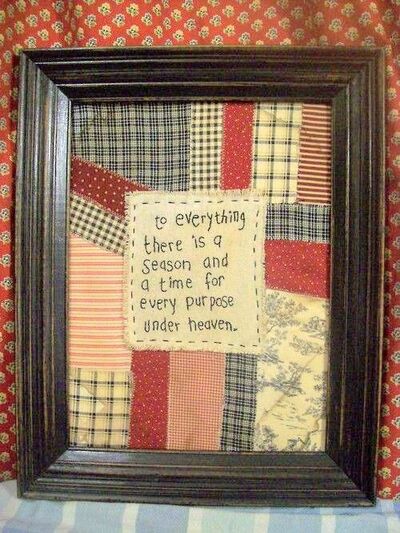
14. Slow Stitched Messages and Quotes Frame:
Fabric panels stitched with quotes or dates as keepsake framed art.
Angie Bailey
Related: 40 Meaningful Memory Keepsake Ideas to Treasure Life
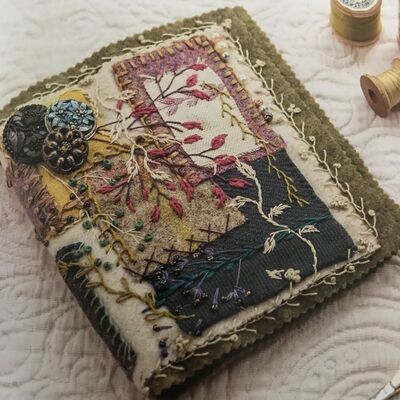
15. Slow Stitched Fabric Book Cover:
Measure book size, stitch design on fabric panel, then hand-sew cover sleeve edges.
Colette Lister
Related: DIY Painted Fabric Patchwork Art: Easy No-Sew Fabric Crafts
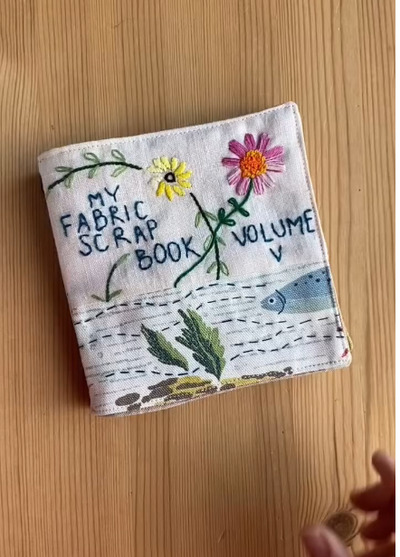
16. Slow Stitched Scrapbook Journal:
Create fabric pages, stitch designs, then bind pages together with a running stitch.
Related: Beginner’s Guide: Embroidery Journaling Your Threaded Story
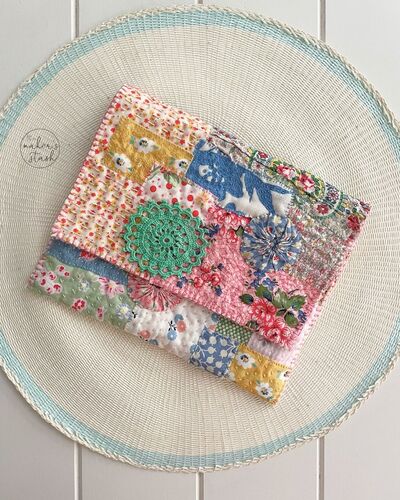
17. Slow Stitched Pouch:
Layer the outer fabric and lining, stitch the surface design first, then assemble the pouch by hand.
The Makers Stash
Advanced/ Expressive Slow Stitching Projects
18. Slow Stitched Kawandi Quilt (Square- Shaped):
Create stitched panels, join them into blocks, then hand-quilt for the final finish.
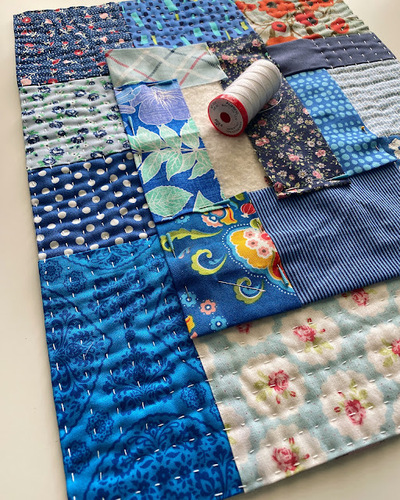
Samelia’s Mum
19. Slow Stitched Wall Quilt:
Assemble a large fabric base, layer the prepared scraps, stitch the surface, then bind the edges.
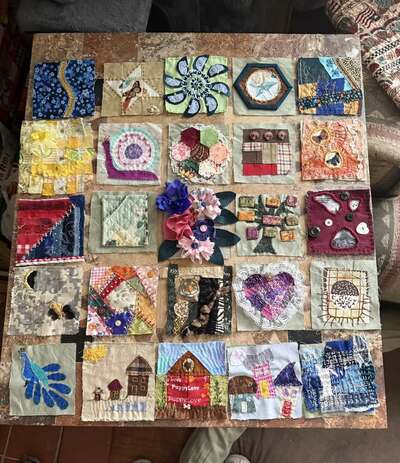
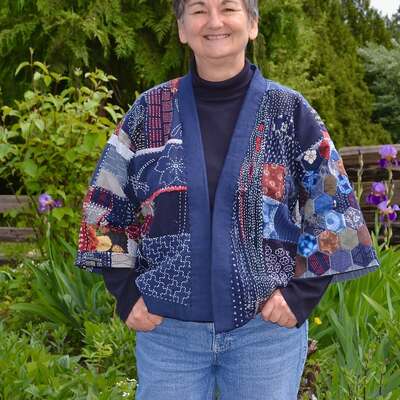
20. Slow Stitched (Boro Style) Jacket:
Patch worn areas with fabric pieces and secure using dense running stitches.
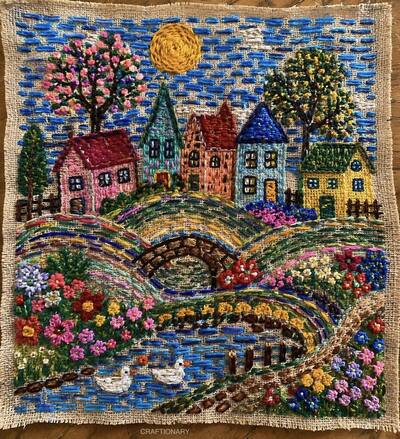
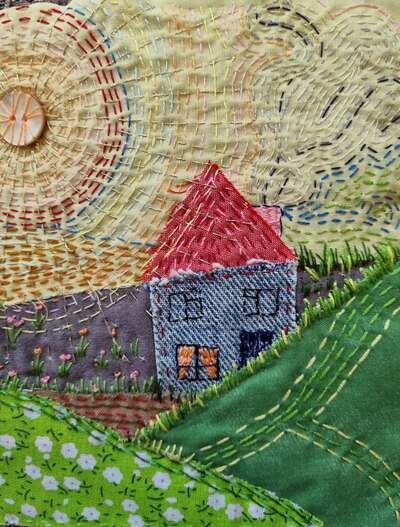
21. Slow Stitch Landscape Art:
Sketch scene lightly, build background with fabric layers, stitch details last.
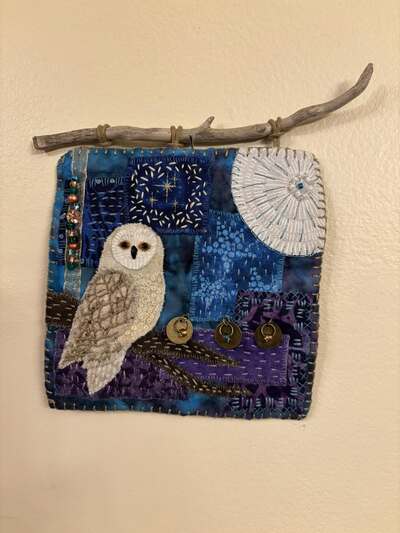
22. Slow Stitched Owl Panel:
Appliqué owl shape onto base fabric, then define features with hand stitching.
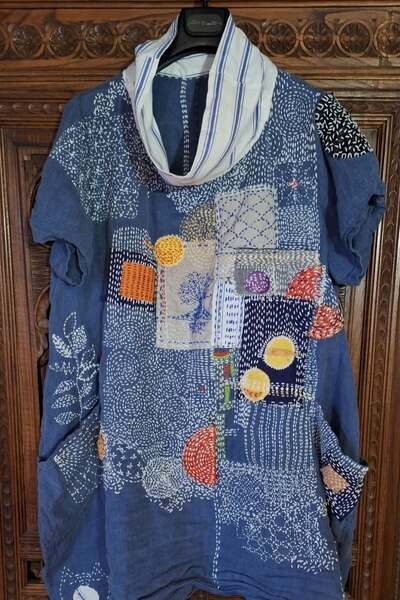
23. Slow Stitched Gardening Dress:
Reinforce stress areas with stitched patches and decorative seams.
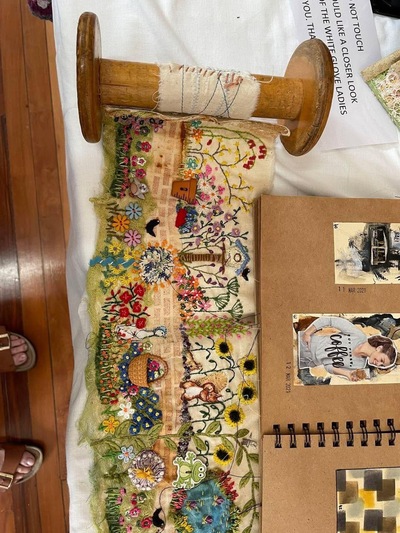
24. Slow Stitching Story Roll
Beautiful way to hand stitch a story on a spool
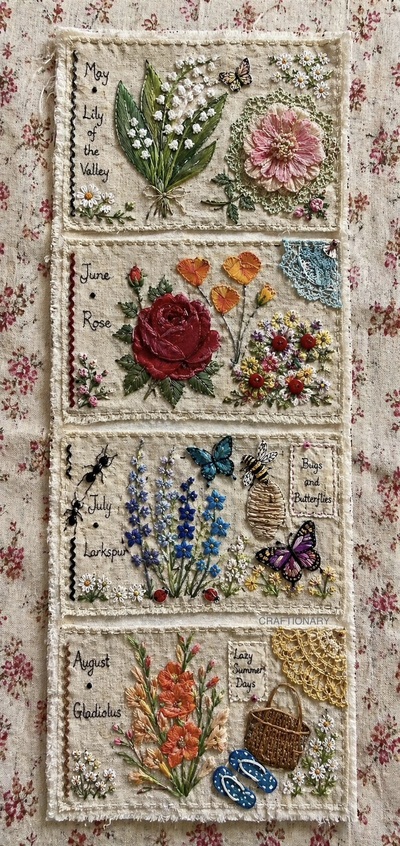
25. Slow stitching journaling
Create a panel and slowly stitch symbols and items related to a month to complete a 12-month journal. Learn more about Embroidery Journaling Your Threaded Story.
Fabric patchwork and yoyo flowers with hand embroidery.
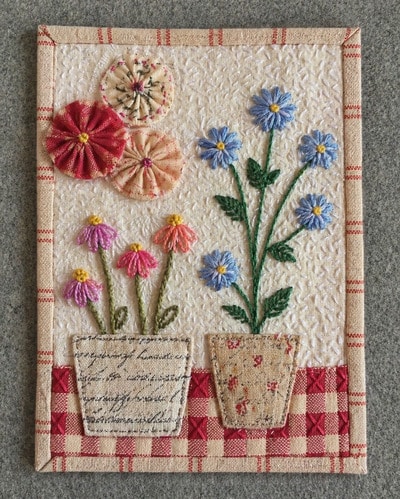
A simpler version:
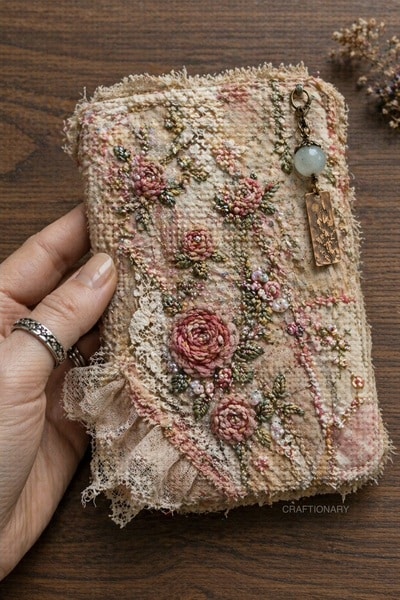
26. Slow stitching book cover
A combination of cross stitch work, embroidery and patches of fabric and laces to create a vintage book cover.
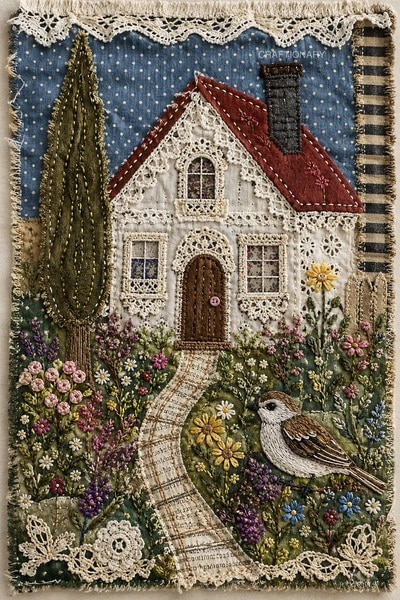
27. Patchwork and Embroidered Landscape Art
Use slow stitching with various scraps of fabrics, unique vintage collection items, and embroidered to make unique artwork.
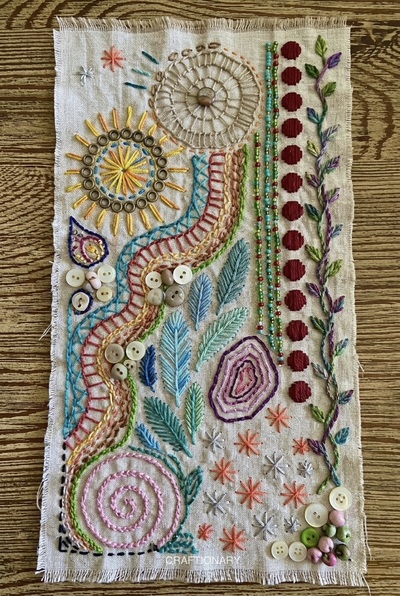
28. Embroidery Stitches On Fabric
Practice various embroidery stitches on a piece of fabric.
29. Line Embroidery Landscape
Use a combination of line art and embroidery techniques to create a stunning landscape scene.

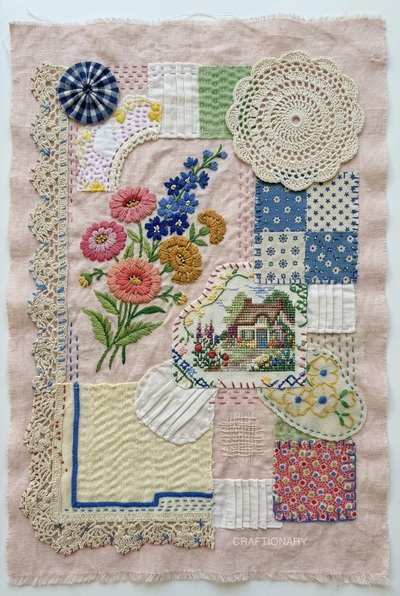
30. Collection on a fabric
Slow stitching a collection of art pieces and vintage keepsakes on a piece of fabric to create a collage.
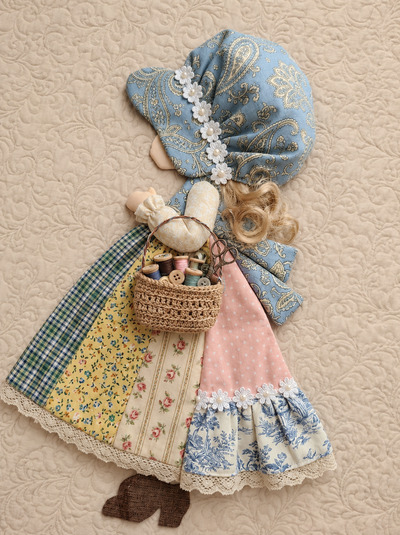
31. Patchwork doll
Inspired by sea stitches this adorable doll is stitched with patches of fabric on a quilt.
Frequently Asked Questions
1. Do you need to be good at sewing?
Not at all! Slow stitching is forgiving. Even the simplest stitches look charming, and part of the joy is seeing how your own hand shapes the fabric.
2. What thread works best for slow stitching?
Perle cotton or embroidery floss is a great choice—it’s strong, smooth, and shows texture beautifully. Pick colors that make you happy, not just what “matches.”
3. Is slow stitching the same as Sashiko?
Not exactly. Sashiko is a traditional Japanese technique with set patterns and a functional mending purpose. Slow stitching is broader and more personal—it’s about mindfulness, creativity, and turning scraps into stories.
4. Where can you find free patterns to use for slow stitching?
Lots of makers share ideas online on Pinterest, blogs, or sewing groups. But honestly, with slow stitching, your scraps, memories, or favorite shapes can become the pattern—there’s no right or wrong.
Common Pitfalls to Avoid
- Over-planning: Resist the urge to measure or pin everything. Let your hands lead; the magic comes from intuitive placement.
- Tense stitches: Keep your thread loose. Tight stitching puckers the fabric and takes away the soft, relaxed feel.
- Comparison trap: Your work will never look like anyone else’s—and that’s the point! Embrace the imperfections; they make it yours.! Embrace the imperfections; they make it yours.
- Rushing: Slow stitching is about slowing down. Don’t treat it like fast embroidery; enjoy the process, not just the end result.
Slow stitching isn’t about making something perfect — it’s about slowing down and enjoying the feel of fabric and thread in your hands. You don’t need patterns, special tools, or experience to begin. Start small, stitch freely, and let confidence grow with every piece.
So don’t overthink it. Pick up a needle today and take your first slow stitch.
The calm you feel while stitching is the real result.
Drafted by: Sabah Waqas
Written by: Hani Shabbir
You will also like:
30 Practical Craft Uses for Cross Stitch Artwork
Beginner’s Guide: Embroidery Journaling Your Threaded Story





I love your post about slow stitching – my favourite kind of neeedle and thread projects. So support a group of women to encourage stitching and would love to share your post and photos with them. Would that be OK?
Hello Sally, by sharing if it means opening the webpage on your presentation screen or sharing the link to the article with your audience for reference that is permissible. However, I cannot allow printing the article and sharing. Thank you!