This post may contain affiliate links. Please see our full Disclosure Policy for details.
Keeping ties organized in your closet not only saves space but also helps you quickly find the right necktie for work, special occasions, or casual wear. Whether you have a handful of ties or a large collection, there are multiple ways to store them neatly while protecting the fabric. In this guide, we’ll cover tie storage solutions, organization tips, and the best ways to keep ties wrinkle-free at home.
Why Organizing Your Ties Matters
Beyond the aesthetic appeal, effective tie organization offers several benefits:
- Time-Saving: Quickly locate the perfect tie for any outfit, especially for busy mornings.
- Preservation: Prevent wrinkles, creases, and damage to silk and delicate fabrics.
- Space Optimization: Maximize the use of your closet space.
- Reduced Clutter: Maintain a tidy and serene closet environment.
- Improved Visibility: Easily see your entire collection at a glance, encouraging rotation and use.
Key Considerations Before You Start
Before diving into specific organization methods, take a moment to assess your collection and preferences:
- Declutter: Go through your ties. Discard or donate any that are damaged, outdated, or you no longer wear. Be ruthless!
- Quantity: How many ties do you own? This will influence the type of storage solution you need.
- Closet Space: Evaluate available hanging space, drawer space, or shelf space.
- Accessibility: How often do you wear ties? Do you need them at arm’s reach or are you okay with a slightly less accessible solution for less-worn ties?
- Budget: Tie organization solutions range from DIY hacks to sophisticated custom systems.

Key Ways to Organize Ties in Your Closet
Here are the most effective ways to organize your neckties, catering to different needs and closet setups:
1. Hanging Tie Racks
Hanging tie racks are a classic and popular choice, ideal for keeping ties wrinkle-free and visible.
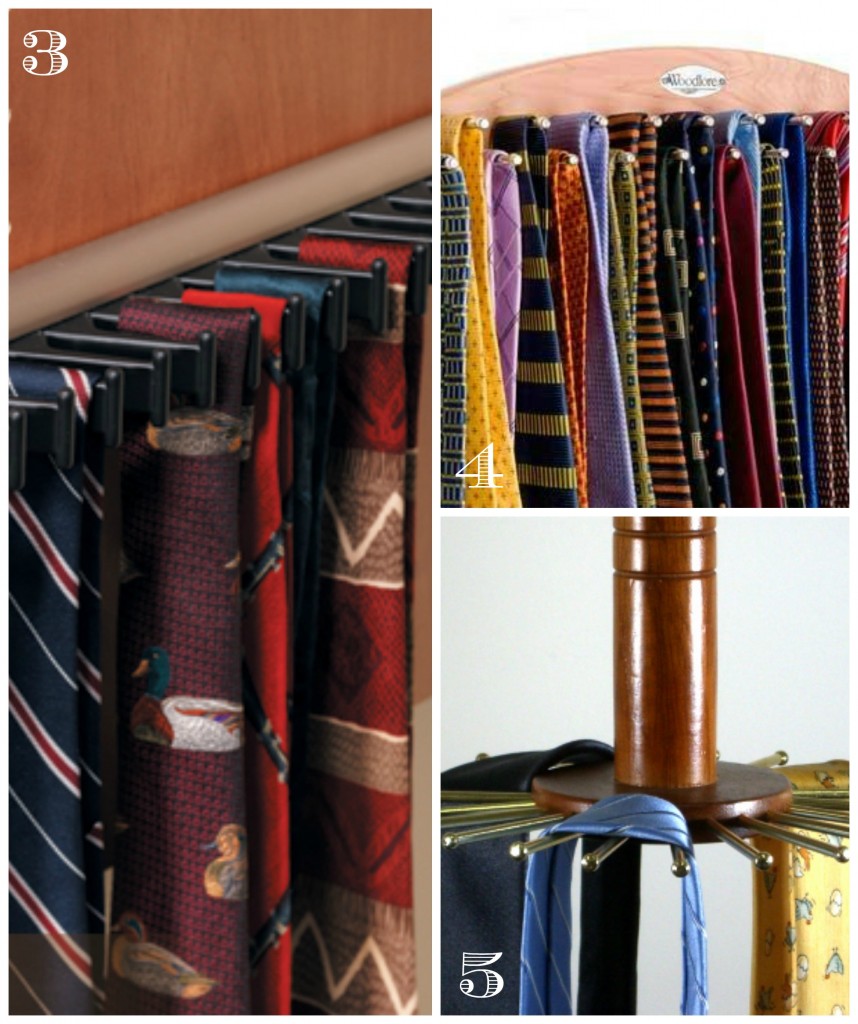
1) Standard Tie Hangers:
These often resemble regular clothes hangers but feature multiple hooks or slots for ties. Save space with slim hangers great for small closets or apartments.
Pull-Out Tie Racks: Slide-out versions fit inside closet systems.
Rotating Tie Racks: Motorized or manual versions make selection easy.
- Pros: Very affordable, easy to install, good visibility.
- Cons: Can sometimes be bulky, ties might slip off if not designed well.
2) Motorized Tie Racks:
For a touch of luxury and convenience, motorized racks rotate to display your ties at the touch of a button.
- Pros: High-tech, excellent display, prevents tangles.
- Cons: More expensive, requires power.
3) Wall-Mounted Tie Racks:
If you have empty wall space inside your closet, wardrobe door, or bedroom, these can be a great space-saver.
- Pros: Frees up hanging rod space, custom placement.
- Cons: Permanent installation, requires drilling.
4) Closet Rod Rings/Hooks:
Simple rings or hooks that slide onto your existing closet rod, each holding one or more ties.
- Pros: Extremely affordable, flexible, good for smaller collections.
- Cons: Can clutter the rod if too many are used.
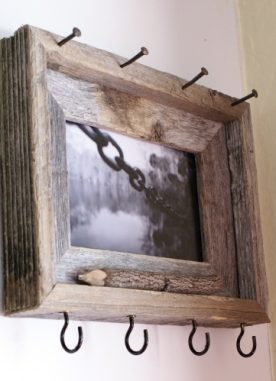
DIY: You can also make a custom ties rack. Drill some screws into a wooden block and hang it on the wall. You can also use drawer knobs for hanging ties.
How to Use: Hang ties individually or grouped by color/pattern. Ensure they hang freely without creasing.
2. Drawer Dividers and Inserts
If you prefer a clean, hidden look or have ample drawer space, drawer organizers are an excellent solution.
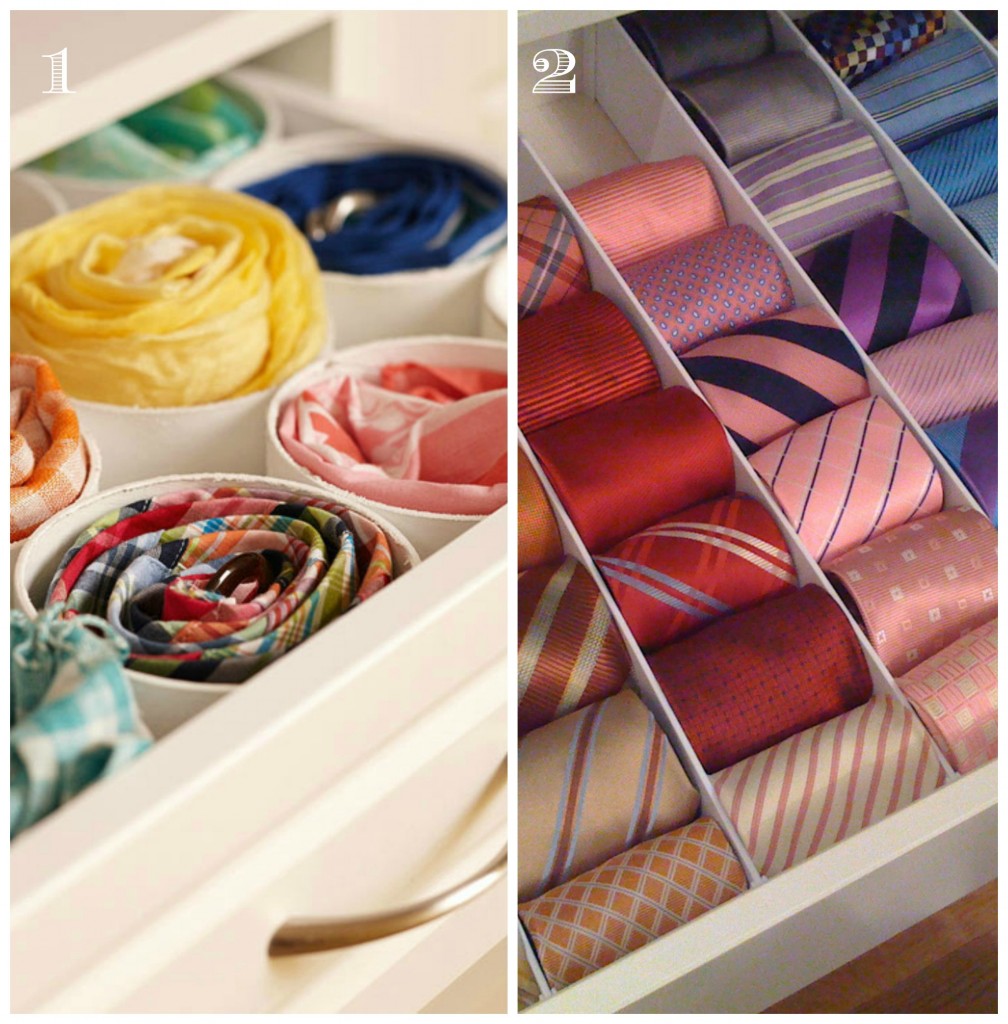
1) Divided Drawer Inserts:
These custom-fit inserts create individual compartments for each tie, keeping them neatly rolled or folded. It comes with sticky dividers and plastic bars you can cut to your drawer size. You can also use plywood and strong glue for this custom drawer storage.
- Pros: Very tidy, excellent protection from dust and light.
- Cons: Requires rolling/folding each tie, uses up valuable drawer space.
2) Tiered Drawer Organizers:
Some inserts feature multiple levels, allowing you to store more ties in the same footprint.
- Pros: Maximizes vertical drawer space.
- Cons: May make the bottom ties less accessible.
DIY: Cut circles of pvc pipes. And use them to store your ties in the drawers. You can also use them as scarves and belt storage.
How to Use: Roll each tie from the narrow end towards the wider end, then place it in a compartment. Alternatively, fold them neatly in thirds.
3. Storage Boxes and Cases
For the dedicated collector or those with limited closet space, specialized tie boxes and cases offer a sophisticated storage option.
1) Individual Tie Travel Cases:
Perfect for protecting a single tie for business trips.
2) Multi-Tie Storage Boxes:
Often made of wood or leather, these boxes have individual slots or velvet-lined compartments. There are fabric or acrylic boxes with compartments too that keep ties neat. Ideal if you have ties you wear only occasionally.
- Pros: Elegant display, excellent protection, portable.
- Cons: Can be expensive, takes up shelf or dresser space.
How to Use: Roll or fold ties neatly and place them in their designated slots.
4. Shelf Dividers and Baskets
For open shelving, these options can help maintain order.
1) Shelf Dividers:
Create distinct sections on a shelf where you can stack rolled or folded ties.
- Pros: Cost-effective, good for visual organization.
- Cons: Ties can still shift if not placed carefully.
2) Decorative Baskets:
Use small, attractive baskets to hold rolled ties.
- Pros: Adds a decorative touch, keeps ties contained.
- Cons: Ties at the bottom can be harder to see.
How to Use: Roll ties and place them vertically or horizontally within the divided sections or baskets.
5. DIY Tie Storage Ideas
- Repurpose a coat rack with hooks.
- Use wooden dowels fixed to a closet wall.
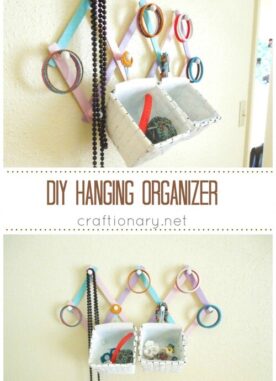
- Upcycle an old jewelry organizer into a tie holder.

This is a simple storage solution. All you need is a zipper storage bag. It helps if your bag is transparent. So the tie can easily be chosen. And grabbed to take out! Simply role the ties and wind them with a rubber band. Place them in the bag and you are done.
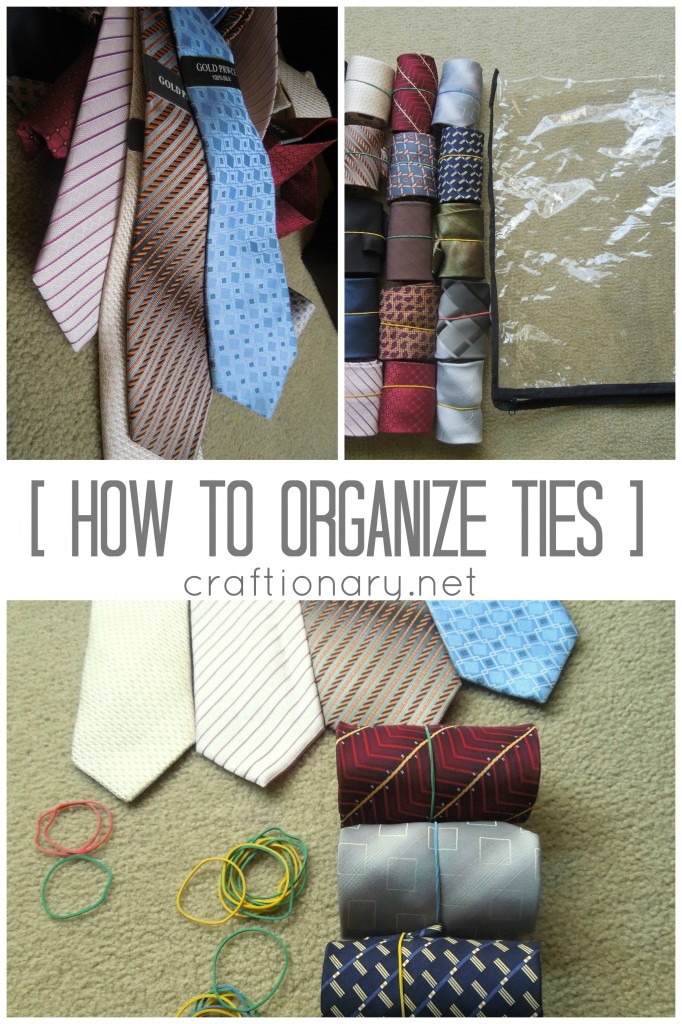
Ties organization like this is great for any space. You can hang the bag with a small loop on the hanger. You can just toss in into a drawer. Keep the zipper side facing yourself.
How to Fold or Roll Ties for Storage
- Rolling: Best for knit or casual ties. Roll loosely and place in drawers.
- Draping: Hang on racks to avoid creases.
- Folding: Fold gently in thirds if storing in boxes or drawers.
Expert Tips for Maintaining Your Organized Tie Collection
- Regular Maintenance: Don’t let your system fall apart. Always put ties back in their designated spot immediately after wearing.
- Categorize: Group ties by color, pattern, occasion (e.g., formal, casual), or season (wool or linen). This streamlines selection. Store expensive silk ties away from sunlight and moisture.
- Rotate: Make an effort to wear all your ties. This keeps them from sitting unused and helps you appreciate your entire collection.
- Invest in Quality: A good quality tie organizer will last longer and protect your ties better.
- Lighting: Ensure your closet has adequate lighting so you can clearly see your tie options.
Common Questions About Tie Storage
1. Should you roll or fold your ties?
Rolling is generally preferred as it minimizes creasing and takes up less space in drawers or boxes. Folding is acceptable if done neatly, but can create a horizontal crease.
2. Should ties be hung or folded?
Hanging is ideal for daily-use ties; folding works for long-term storage.
3. How do you prevent ties from wrinkling?
The best way is to hang them freely on a dedicated tie rack or roll them loosely in a drawer organizer. Avoid stuffing them into drawers or over standard clothes hangers.
4. How do you organize a large tie collection?
For large collections, a combination of methods often works best. Use hanging racks for your most frequently worn ties and drawer organizers or tie boxes for the rest.
5. Where is the best place to store ties in a small closet?
Wall-mounted racks, compact hanging tie hangers, or utilizing a small drawer with an insert are excellent options for small closets.
6. How do you clean your ties?
Always check the care label. Many ties are dry-clean only. For minor spots, a gentle dab with a damp cloth might work, but professional cleaning is usually safest.
7. How do you organize ties by color or pattern?
Most people organize by color (e.g., all blues together, all reds together) or by pattern (solids, stripes, paisleys). This makes it easy to find a tie that complements your shirt.
8. What’s the best tie storage for travel?
Individual tie travel cases or a garment bag with a tie pocket are ideal for keeping ties pristine on the go.
9. How do you store ties when traveling?
Use a travel tie case or roll ties and place them in packing cubes.
10. How many ties can a tie rack hold?
It depends on the model—standard racks hold 20–30 ties.
Organizing your neckties doesn’t have to be a daunting task. By choosing the right storage solutions and implementing a system that suits your needs, you can transform your closet into a functional and elegant space. Say goodbye to tie tangles and hello to effortless style every day!
You will also like:
How to get organized? Top Practical Home Tips






what a perfect post to get us all ready for the upcoming father’s day holiday!
I love these ideas. I especially like the pvc pipe idea. A cheap, but chick idea.
Nothing better for a silk tie than to put a rubbe rband around it. Gets that nice long crease right down the center.
Agree! Actually realized it once I tried it. However, keeps it organized in less space for longer period of time if ties are not worn frequently. The crease can be pressed away when needed!