This post may contain affiliate links. Please see our full Disclosure Policy for details.
Beaded plants are one of the most captivating and timeless wire-beading crafts you can make. Combining the beauty of nature with the artistry of beads, these miniature masterpieces bring everlasting greenery to your home—no watering required!
You’ll learn how to make beaded plants with wire and seed beads! No-maintenance popular ‘forever plant’ designs for crafting beaded succulents, cacti, flowers, bonsai, string of pearl, and trees. Explore different techniques, plant types, styling ideas, and why they’re so popular among crafters.
What Are Beaded Plants?
Beaded plants are handcrafted sculptures made using small seed beads and thin wire to replicate real-life plants and flowers. The technique involves threading tiny beads onto wire, shaping them into leaves, petals, or stems, and assembling them to form lifelike creations such as roses, ferns, succulents, or bonsai trees.
They can be displayed by poking into floral foam in small pots, used in jewelry, or added as accents to home décor projects.
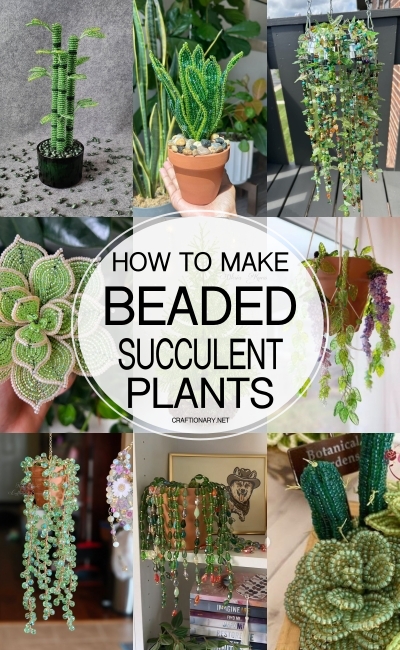
How to Make a Beaded Plant: Step-by-Step Tutorial
Creating a simple beaded plant, often called a “Forever Succulent” requires only a few materials and a dose of creativity.
Essential Supplies You Will Need
Before you begin, gather the following beaded plant materials:
- Seed Beads (sizes 11/0, 8mm, or 6mm) – Green beads are essential for leaves/stems. Use various colors for flowers and detail.
- Floral or Craft Wire (24–28 Gauge for flexibility) – Green wire is best for stems. Use thinner wire (28 gauge) for delicate work, thicker (24 gauge) for stability. Compliment with copper or bronze wire.
- Wire Cutters and Round-Nose Pliers – Essential for cutting wire and shaping the loops/leaves.
- Floral Tape – Green or brown for wrapping stems
- Mini Clay Pot or Container – The vessel for your finished plant.
- Floral Foam, Clay, or Gravel Base – To anchor the beaded stems in the pot.
- Faux Moss, Small Stones, or Extra Beads – For covering the foam base for a realistic finish.
- Hot glue gun (optional) – For securing finished pieces.
- Bead spinner (Optional but useful) – For faster threading, and a small amount of clay or glue to secure the stems inside the pot.
5-Step Basic Trailing Succulent Beaded Plant Method
This is the foundational technique for most beaded succulents and simple plants.
Step 1: Choose Your Design and Prepare Wire Stems
Design: Start with simple plants such as beaded succulents, tulips, or small trees. Look at reference photos to visualize leaf shapes.
Prepare Wire: Cut a piece of craft wire, generally between 10 to 14 inches long. For a fuller look, aim to create at least 10–15 stems.
Step 2: Anchor and Thread the Beads
Anchor: About 3 inches from one end, run the wire through a bead. Loop the short end of the wire back around the bead and twist it tightly to create a small “stop loop”. This prevents the beads from sliding off.
Thread: String your main beads (usually green) onto the longer piece of wire until the beaded section is your desired length (e.g., 3-6 inches). Leave at least 5 inches of wire open at the top.
Step 3: Shape the Leaves
Twist the beaded section into loops or oval shapes to resemble real leaves. You can make multiple leaf pieces for each plant.
Step 4: Secure and Assemble the Plant
Secure the Strand: Loop the open wire end through the very last bead, pull it tight using your round-nose pliers, and secure it by tightly twisting the wire end to the main stem. This creates a secure, flexible beaded wire.
Form branches: Twist together several wire stems to form a branch. Use floral tape to wrap and secure them.
Step 5: Arrange in a Pot
Stick the base of your beaded plant into floral foam or clay inside a small pot. Bend and arrange the stems to resemble a real plant, then cover the base with moss, beads, or small stones for a polished look.
Crafting Tips:
- When working with wire and beads, good lighting makes a world of difference.
- Always start with a small test petal or leaf to check your bead color combinations before building the full stem, it saves time and ensures your beaded plant turns out beautifully balanced.
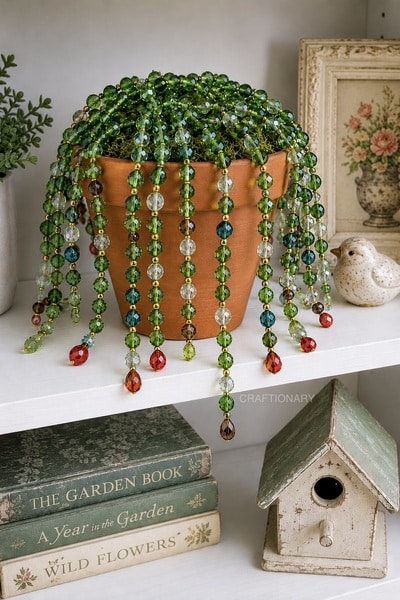
How to Care for Beaded Plants and Keep Them Clean?
Unlike real plants, beaded plants don’t need watering or sunlight—but they do need a little care to keep their shine.
- Dusting – Use a soft brush, microfiber cloth, or even canned air to gently remove dust from tiny beads and wire.
- Moisture control – Avoid spraying with water; moisture can tarnish the wire or loosen the bead color. If needed, lightly wipe with a barely damp cloth and dry right away.
- Sunlight protection – Prolonged direct sunlight may fade colored beads, so place them where light is bright but indirect.
- Safe Storage – When not on display, wrap plants in tissue or bubble wrap and store them upright in a box to prevent the stems from bending.
- Check wires – Over time, wires may loosen; simply twist them back gently to keep the plant looking neat.
Techniques for Making Beaded Plants
Beyond the basic wire-wrapping stem, advanced crafters utilize specialized techniques to create stunningly realistic flora. These are the most common methods for complex designs:
- French Beading Technique: A traditional method where beads are threaded and wrapped around wire loops to create lifelike petals and leaves. Creates realistic, 3D floral shapes like Roses, Daisies, Orchids, Lilies.
- Wire Wrapping and Branching: Used for making trees or complex plants by connecting multiple beaded branches together. Most common technique used for making Succulents (Jade, Echeveria), String of Pearls, and simple stems.
- Layered Beading: Ideal for full-bodied flowers and succulents where each layer of petals or leaves is built separately.
- Bead Weaving (Peyote Stitch): Uses beading thread and a needle to interlock seed beads in intricate, off-loom patterns. Can be shaped into flat or 3D pieces like intricate flowers, geometric succulents, realistic leaves.
Types of Beaded Plants You Must Try to Make
The variety of real-life plants that can be replicated in beads is endless. Succulents and cascading plants are the most popular choices due to their naturally unique, chunky shapes.
Here’s a quick technique to turn any pot into a hanging planter: Make macrame plant holder
Beaded Succulents and Cacti
1. Beaded String of Pearls (Curio rowleyanus):
The most popular beaded plant. It is replicated by stringing small, round green beads onto long, trailing pieces of wire, which are then allowed to cascade over the pot’s edge.
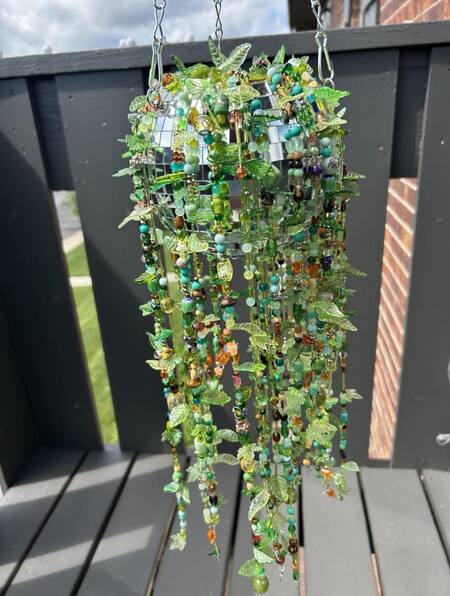
D8-Mike69 on Reddit.
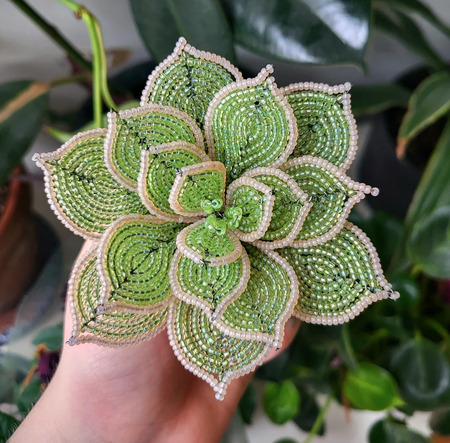
2. Classic French Beaded Cactus Echeveria and Jade:
Created by forming rounder, tightly clustered leaf shapes using the basic wire-looping technique in varying shades of mint and forest green.
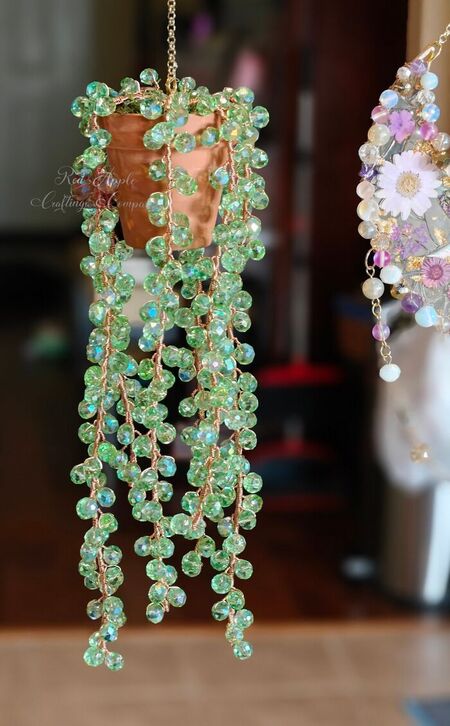
3. Crochet Pot Donkey’s Tail/Burro’s Tail Suncatcher
Made with shorter, plump, bead-covered segments that trail heavily over the side of a hanging planter.
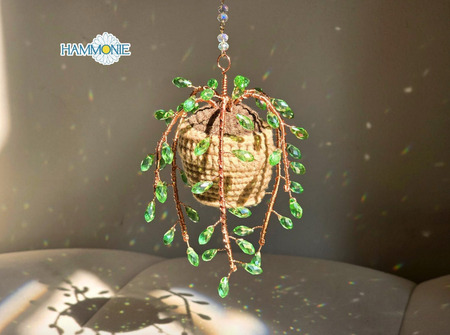
Shop: Hammonie
4. Beaded Cactus Garden
Achieved using larger, irregularly shaped green beads for the body and smaller beads or wire loops for “spines”.
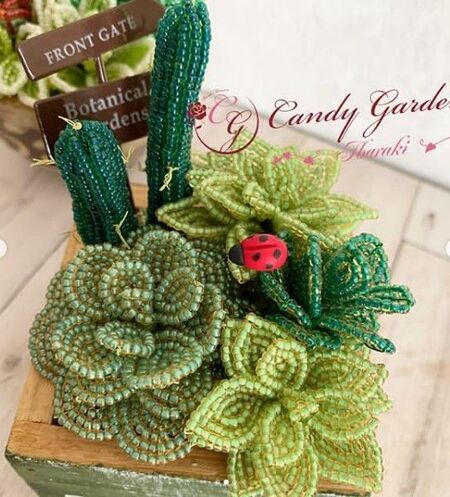
Candy Garden
Beaded Houseplants
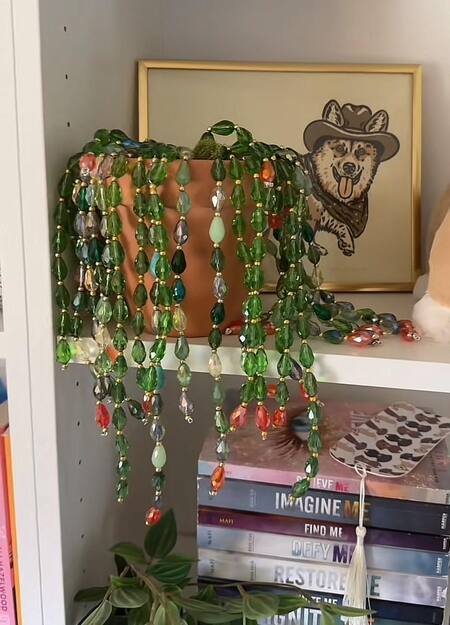
Inspiration is endless. You can make any of your favorite plants using just beads and wire. There are so many types, shades, and forms of beads you can use. Think about using sparkling glass beads, crystals, or even glow in the dark beads for fun. You may display them on a shelf or hang them by the window.
5. String of Hearts Beaded Plant
Cascading heart-shaped green bead lush strands are lightweight.
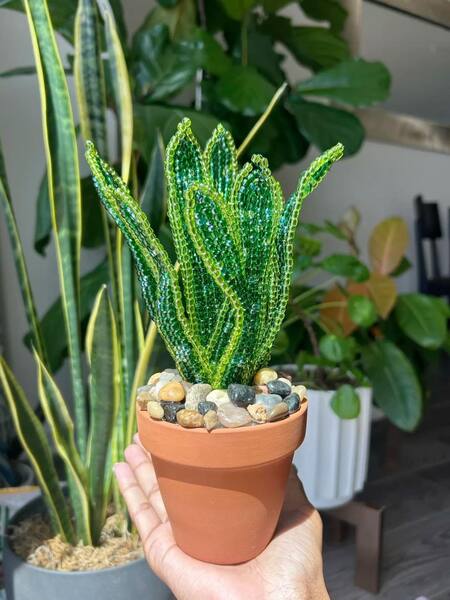
6. Beaded Snake Plant (Sansevieria) or Aloe
Tall striped bead leaves arranged upright in a pot.
7. Beaded Bamboo Plant
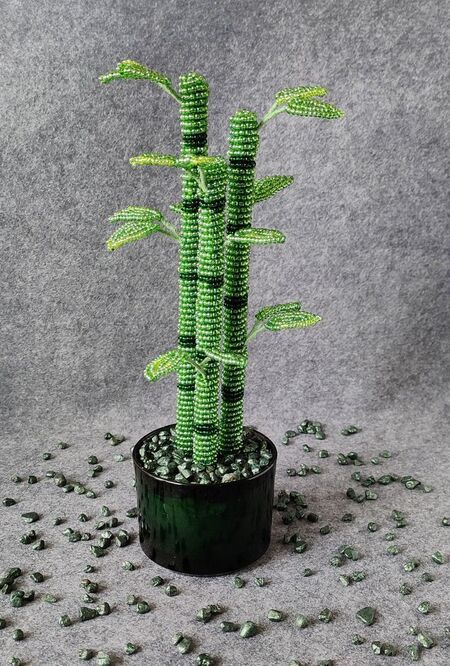
Beaded Unique Tropical Plants and Bonsai Trees
8. Beaded Hanging Trailing Succulent Planter:
Bring a tropical vibe to your space by adding sparkle inside faux glass terrariums.
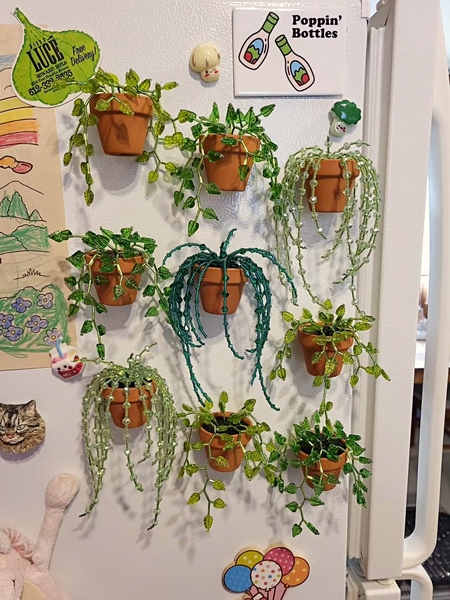
9. Mini Beaded Vines Magnets
Combine different plant types in one pot for a “mini garden” look display on fridge.
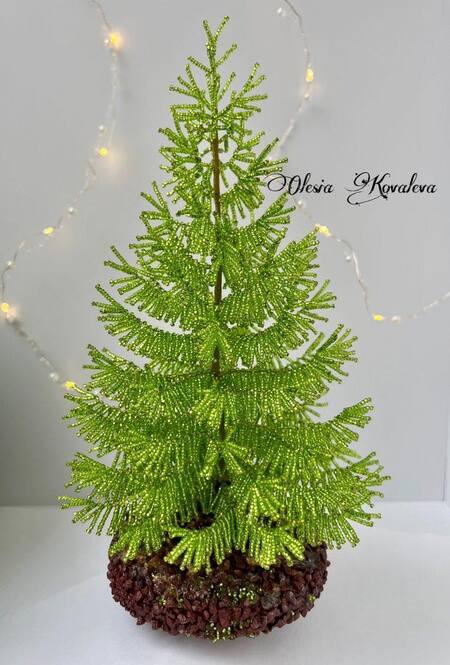
10. Sparkling Beaded Palm or Fern Tree
A glittering little bonsai made from green beads, shaped branch by branch.
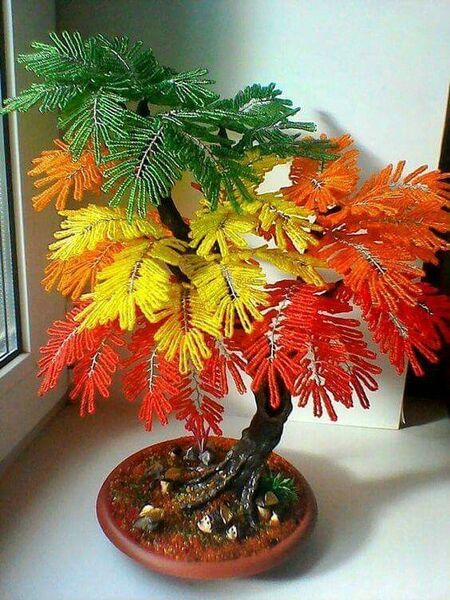
11. Beaded Bonsai Tree
Fall color beads form a tree with natural ombré branches that symbolizes balance and patience.
Beaded Flowers and Wild Blossom Ideas
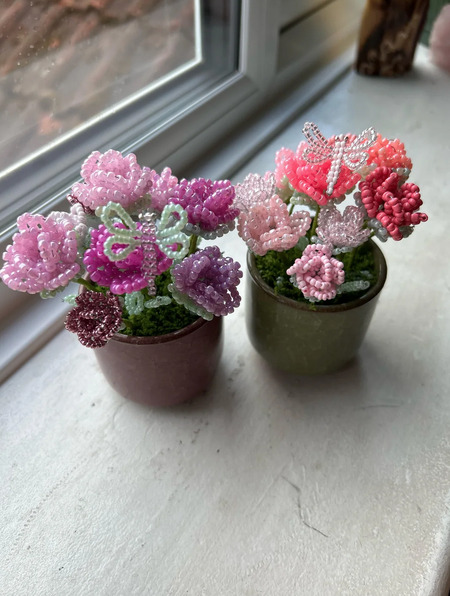
12. Mini Beaded Roses and Daisies:
Often made using the French Beaded Flower technique to build layered, colorful petals.
13. Beaded Lavender Sprigs
Thin wire wrapped with tiny purple and green seed beads to create a delicate, spiky effect.
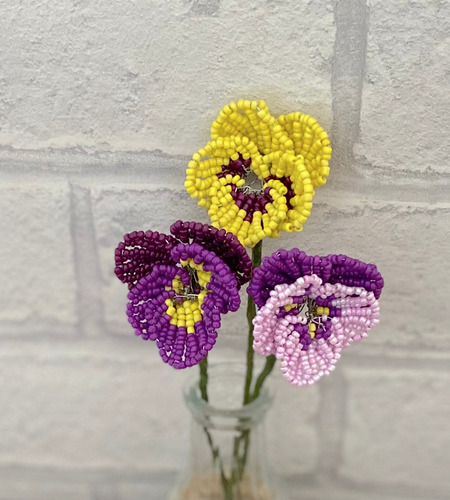
14. Beaded Pansy Flower Kit
Soft, colorful pansies in bead form, bringing cheerful cottage vibes to your desk or windowsill.
Shop: The Beaded Garden UK
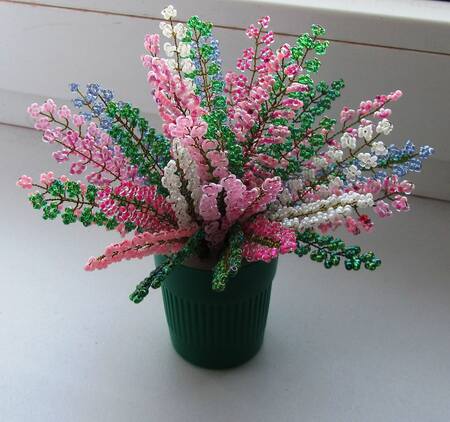
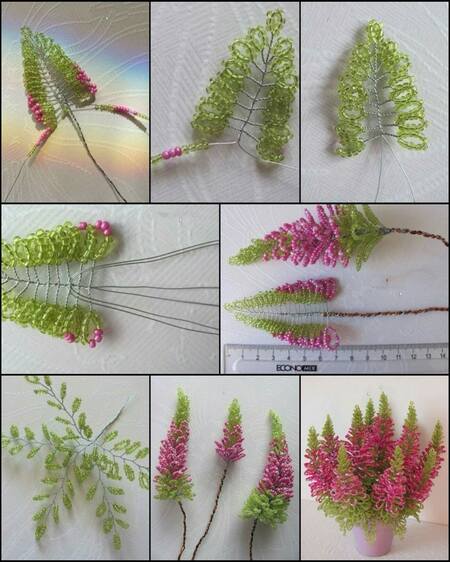
15. Beaded Heather Plant
Pink and green beaded spikes shaped like blooming heather.
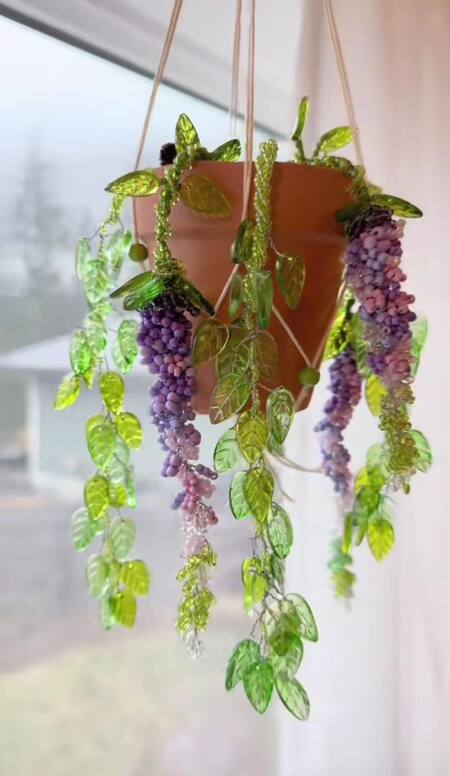
16. Beaded Wisteria
The Power of the “Forever Plant”: Why This Trend is So Popular
The rise of the beaded plant is fueled by practical benefits, emotional connections, and a desire for beautiful, hassle-free decor.
- No Maintenance: They’re perfect for plant lovers without a green thumb. No watering, no sunlight and pet safe.
- Long-Lasting Beauty: Beaded plants are a forever decoration. They don’t wilt, die, or need replacing artificial plants.
- Customizable: Choose any color palette to match your home décor.
- Mindful Crafting: The process is relaxing and therapeutic. The materials are inexpensive and widely available.
- Eco-Friendly and Sentimental Gift: Crafters often use vintage or inherited beads, turning the project into a meaningful keepsake that holds a sentimental value, making it an excellent housewarming or memorial gift.
- Viral Appeal and Aesthetic: They are highly photogenic! The combination of classic terracotta pots with shimmering, sparkling beads catches light beautifully, making them a huge hit as they refract light like suncatchers.
Creative Ideas to Style Your Beaded Plants
- Miniature Planters: Place beaded succulents in teacups or shot glasses.
- Wall Frames: Mount flat beaded flowers inside shadow boxes.
- Beaded Terrariums: Combine multiple beaded plants with faux moss and stones.
- Gift Decorations: Use mini beaded plants as toppers on gift boxes.
- Centerpieces: Create beaded floral arrangements for weddings or holidays.
Common Questions About Beaded Plants
1. What is the best gauge of wire to use for a beaded plant?
Most crafters recommend 24-gauge to 28-gauge floral or craft wire. 26-gauge is a good all-purpose option. Thicker wire (24 gauge) provides more stiffness for heavier beads or tall stems, while thinner wire (28 gauge) is best for delicate petals and intricate loops.
2. How do you make the “soil” look realistic?
There are a few methods:
- Painted Foam: Paint your floral foam base with brown or terra-cotta acrylic paint before inserting the stems.
- Faux Moss: Glue synthetic moss onto the base with white craft glue (like Mod Podge) or hot glue.
- Gravel/Beads: Pour small gravel, sand, or brown/black seed beads over a layer of glue to create a textured, realistic soil effect.
3. How long does it take to make a beaded plant?
A small, simple beaded succulent (like a mini-cactus or a starter String of Pearls) can take 1 to 3 hours for a beginner. Larger or more complex pieces using the French beading technique can take 5 hours or more.
4. Can you use different types of beads?
Absolutely! While small seed beads are the most common for creating the foliage, you can mix in different sizes, shapes (such as floral or crystal beads), and finishes (like glow-in-the-dark or UV-reactive) to add unique texture and shimmer to your designs.
5. What kind of beads work best for making beaded plants?
Seed beads (size 10/0 or 11/0) are ideal for fine detail and realism. Glass seed beads give a beautiful shine.
6. How do you keep beaded plants from tarnishing?
Keep them dust-free and avoid moisture. Store them under a glass dome or in a display cabinet for longevity.
Making beaded plants is more than a craft—it’s a creative meditation that brings beauty and color into your space. From delicate beaded roses to intricate bonsai trees, these creations last a lifetime and make thoughtful handmade gifts.
With patience, a few materials, and your imagination, you can turn tiny beads into living art that never fades.
Drafted by: Sabah Waqas
Written by: Hani Shabbir
You will also like:
50 Bead Embroidery Kits and Ideas