This post may contain affiliate links. Please see our full Disclosure Policy for details.
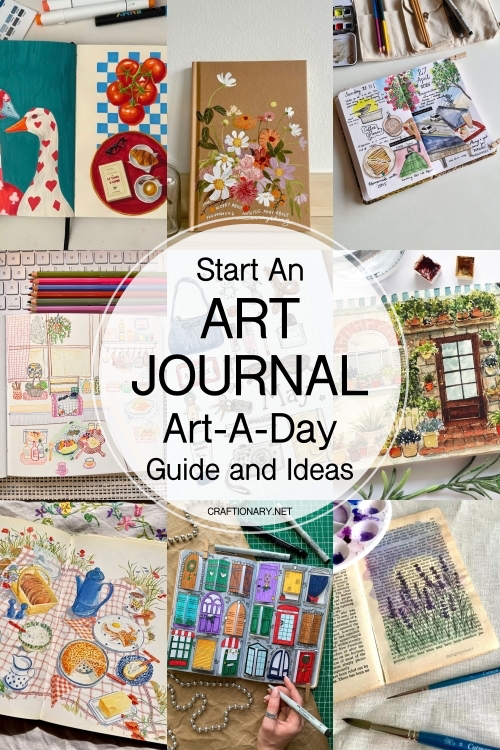
Art journaling is a creative practice that combines visual art and personal expression inside a journal or sketchbook. Unlike traditional journaling, which focuses on writing, an art journal includes painting, drawing, collage, lettering, texture, and mixed media to express thoughts, emotions, ideas, and daily life.
There are no rules. Your art journal can be messy, minimal, colorful, emotional, abstract, or structured. It is a safe space to experiment and grow creatively. It’s both a hobby and a powerful personal development tool.
Art journaling has many benefits from mindfulness to skill development. The idea combines low-pressure creative self-expression with daily art practice which is ideal if you feel inspiration blocks or inspire to create therapeutic art with art-a-day challenge.
Want to join our monthly challenge as a break from digital overload with a structured but flexible art routine? Find the prompts at the end of this article to develop a creative habit and reduce stress of ideas everyday.
Types of Art Journals
There are various types of art journals. The most popular formats are listed below:
- Mixed Media Art Journal: As the name suggests you can use a variety of mediums to paint like acrylic paints, watercolors, markers, and found materials.
- Collage Art Journal: Collect and stick magazine clippings, printed photographs, tissue paper, and other stuff on journal pages for brainstorming ideas.
- Visual Diary: Daily notes of observations, sketches, and short written remarks. It is more organized than a typical art journal and more like a traditional diary with graphics.
- Prompt-Based Journal: A prompt-based journal is best for beginners who find blank pages overwhelming. You can use questions, clues, or themes to inspire daily writing to develop self-discovery, creativity, and consistent habits.
- Art-a-Day Journal: Make a commitment to create one page per day for a period of time like 30 days or a year. Promotes a creative habit by regular practice, independent of time or quality.
How to Start Art Journaling (Beginner Step-by-Step Guide)
Follow this simple process.
1. Choose Your Journal
Some options include:
- Mixed media sketchbook (best for paint and collage)
- Watercolor journal
- Thick-paper notebook
- Handmade journal
- Old book (altered book journal)
Look for:
- 160–300 gsm paper if using paint
- Lay-flat binding for ease of use
- Neutral or white paper (unless you prefer toned paper)
2. Gather Basic Supplies
You don’t need expensive materials. Start with:
- Acrylic paint – Opaque, fast drying, and good for layering.
- Watercolors – Transparent, softer effect, and needs thicker paper.
- Colored pencils
- Markers
- Glue stick
- Old magazines for collage
- Scissors
- Black fineliner pens or posca markers
- Gesso (for sealing and layering) – Seals the page, prevents warping, creates texture, and allows layering.
Optional upgrades:
- Texture paste
- Stencils
- Washi tape
- Gel pens
- Brush pens
- Ink stamps
3. Break the Blank Page Fear
Most beginners struggle with:
- I don’t know what to draw.
- It won’t look good.
- I’m not creative.
Start by: Perfection is not the goal. Consistency is.
- Painting the entire page one color.
- Adding messy brush strokes.
- Gluing random paper scraps.
- Writing one sentence.
How to Keep an Art-a-Day Journal Without Burning Out
Here’s how to make it sustainable:
- Set a Time Limit: Commit to 10–20 minutes daily instead of finish a masterpiece.
- Rotate Simple Prompts: Don’t invent ideas daily. Use structured themes.
- Accept Imperfection: Some pages will be amazing. Some will be messy. That’s growth.
- Use a Theme Month: Examples: Emotions month, Color exploration month, Nature month, Pattern month, Memory month
Related: How to Start Doodle-a-Day Journaling: 30 Easy Doodling Ideas
50 Creative Art-a-Day Journal Ideas
These inspirations are great to work as art-a-day challenges as well as a weekly or monthly theme that you can build on by working 10-15 minutes every day based on your schedule:
1. Emotional and Reflective Prompts
- Paint your current mood as a color blend (you can also choose to write your feelings)
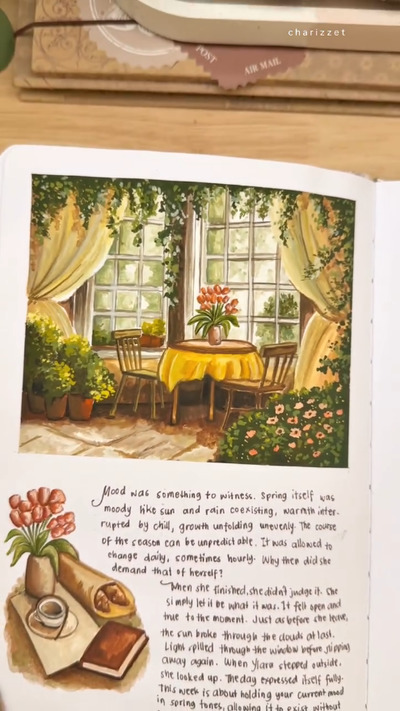
Charizzet
- Create a page titled: What I Need Right Now
- Visualize your anxiety as a shape
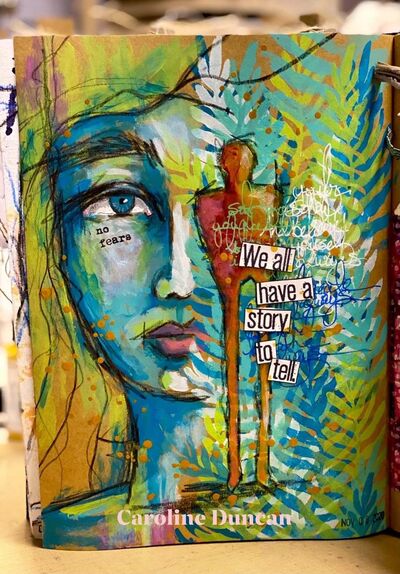
Caroline Duncan
- Paint your comfort place
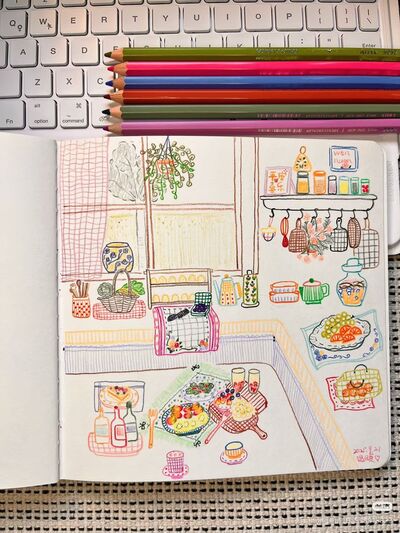
- Write a letter to your future self with illustrations
- Draw your energy level as weather
- Collage words that describe your personality
- Paint your favorite memory using only 3 colors
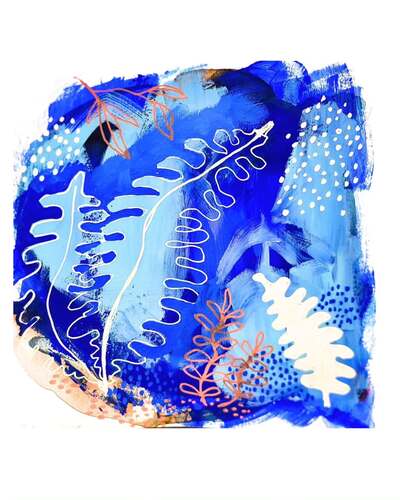
Susanne Rose Art
- Create a release page — tear and layer paper
- Visualize growth using plant imagery
- Stencil painted and outline with marker
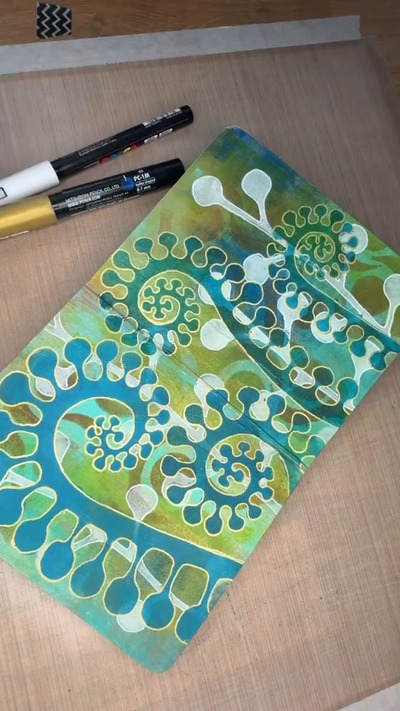
FMD Designs
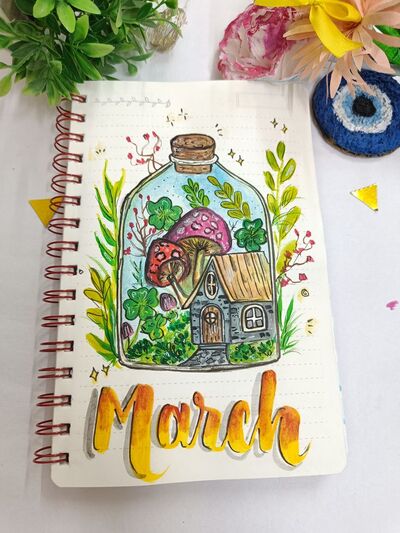
- Month journal – a world in a jar continue building by adding to a page everyday
2. Color and Technique Exploration
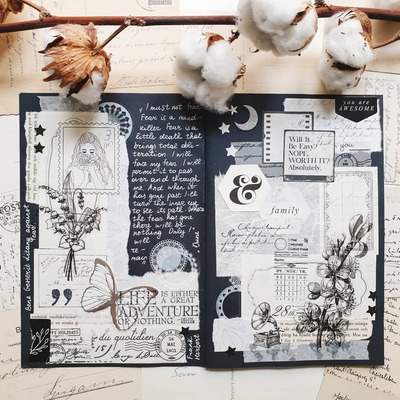
- Monochrome page challenge
julia.s_journals
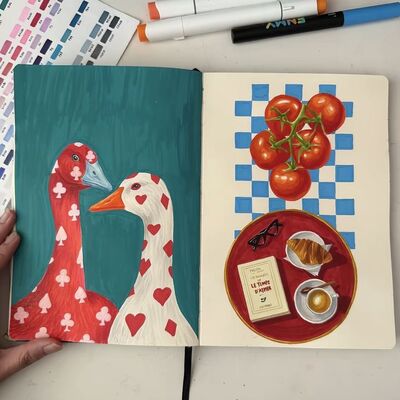
- Create a page using only warm colors
- Try abstract brush strokes
- Finger-painting experiment
- Paint with an old credit card
- Texture layering with tissue paper
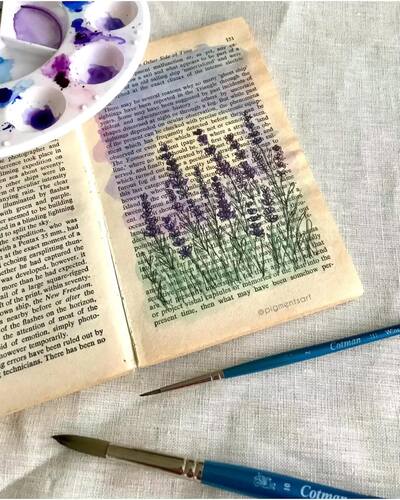
- Watercolor + ink combination
- Negative space art page
- Ombre background exploration
- Metallic accents journal page
3. Mixed Media and Collage Ideas
- Magazine word collage
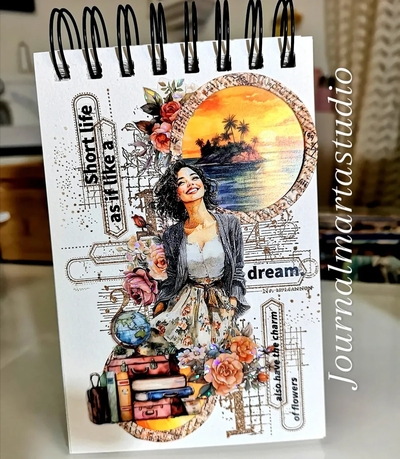
journalmartastudio
- Create a vision board mini spread
- Vintage paper aesthetic page
- Map collage artwork
- Use receipts from your week
- Fashion-inspired mood board
- Botanical cutout collage
- Create layered transparency effects
- Newspaper + acrylic experiment
- Quote typography collage page
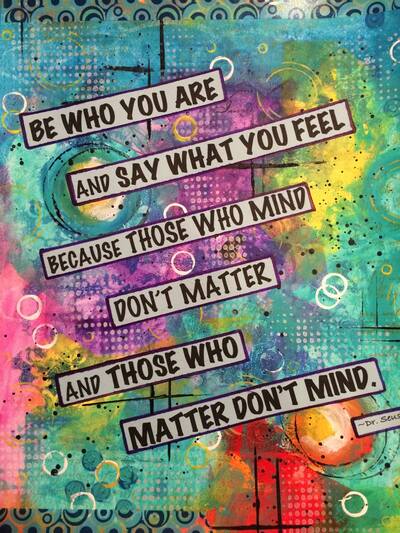
M.Zemore
4. Skill-Building Pages
- Daily sketch painting practice
- Hand lettering art page
- One word focus page
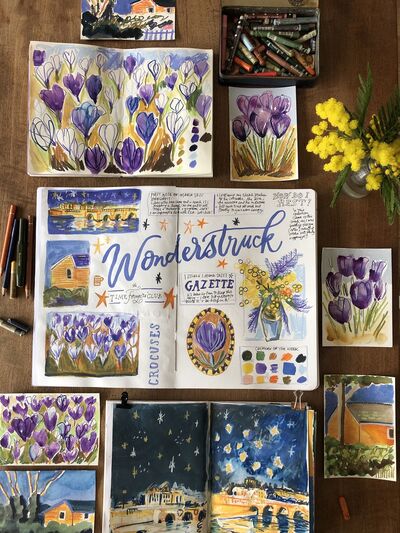
Helen C Stark
- 10 small doodles challenge
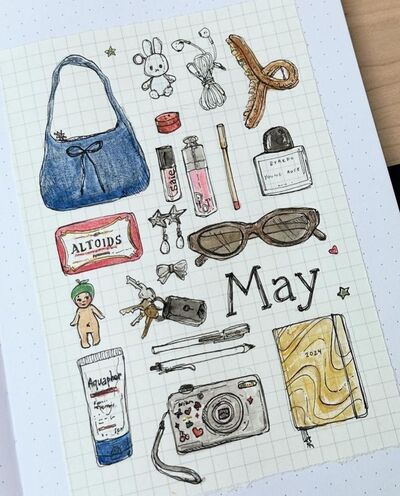
- Facial expression study
- Pattern repetition exercise
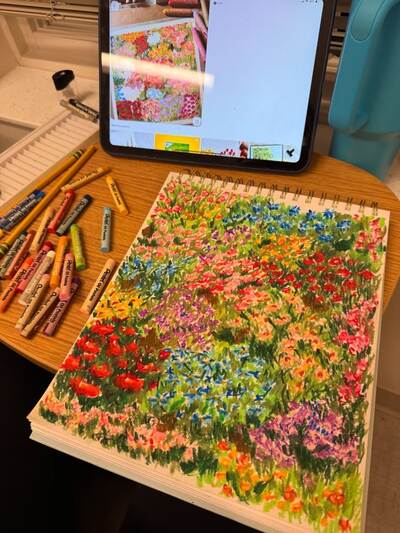
- One object from your room
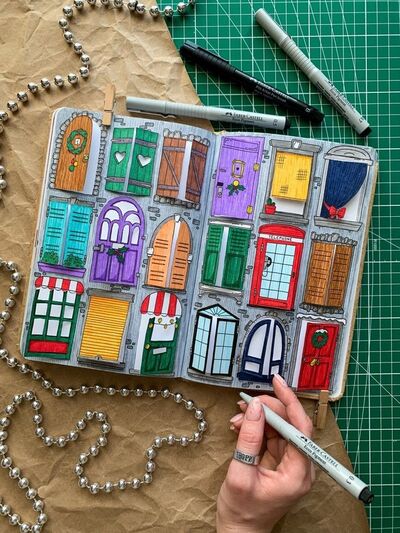
- Shadow study
- Blind contour drawing
- 5-minute timed sketch or page challenge
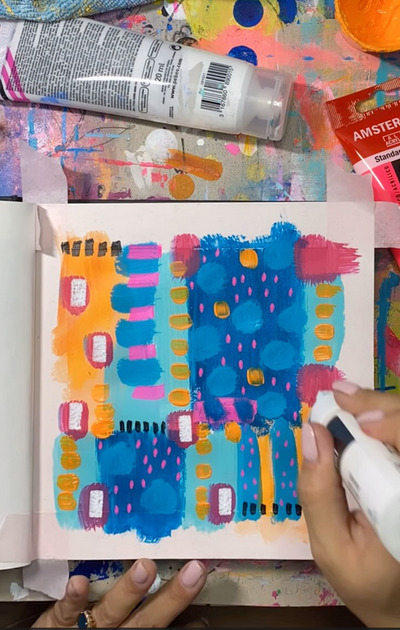
Norma Chung Art
- Minimalist line art page
5. Fun and Playful Themes
- Draw your dream house
- Create a fantasy landscape
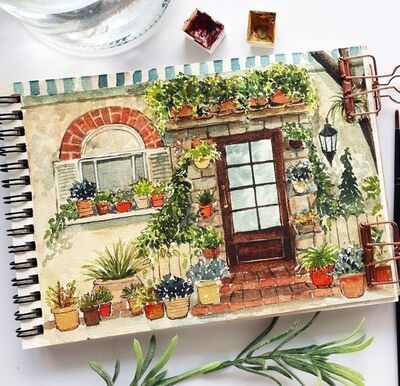
- Paint your zodiac aesthetic
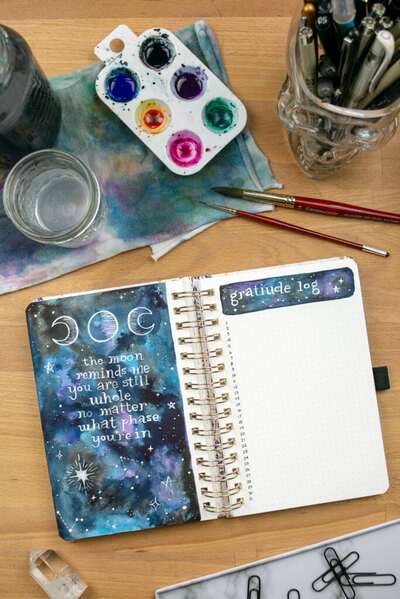
Little Coffee Fox
- Design your own art journal cover
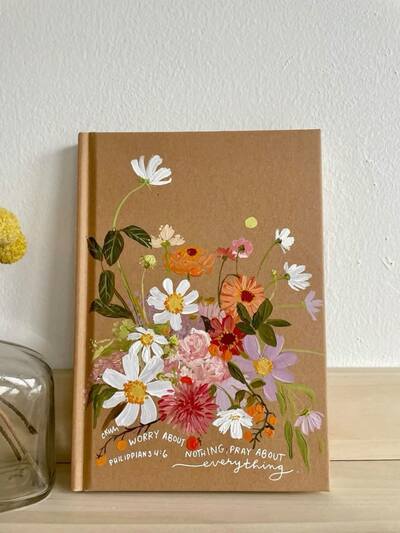
Mayara Rodrigues
- Food illustration page
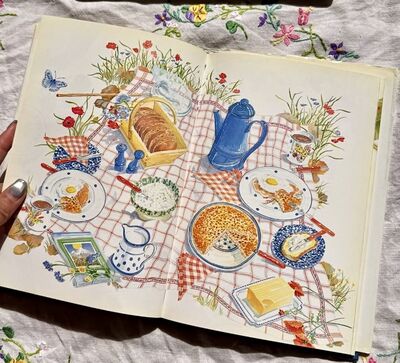
- Seasonal mood spread
- Things I Love visual list
- Create a sticker-style page
- Draw your week in symbols or a day in your life
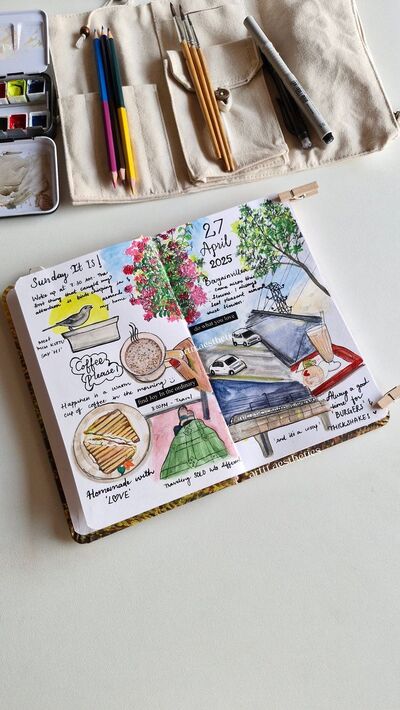
arttt.aesthetics
- Paint abstract music inspiration
- Botanical theme journal with a-flower-a-day painting for a month
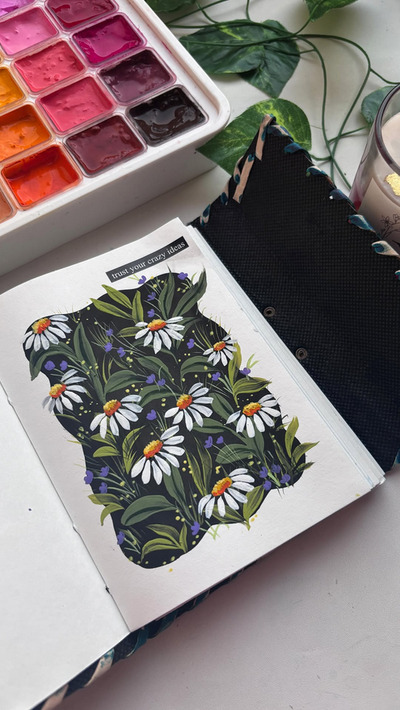
coloured strokes by Anjali
Art Journaling for Mental Health and Mindfulness
While it’s not a replacement for professional therapy, research in creative expression shows that visual journaling can:
- Reduce stress
- Improve emotional awareness
- Encourage reflection
- Improve focus
- Support identity development
Practices that help:
- Slow brush strokes
- Repetitive patterns
- Mindful color blending
- Writing affirmations
- Reflective prompts
Common Questions About Art Journaling
1. What Do You Put in an Art Journal?
You can include:
- Paint
- Collage
- Quotes
- Doodles
- Sketches
- Photos
- Tickets
- Pressed flowers
- Personal reflections
2. How Often Should You Art Journal?
Consistency matters more than frequency. Even 2–3 times per week builds progress.
3. What’s the Difference Between a Sketchbook and an Art Journal?
- Sketchbook: Skill practice and technical focus.
- Art journal: Emotional and creative expression and mixed media experimentation.
4. How to Stay Inspired Long Term?
Creative burnout is common. Here’s how to prevent it:
- Join an art journal challenge
- Follow monthly prompt lists
- Create a themed journal
- Switch mediums
- Limit color palettes
- Revisit old pages and improve them
Remember: Growth is visible when you look back.
Creating a Structured 30-Day Art Journal Challenge
Here’s a simple framework you can use:
| WEEK | THEME |
| 1 | Color Exploration |
| 2 | Emotion and Reflection |
| 3 | Skill Building |
| 4 | Creative Freedom |
Example Pages: One quote page, One collage page, One abstract page, or One reflection page for instance.
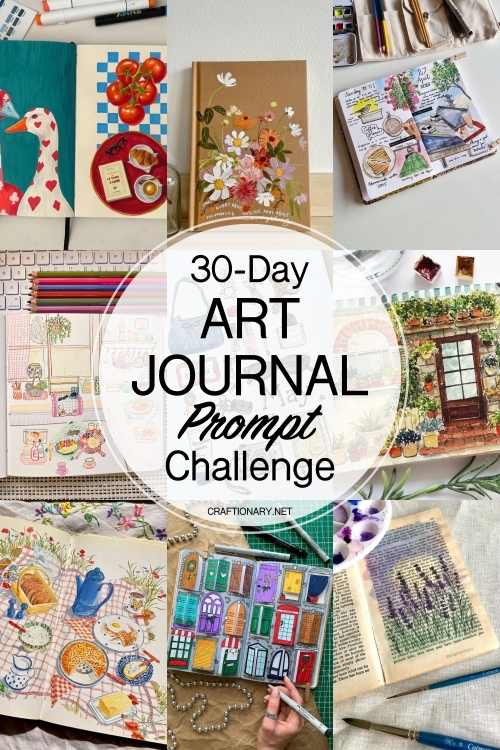
30-Day Art Journal Prompt Challenge
Week 1: Observation and Presence
Focus on noticing small details in your everyday life.
- Draw or paint something on your desk right now.
- Create a page using only circles.
- Sketch your favorite plant or flower.
- Illustrate today’s weather using colors instead of words.
- Draw your morning drink in detail.
- Fill a page with tiny repeated patterns like meditative doodling.
- Create a gratitude page with 5 illustrated things you’re thankful for.
Week 2: Emotion and Self-Expression
Let your feelings guide your materials and color choices.
- Paint your current mood as an abstract color blend.
- Draw your safe place (can be real or imagined).
- Use only black and white to express contrast in your life.
- Create a page titled Things I’m Growing Through.
- Draw hands holding something symbolic.
- Use messy brush strokes intentionally.
- Make a collage page from scrapbook scraps that represents you.
Week 3: Nature and Texture
Perfect if you enjoy floral themes and mindful detailing.
- Paint a close-up of petals.
- Create leaf rubbings or drawn botanical studies.
- Draw birds in simple silhouette forms.
- Paint a tiny garden scene.
- Use earthy colors only (brown, green, muted tones).
- Draw flowing water or waves.
- Create a page inspired by something from your inspiration scrapbook.
Week 4: Imagination and Growth
Push creativity gently while staying playful.
- Invent a new flower species.
- Draw a doorway — what’s behind it?
- Create a word of the month typography page.
- Paint with your non-dominant hand.
- Make a mini comic about your day.
- Create a monochrome page (one color, different shades).
- Fill a page with tiny hearts, stars, or symbolic shapes.
- Recreate one of your old pages — but improve it.
- Create a reflection spread — what did you learn this month?
Mindfulness Add-Ons
For deeper reflection if you enjoy journaling for meditation:
- Write one sentence at the bottom of each page.
- Set a 15-minute timer — stop when it ends.
- Light music, no phone notifications.
- Date every page for progress tracking.
Turning Art Journaling Into Creative Growth
- Art journaling helps you:
- Build discipline
- Develop style
- Experiment freely
- Track artistic evolution
- Build confidence
Over time, patterns emerge:
- Favorite colors
- Preferred mediums
- Recurring themes
- That’s your artistic identity forming.
Why Art Journaling Is Worth Starting Today
Start small. Stay consistent. Stay imperfect. Art journaling is not about perfection. It’s about expression, showing up, and growth. One page at a time.
Drafted by: Alveena Nazir
Edited by: Hani Shabbir
You will also like:
How to Start Doodle-a-Day Journaling: 30 Easy Doodling Ideas
Beginner’s Guide: Embroidery Journaling Your Threaded Story
How to Host a Virtual Craft Night? Free Printable Planner and Ideas